Category

Skeleton article title placeholder text spanning two or three lines while the content loads from the CMS


Volodymyr Zelensky has enough to worry about heading into a fifth winter of war. Sunday night in Germany gave him one more reason.
Volodymyr Zelensky has enough to worry about heading into a fifth winter of war. Sunday night in Germany gave him one more reason. Friedrich Merz, the chancellor who so far is the staunchest ally of Ukraine, now finds himself fighting for his own political survival rather than for Ukraine's air defenses. For a country that depends on Berlin's willingness to keep spending and supplying, a paralyzed German government must be of utmost concern. It is a direct threat to the predictability Ukraine needs from its most important European backer.
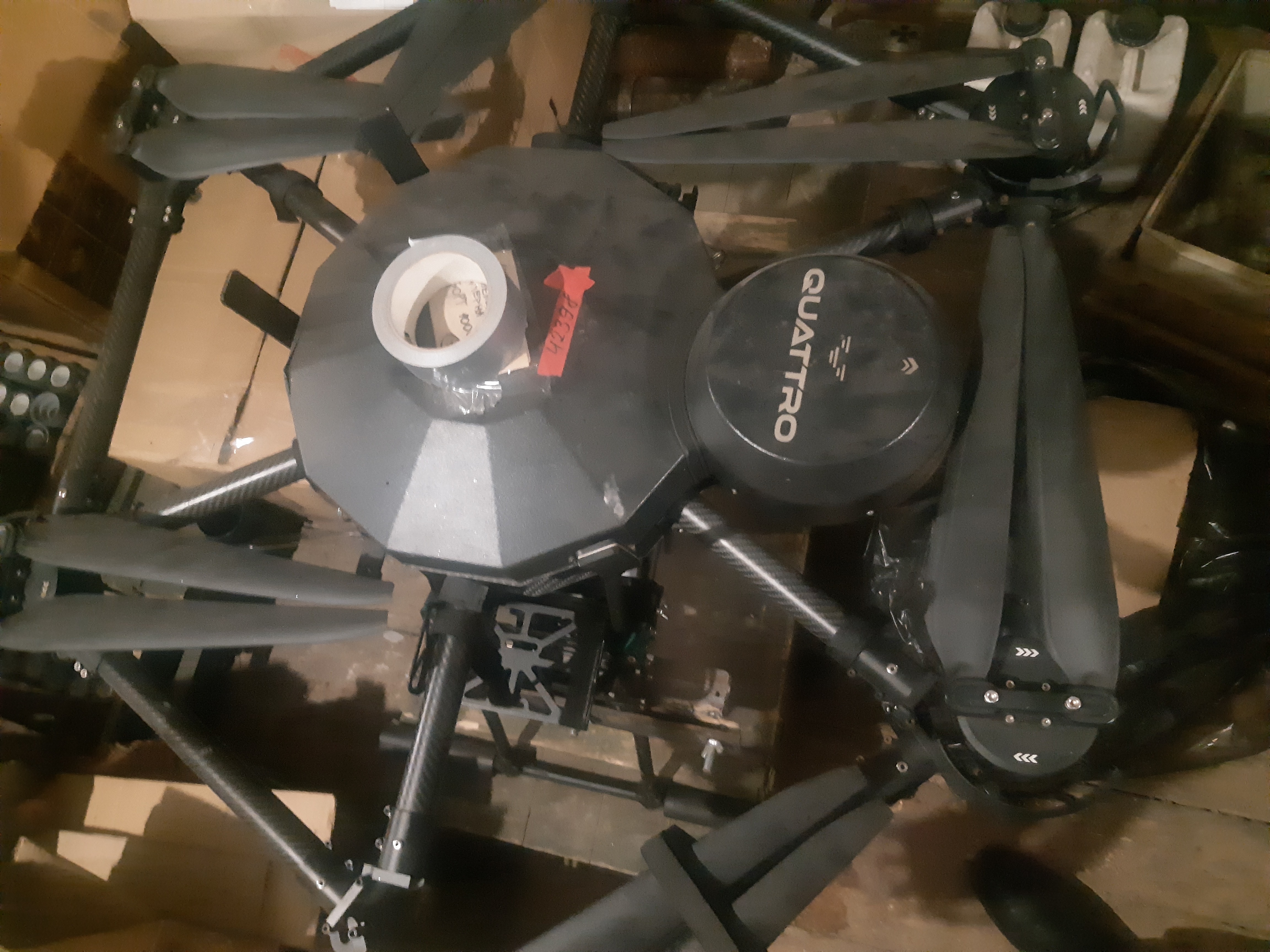
For the people of the Baltics, this should register even closer to home. Germany leads NATO's forward brigade in Lithuania, one of the alliance's most visible commitments to the security in this region. This part of the Eastern flank is seeing a steady rise in Russian drone incursions and other military activity. Only recently Germany announced that it will supply Ukraine with PAC-2 interceptor missiles for the Patriot air defence systems. The ammunition will be handed over directly from the Bundeswehr's stocks — and to a certain degree at the expense of Germany's own defense.
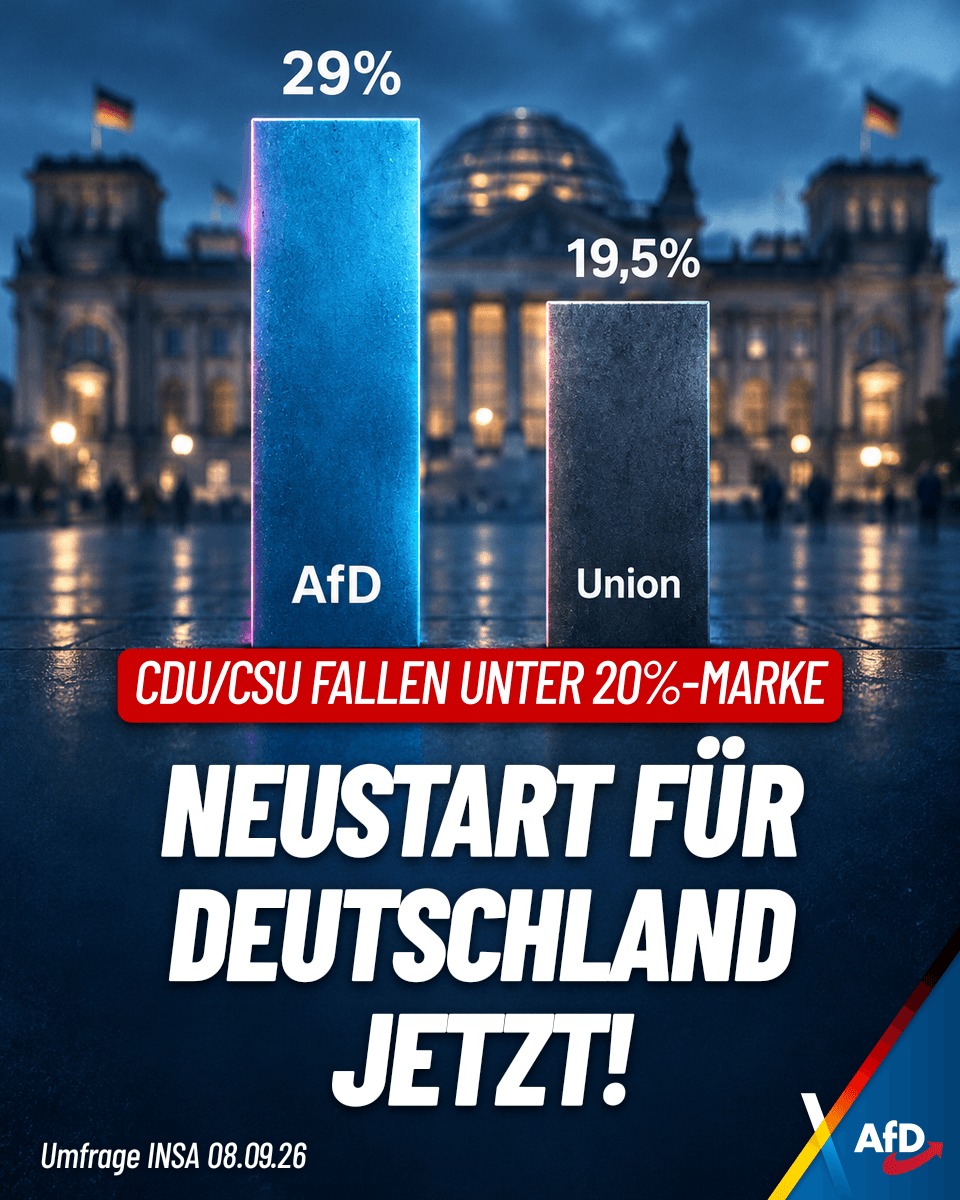
The results that triggered this are genuinely severe. In Mecklenburg-Vorpommern, the CDU failed to enter the state parliament, a historic first for the party since the Second World War. In Berlin, any hope of getting some relief evaporated as the party slid below 20 percent, handing the capital's strongest-party status to Die Linke, The Far Left, which gained roughly 25 percent overall and dominated among voters under the age of 35. Coming barely two weeks after the AfD's landslide victory in Saxony-Anhalt, this was confirmation that the erosion under Merz is accelerating and not yet reached its peak.
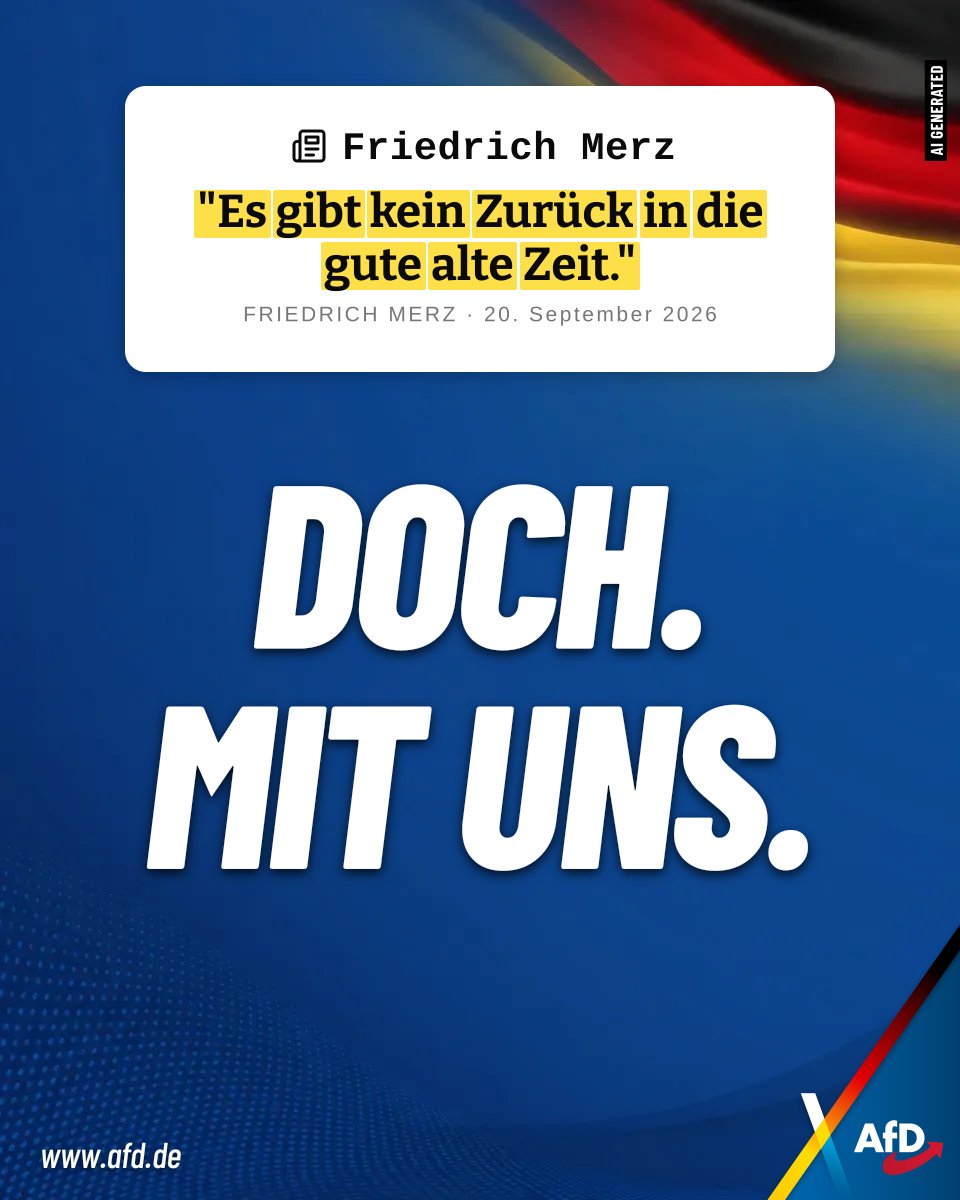
What makes this especially dangerous for Ukraine is the arithmetic emerging from these results. Both the AfD, now the largest force in one German state, and Die Linke, now dominant in the capital, are openly hostile to Germany's Ukraine policy. Both favor normalizing relations with Moscow and reopening the door to cheap Russian gas. Neither party is anywhere near power on a federal level, but their combined electoral weight signals something real: a shrinking domestic coalition for the kind of sustained military and financial support Kyiv needs to survive.
Both favor normalizing relations with Moscow and reopening the door to cheap Russian gas.
Merz's own position has been badly weakened by all of this, and not only symbolically. A chancellor fighting to hold his own party together has far less capital clout to force through unpopular defense-spending increases. His Social Democratic coalition partners, themselves struggling with their own collapse in Berlin, are unlikely to make his path easier. The Social Democrats have never been a stable ally when it comes to pushing through painful reforms — even less now. They fear going down together with the CDU and will very likely put the brakes on any new cuts to the welfare system.
None of this means German support for Ukraine collapses overnight, or that NATO's Baltic posture suddenly weakens. Institutions move more slowly than election-night headlines suggest. Merz may yet ride this out. But the question is: For how long?