Category

Skeleton article title placeholder text spanning two or three lines while the content loads from the CMS


US president Donald Trump has called the deal, struck just days ago, "historic" agreement and the "biggest oil deal in world history."
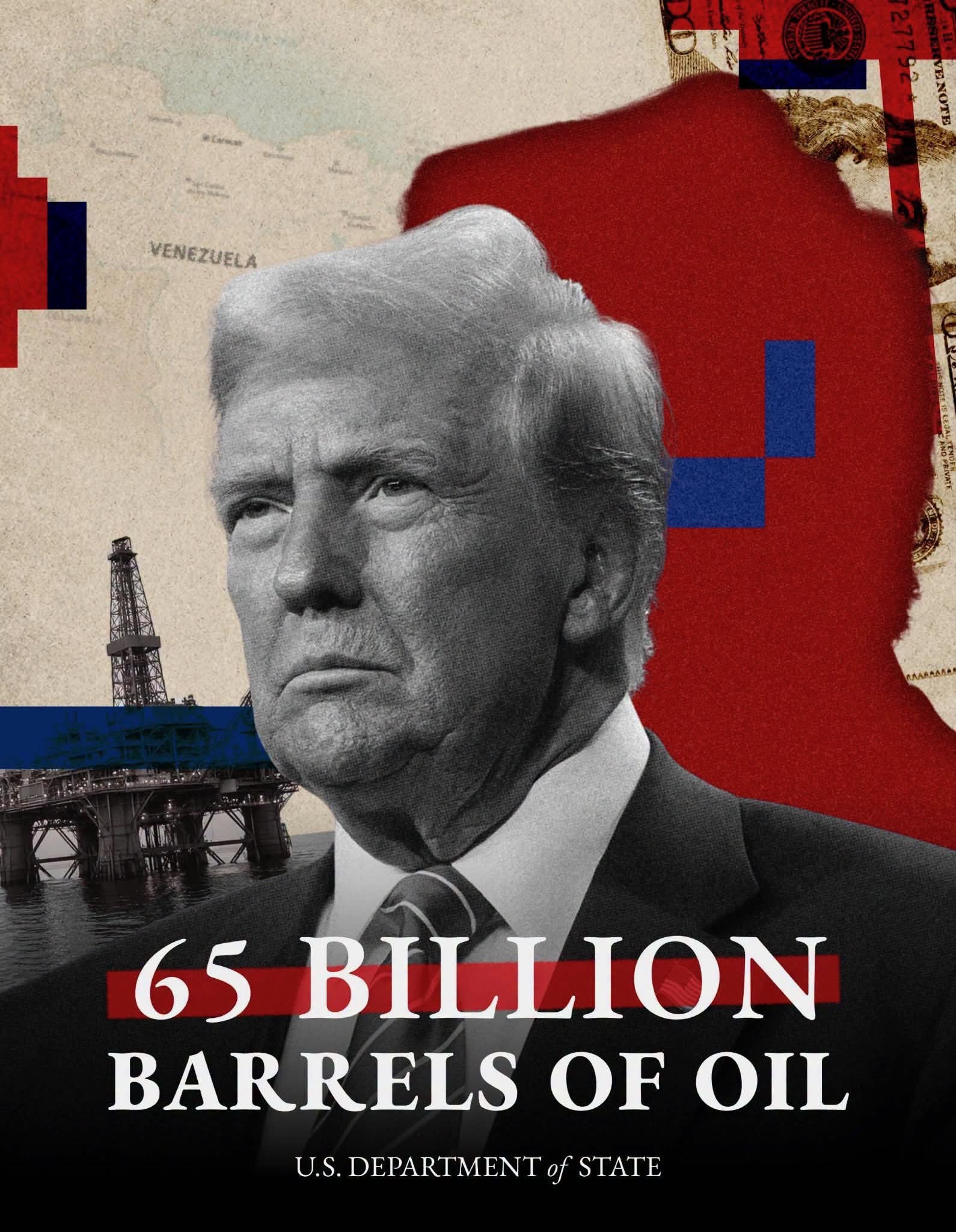
US president Donald Trump has called the deal, struck just days ago, "historic" agreement and the "biggest oil deal in world history." The numbers are extraordinary: Washington says U.S. companies will gain access to 17 Venezuelan oil fields containing more than 65 billion barrels of reserves, while private investment could reach roughly $100 billion and generate more than $209 billion in tax revenues for Caracas. Yet the strategic significance of the agreement may have less to do with the size of the oil reserves than with what Washington does with the leverage that comes with them.
For Venezuelans who supported the Trump administration's January 3 operation that removed Nicolás Maduro, the expectation was never simply that Venezuela would produce more oil. The operation was presented as the beginning of a new political chapter. For María Corina Machado and much of the democratic opposition, the hope was that Maduro's removal would create space for Venezuelans to rebuild democratic institutions and determine their country's political future.
That expectation now faces a difficult test.
The United States is moving rapidly toward an economic relationship with the government of Delcy Rodríguez, while the political questions that defined Venezuela's crisis — political prisoners, political freedoms, freedom of expression and credible elections — remain unresolved. Negotiations between the government and opposition have offered a possible channel for political transition, but their results remain limited.
The problem, therefore, is not that Washington wants American companies back in Venezuela. It should. Venezuela desperately needs capital, technology and expertise to rebuild an oil industry damaged by years of mismanagement, expropriation and institutional collapse.
The problem is the sequence.
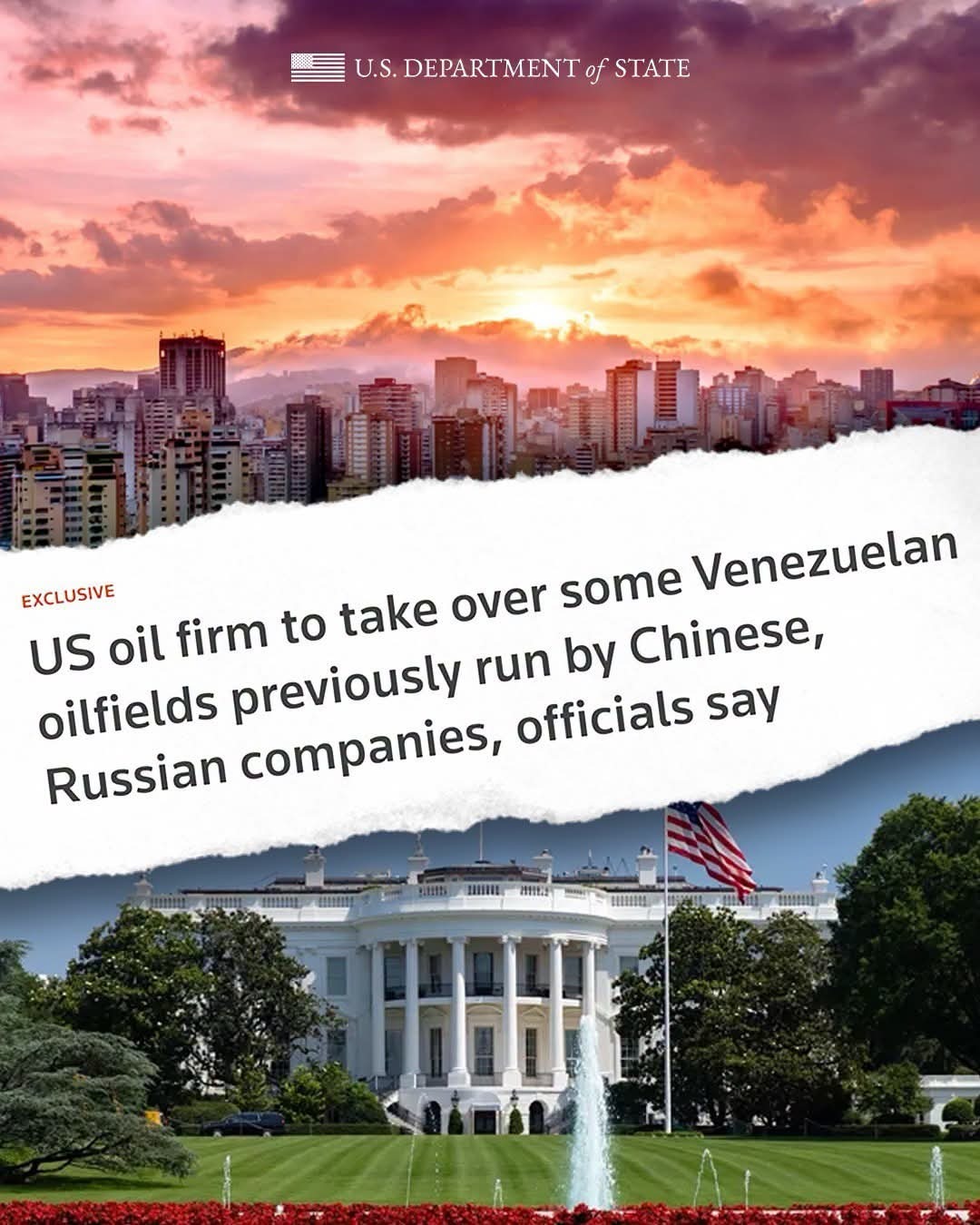
Trump spent much of this year urging American energy companies to return to Venezuela. But presidential pressure cannot eliminate the central concern of private investors: legal and political risk.
Venezuela has a long record of expropriating foreign assets and changing the terms under which international companies operate. ExxonMobil and ConocoPhillips were among the companies whose Venezuelan assets were expropriated during the Chávez era, producing years of international arbitration and billions of dollars in claims.
That history explains why the administration has struggled to persuade major oil companies to commit the scale of capital it initially sought. The problem has never been a lack of oil. It has been the absence of confidence that contracts, property rights and investment rules will survive political change.
That distinction matters because a presidential guarantee is not the same thing as institutional certainty.
The new agreement may provide a mechanism for overcoming some of that hesitation, but the durability of the arrangement will ultimately depend on the legal framework surrounding it. Investors committing capital over decades need more than the protection of the administration currently in power in Washington. They need confidence that Venezuela itself will become a predictable jurisdiction.
This creates a paradox at the center of the deal.
Washington is attempting to use American capital to rebuild Venezuela's oil sector precisely because Venezuelan institutions have historically failed to provide investors with sufficient security. But if American political power becomes the principal guarantee behind those investments, rather than durable Venezuelan institutions, the agreement may solve the immediate investment problem without solving the underlying one.
The larger concern is political.
After January 3, Trump and Secretary of State Marco Rubio enjoyed significant goodwill among Venezuelans who had spent years opposing Maduro. For many of them, Washington's intervention represented not simply the removal of one authoritarian leader, but the possibility of a democratic transition.
That created an implicit political bargain.
If the United States was willing to use extraordinary power to remove Maduro, Venezuelans expected that Washington would also use its leverage to secure the conditions for political normalization: the release of political prisoners, protection of political freedoms, freedom of expression and a credible path toward elections.
The oil agreement risks reversing that order of priorities.
Washington is now prepared to negotiate the future of Venezuela's most valuable economic asset with Delcy Rodríguez's government while the political architecture of the transition remains unsettled.
That does not make the agreement illegitimate. Economic reconstruction and political transition do not have to occur sequentially. In fact, Venezuela will need economic recovery to sustain a democratic transition.
But the relationship between the two matters enormously.
If oil investment becomes normalized before political reform becomes credible, Washington may inadvertently strengthen the existing political structure rather than use economic engagement to transform it.
The question for the administration is therefore not whether it should invest in Venezuela.
It is whether economic normalization will be used as leverage for political transformation — or whether political transformation will become something Washington expects to happen later.
This is where the agreement carries a risk that cannot be measured in barrels or dollars.
For decades, Chavist governments argued that Washington's interest in Venezuela was ultimately about oil rather than democracy. Venezuelan democrats repeatedly rejected that argument, even while supporting closer relations with the United States.
Many of those same people now have to reconcile that history with Washington's new arrangement.
For Venezuelans who supported January 3 because they believed it represented the beginning of a democratic transition, the optics are difficult: Washington has moved rapidly to establish the framework for American access to Venezuelan oil, while political prisoners remain, democratic institutions remain contested, and the opposition's role in the transition remains uncertain.
Whether that interpretation is fair is not the only question that matters.
Political strategy depends on credibility as much as on intent.
If Venezuelans conclude that Washington was prepared to remove Maduro but not to insist on meaningful political concessions from his successors, the United States may lose precisely the political capital that made its intervention so consequential in the first place.
That is why reports of former Trump supporters among Venezuelans accusing the administration of betrayal should not be dismissed as an emotional reaction. They are a warning about the credibility of U.S. policy.
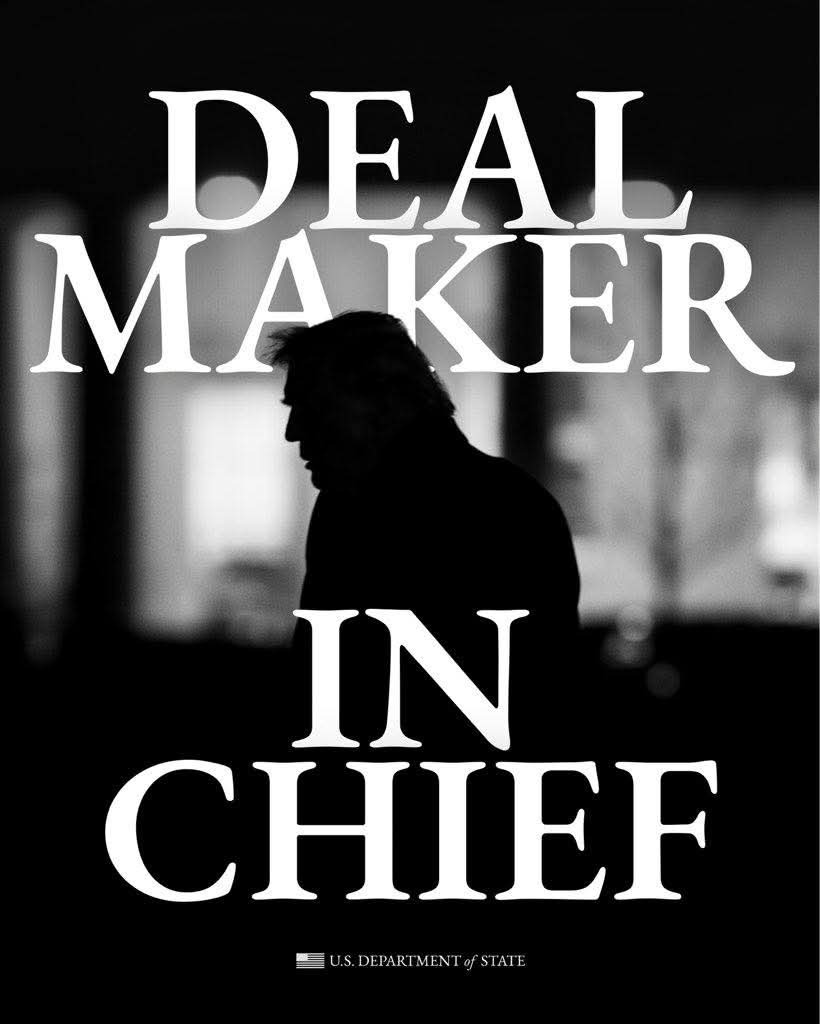
The agreement also creates an opening for U.S. Democrats, many of whom were skeptical of Trump's Venezuela policy from the beginning.
The administration can argue that its strategy is about national security, energy security, dismantling hostile networks and stabilizing the Western Hemisphere. Those are legitimate objectives.
But the oil agreement makes another interpretation considerably easier.
Democrats can now argue that Trump used military power to reshape Venezuela and then moved quickly to secure American access to its oil resources, while democratic reform remained unresolved.
That argument does not establish that the agreement is wrong. It does, however, provide a politically powerful narrative at home and a potentially damaging one abroad.
For Rubio in particular, the stakes are significant. His Venezuela policy has long been associated with opposition to authoritarianism and support for democratic forces in Latin America. If Washington appears to normalize its economic relationship with the Venezuelan state without securing meaningful political concessions, opponents can portray the administration's strategy as having shifted from democratic transformation to transactional accommodation.
That perception would be difficult to reverse.
The agreement does not have to produce that outcome.
The United States has acquired something extremely valuable: enormous economic leverage over Venezuela.
That leverage should not be treated simply as a commercial opportunity.
Washington can use American investment, access to technology, financial integration and the reopening of Venezuela's energy sector to encourage institutional reforms that reduce political and investment risk. Transparent contracts, protection of property rights, judicial independence, political freedoms and a credible electoral process would not merely benefit Venezuelan democracy. They would also make Venezuela a more attractive destination for long-term American capital.
This is the key opportunity the administration should not miss.
The United States does not need to choose between Venezuelan oil and Venezuelan democracy. It can make access to American capital part of the architecture supporting both.
That would also answer the investment problem that has frustrated Washington throughout the year.
If the Venezuelan state can establish rules that survive political transitions, American companies will have stronger incentives to invest. If those rules remain dependent on executive discretion, companies will continue to price political risk into their decisions.
In other words, democratic and institutional reform is not simply a political concession Washington can demand from Caracas. It is part of the economic infrastructure required to make the oil deal itself sustainable.
The oil may be easier to recover than the trust.
The significance of yesterday's announcement will therefore depend less on how many barrels American companies eventually produce than on what political order emerges around them.
Trump has created an opportunity to transform Venezuela's energy sector and strengthen the United States' position in the Western Hemisphere. But economic influence alone does not constitute a successful Venezuela strategy.
The test is whether Washington can convert that influence into a stable political and economic framework in which Venezuelans, rather than competing elites or foreign governments, ultimately determine their country's future.
If it can, the oil agreement could become one of the foundations of Venezuela's recovery.
If it cannot, the United States risks validating the very accusation that Chavismo has made for decades: that Washington's commitment to Venezuelan democracy lasts only until the oil becomes accessible.
For those Venezuelans who defended the January 3 operation as the beginning of something fundamentally different, that distinction is not rhetorical.
Washington has now secured an extraordinary economic opportunity. Its next challenge is to demonstrate that January 3 was not simply the beginning of a new oil relationship, but the beginning of a genuinely new political relationship with Venezuela.
The oil may be easier to recover than the trust.