Category

Skeleton article title placeholder text spanning two or three lines while the content loads from the CMS


Russian regime and its economy can and most probably, will survive the ukrainian attacks on critical infrastructure of the country – at least in the foreseeable future.
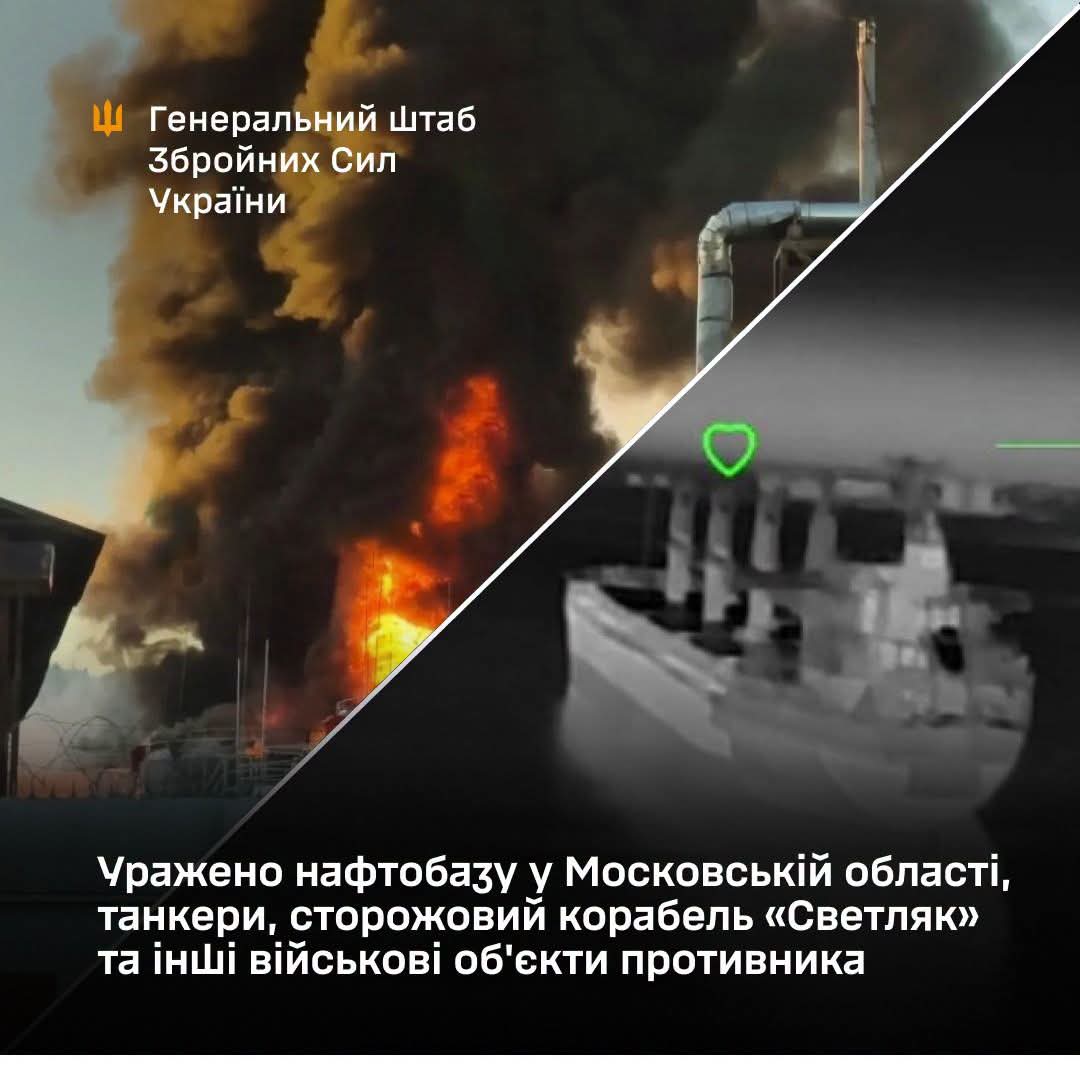
Russian regime and its economy can and most probably, will survive the Ukrainian attacks on critical infrastructure of the country – at least in the foreseeable future.
But the potentially mortal blow to the regime could be struck by the regime itself – if it declares general mobilization.
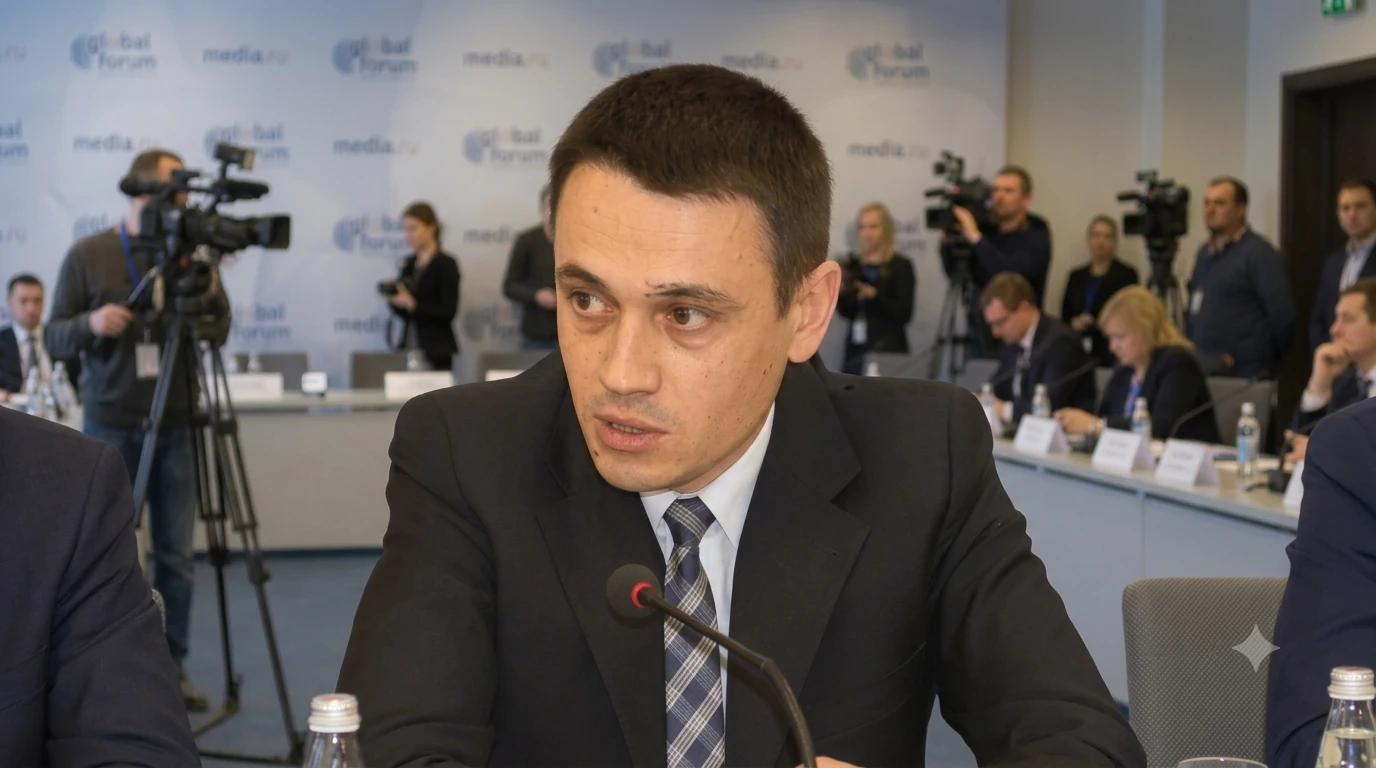
This is the opinion of prominent Russian economist Vladislav Inozemtsev, which he expressed in the conversation with “Arch frontline".
According to the expert, current expanding campaign of Ukrainian deepstrikes has also very painful and significant consequences for the regime and society.
Irreversible, although manageable damage to the economy is accompanied with the collapsing trust in the regime ability to ensure security. The psychological effects is catalyzed by the inadequate actions of the regime, trying to cope with the situation.
Mr. Inozemtsev thinks, that if the regime somehow handles the damage of general mobilization, there are no other ways to stop the war or the expansion of it towards the West, except death of the leader of the regime Vladimir Putin, or some kind of ceasefire agreement, freezing current war.
Yes, on the one hand, you cannot take the general and even emotional impressions from what we see in public sphere as the real impact on reality.
But on the other hand, it is already clear, that impact and the damage, which Ukrainian strikes are inflicting, is going to be big. You can't underestimate it, as if all of this is only social media illusion in its bubble, heated up by wishful thinking about victory of Ukraine and upcoming collapse of Russia.
Actually, these Ukrainian deep strikes started already last summer. And it has already been clear, that it was going to be the big and painful thing for Russia.
Speaking specifically about oil production, I think, that the damage, of course, isn't as big, as often portrayed, but at least 25 percent of it is cut off.
However, the infrastructure, which is struck, is quicky repaired. It looks, that it takes about two months to do this. So, after a couple of months it could be more or less fixed – but, of course, if there are no new Ukrainian strikes. However, as we see, this strike campaign is not going down or to an end.
But the scale of physical damage of the infrastructure and the consequences of this damage for the economy is only the part of the story.
Another thing, which is maybe even more significant – the psychological impact on the society.
There's shown, that the war is here, that it is now directly affecting their lives. People can see, that strikes are reaching even those parts of the country, which just recently seemed most remote from the epicenter of the war.
And, of course, they start to understand, that all talks of the regime authorities about the “security” and “invincibility” were just fake and these talks now sound to the people like the senile blabbering.
On the other hand, we mustn't overestimate just the naked numbers – I mean, the percents of the rise of prices, inflation. We have to remember, that the Russian society just recently was living its life, when these numbers were spiking to all heights and over all ridges.
So, if the prices are up and the quality of goods is down even drastically, people, most probably, will just adjust to this. And that's it.
But, despite this historically proven perspective is another one thing, which is new in the same historical context. People’s lives have become absolutely civilized and European in terms of digitalization and the people got absolutely used to this. They can't imagine their life without being able to arrange it online. Of course, it is true speaking, first of all, about inhabitants of the big cities, but it is no less essential.
So, cutting off the internet was the second and even more painful and major blow to the people's lives and psychological situation after the rise of fuel and all other prices.
You see, if the liter of petrol cost even 120 rubles and it is severe shortage of the fuel, there's on situation. But if there is just no internet and you can't do anything in terms of your basic life needs – it is another level of calamity.
Well, you're right, that people mostly are not talking even to each others about full picture, but I'd doubt, that they are not doing this out of fear of authorities or “organs".
I think, that the main reason of this is the hopelessness. People are seeing no prospect, sense and any real possible result of this. And they do lot believe in each other, so – in collective power of the people. “Ok, even if I'm coming out to protest or raising my voice, nobody will support me, I'll be left alone or in absolute minority", -- that is the most common formula of this.
Also, people in principle do not believe in any kind of connection between society signaling something to the authorities and the latter reacting to the signal in proper, adequate way. They see no connection between what society is doing and saying on the ground and the world and deeds of authorities, government, those in power.
Can this situation be changed, at least, little bit? Well, I think some proper messaging from Ukraine and its allies could work. “If you vote massively in the upcoming elections against current leadership, these strikes and fires could end", -- that would be kind of the powerful narrative, in my opinion.
At least, people could start trying to use their brain.
Yes, you're right, but I see no other possible ways out of this situation we're all in, except the sociopsychological shifts.
How can anybody believe, that the war will stop, for example, because of the technical shortages of fuel.
Part of the Russian occupational army in Ukraine in overall fuel consumption in Russia is relatively very small – just several percent.
There were even the research of the amounts of emissions to the atmosphere of Russian forces in Ukraine, proving this.
So, there'll always be fuel for Russian army and war in Russia.
On the other hand, there fuel prices will rise up big time. Russia will have to import up to 20 percent of its petrol.
But who will be the main beneficiaries of this? For example, Igor Sechin, head of “Rosneft” which is the co-owner of “Nayara Energy” bringing petrol to Russia from India.
The liter of petrol will cost 120-130 rubles, state budget policy will be aimed at mitigating the situation, nevertheless, all of the prices will be 1,5 times higher, inflation will rise up at 6-8 percent.
The retailers will catalyze the process in adding to the prices from and for themselves.
Also, there's ongoing and ever growing conflict of retail chains and logistics companies – former complaining about the prices of the latter.
The effect will be the shrinking of the overall network of the trade and goods delivery, which traditionally in Russia was spread even in the most remote regions.
That would be also the very strong signal, that things are, so to say, not going well, which will be more felt and seen on micro, not macrolevel.
Summing up, we still are not seeing any kind of Apocalypse here, but it is just the symptom, that the trends, which started last summer, are getting stronger and will be only stronger.
The times, when the war was somewhere far away and the life was unaffected by it and more or less stable are over. And these times are not coming back.
The times when the war was somewhere far away and the life was unaffected by it and more or less stable are over. And these times are not coming back.
I see zero adequacy. Speaking about mitigation, it is the contrary – the actions of the authorities only make the situation worse.
For example, there's the distinct social segment of the people, who are running small businesses, managing to live on their own. Its about 14 million of them. So, government could at least leave them alone and on their own.
But, no – they are raising taxes, introducing new ones for them. Even if it is officially acknowledged, that the government structures, which have to administer those taxes, need more money, that are collectes from those taxes.
Well, that is, so to say, primeval instincts of our authorities – to oppress, to strangle everyone in the times of crisis.
Everybody know, that the inhabitants of Moscow is the wealthiest part of Russian society, that they can withstand current fuel crisis, that there is excellent network of public transport in Moscow.
But the federal authorities keep dispatching additional amounts of fuel specifically for Moscow.
Well, that is, so to say, primeval instincts of our authorities — to oppress, to strangle everyone in the times of crisis. Vladislav Inozemtsev, Russian economist
Yes, absolutely.
But here we must ask ourselves, what do we want to achieve, can we achieve it and what is realistic to hope for?
All of this, which we were talking about, is absolutely not enough to force Putin to spit Donbas or all of the occupied territories of Ukraine out of his bloody jaws.
It is not even enough to force him to stop or at least deescalate to some levels the war.
I’m not sure, if the successful campaign of Ukraine against Russian fleet in the sea of Azov is decisive factor in this context.
Just look at the casualties and price Putin and his regime were ready to pay for the totally destroyed and deserted part of Ukraine. And you'll realize, that he will be ready and able to pay even more higher price just for the sake of infinitely prolonging the war.
So, the West has to make, at last, the main strategic choice and define the main way to move forward.
Because you can't just to wait, hoping, that degrading economy somehow will force Putin and his regime to give in.
Yes, economy of Russia plunged into stagnation, it is degrading, it has become the supplement of China,they must forget about its competitiveness, because it is no match for Europe.
But this economy will have the potential to produce everything, which is needed for its people for life – at least basic one.
So, there are some questions for the West – are you ready, let's say, to kill Putin and/or to raze everything to the ground in occupied territories?
Can you force Putin to deescalate by military force? What about the risk of getting hit by nuclear bomb?
Or, on the other hand, some ceasefire and freezing of the war model must be found.
Russian society would be very happy if it happens. Renewing the war would be very hard or even impossible, if it is frozen.
So, after Putin dies, the situation will definitely change. Russia still hasn't become North Korea.
I am for sanctions policy, I think that they were and are needed, despite all of the mistakes, which were made, while implementing them.
But now I can see, that the West approached some kind of the limit of the will and readiness to go further this way. And you can see, that almost for two last years part of Western businesses start losing obedience and patience.
Anyway, I think, for the West it is more needed to implement properly and really strictly those sanctions, which are already approved, before the new ones are discussed.
Because the main damage to the sanctions policy was done exactly by the double standards or just missing main things in their implementation.
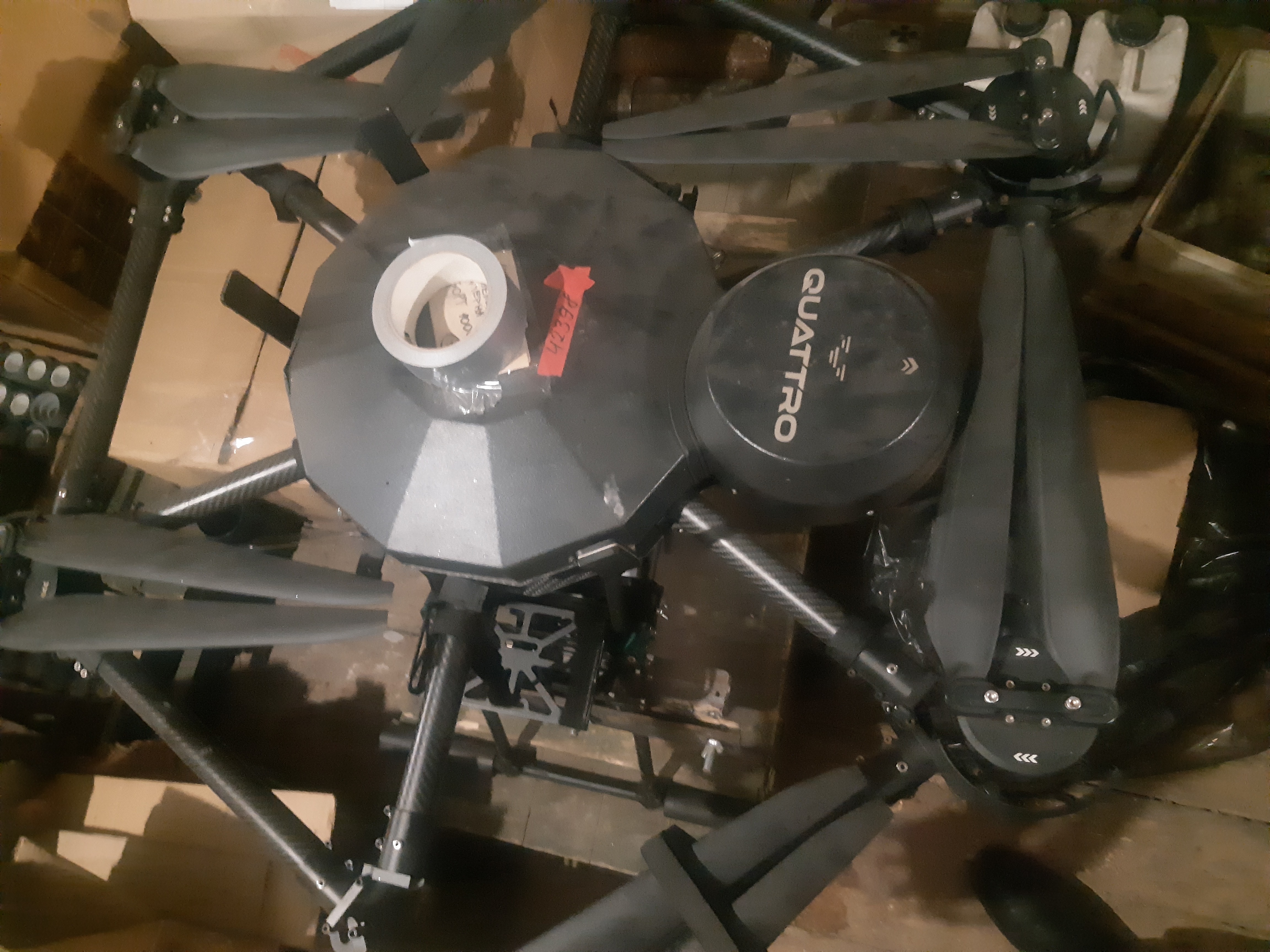
Why you in the West lament, that Russia is getting details for the “iPhones”, or the Russian drones, shot down in Ukraine, are full of details not only of Chinese, but also of Western origin?
It has happened so, because you let it happen.
If you are sanctioning Russia, then sanction all the countries of Eurasian Union. By this you'd also destroy one of the last precious toys of Putin.
And if the main Western countries sanction those companies who are helping Russian to circumvent Western sanctions, this circumvention would quickly end, believe me.
All these years of war I kept repeating, that this is not going to happen. I will repeat that once again, but less firmly, than earlier.
Why? Because I am afraid to make the same mistake, like many in the West – to overestimate Putin's adequacy. He crossed all the lines, which many predicted he won't cross, many times.
So, he can cross this one, too.
The destructive effects would be huge.
First of all, the society is absolutely unprepared for this. Second, mobilization of even one million of people can be not so effective in changing situation at the very frontline, as regime could be hoping.
Having in mind degradation of Russian army, just the increase of the manpower won't cause essential breakthrough.
But who and how can convince Putin to withhold from such step, if he's already made the decision to take it? I don’t know.
As we remember, the regime tried to use mobilization after the first losses after the start of full scale war and the reaction of the society was very negative. Then Putin just backed off and declared the significant increase of money for those, who sign the contracts with the army and are going to the war of their own will. In 2023 the Russian army started to be five times more expensive for the budget, than before that.
Can regime now do the same thing: raise the money for those, who are serving now or signing the contract, instead of introducing massive conscription and mobilization?
Anyway, I would give the 60-70 percent of probability, that regime would not take this step.
But if I'm wrong, the effect of this will be incomparably more destructive for the regime itself, than effect of the other processes we'be already discussed. System won't survive that. And if it survives, that would mean that it is immortal and invincible.