Category

Skeleton article title placeholder text spanning two or three lines while the content loads from the CMS


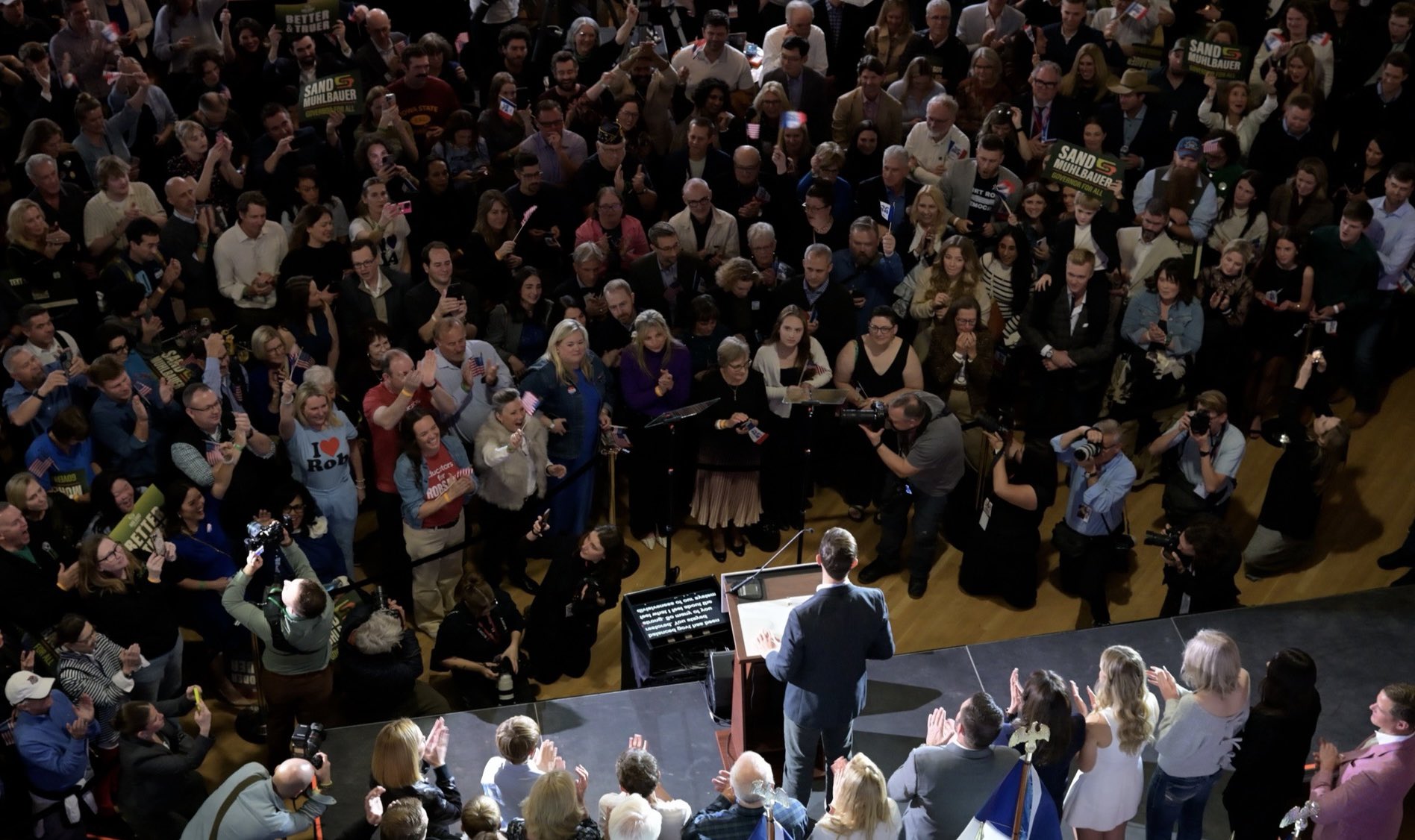
The Republicans’ electoral disaster on November 3 leaves one question impossible to answer: what will Donald Trump do next? Pivot to a more pragmatic approach, or double down on radical action? Regardless of the path he chooses, the US president has never been easy to predict. But one thing is clear — and in times like these, that is no small matter: the United States will not continue down the road toward authoritarian rule unchallenged. A Congress fully controlled by the Democrats will put a powerful check on Trump’s ambitions. It will be able to block legislation, investigate his administration and, in some cases, reverse decisions taken by the White House.
The worst-case scenarios circulating in Europe over the past two years assumed that the United States would abandon the democratic camp altogether. Europeans increasingly saw themselves as one of the last bastions of the liberal order, squeezed between autocrats in Moscow and Beijing — and potentially Washington. The gloom that had proved so difficult to dispel since Trump’s election victory had, at times, taken on almost apocalyptic proportions. At least on this front, the US election results should bring a measure of relief.

There are other encouraging developments, too: the defeat of Viktor Orbán in Hungary; the electoral defeat of the political camp built around Aleksandar Vučić in Serbia; and the defeat of Flávio Bolsonaro in Brazil’s presidential runoff. Three years ago, Poland also managed to oust the anti-democratic Law and Justice (PiS) party from power. These are significant setbacks for political forces that had challenged democratic institutions from within. But do they really add up to the long-awaited turning point?
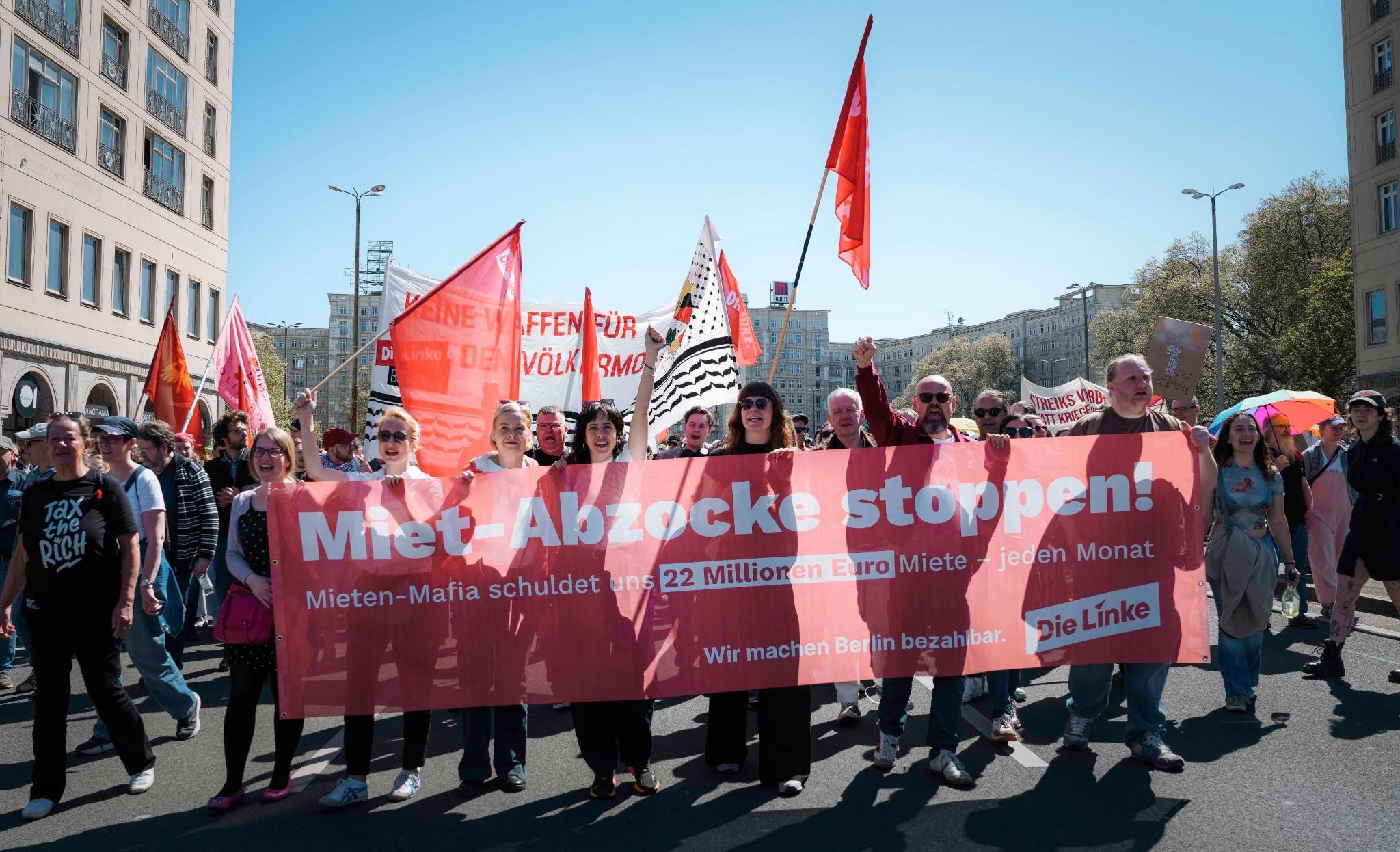
One thing stands out: in every one of these cases, it took an enormous effort to bring about political change. Only broad-based movements and sustained civic mobilisation made it possible. This was particularly true in Poland, Hungary and Serbia, where people took to the streets and helped build the pressure that ultimately translated into decisive election results. In all three countries, opposition forces had to overcome years of political dominance, institutional obstacles and a sense of resignation among voters. And in each case, change came only after a long struggle.
During 2024 US presidential campaign Trump promised his supporters: “In four years, you don't have to vote again. We'll have it fixed so good, you're not gonna have to vote.” What Trump said in 2024 was straight out of the playbook of virtually every autocrat: use the opportunities offered by liberal democracy one last time to gain power, then gradually set about dismantling it.
The playbook is remarkably consistent. First, the free press comes under attack: it is discredited, shut out and financially weakened. Next, the judiciary is targeted, its independence questioned and its authority undermined. Wherever possible, loyalists are placed in positions of influence.
Finally, elections themselves come under attack. Attempts are made to manipulate results through intimidation, pressure on election officials and other forms of interference. Trump provided a particularly striking example in January 2021, when he called Georgia Secretary of State Brad Raffensperger, a fellow Republican, and urged him to “find” the 11,780 votes he needed to overturn Joe Biden’s narrow victory in the state. Raffensperger refused, pointing out that the president’s claims were false and that the results had been thoroughly checked. It was an extraordinary attempt by a sitting president to interfere with the outcome of an election he had lost. The same pattern has played out in the other countries mentioned above.
The coup, in other words, does not happen with one big bang. It unfolds gradually. That is precisely what makes it so dangerous. People become accustomed to each new breach until, eventually, they barely notice the erosion of the system around them. Or they turn away from politics altogether — a process that Steve Bannon, Trump's former chief strategist, sought to accelerate with his strategy of “flooding the zone with shit”: bombarding people with one negative story after another until they become so disgusted that they retreat into their private lives. At that point, the path is clear for the autocrats.
That this has not happened without resistance in the United States is a blessing. For far too long, it looked as though a large part of the electorate would simply endure the president’s and his entourage’s outrages with stoic resignation. Large-scale street protests did take place, most visibly under the banner of “No Kings”. But the very choice of that slogan revealed the opposition’s dilemma. It was broad enough to unite people with very different political views, precisely because it demanded little more than a rejection of Trump’s increasingly personal style of rule. Beyond that common denominator, the opposition struggled to agree on a coherent political message or an alternative vision for the country. At the ballot box, however, Americans showed that they do recognize the threat posed by Trump.
One question remains: would discontent with Trump have been just as strong without inflation and high gasoline prices? The answer is probably no. The cost of living was a central concern for voters, and the war in Iran, with its impact on energy prices, added to the pressure on the administration. Interpreting the result as nothing more than an uprising of principled Democrats would therefore be wishful thinking. The election was also a verdict on the government’s economic record and its handling of the country. Still, there was an election — and, unlike in Georgia in 2020, there have been no comparable attempts by the president to overturn the result.
In the end, it was a combination of factors that finally jolted voters into action. But the question remains: how often can societies summon the strength and determination needed to generate a wave capable of removing an autocrat from office, or at least constraining him through parliament? In the United States, voters woke up halfway through Trump’s second term; in Poland, after eight years of PiS rule; in Hungary, after 16 years of Orbán; and in Serbia, after 14 years of political dominance by Vučić’s Serbian Progressive Party. These were long years of stagnation and hopelessness for many — years in which people left their countries, economic conditions stagnated at best and often deteriorated. Lost years that will now take considerable effort to make up.
But do the elections in the United States and elsewhere mean that the liberal democracy has regained its appeal? Yes and no. Yes, because some people seem to have rediscovered the value of freedom and realized that it should not be taken for granted. But also no, because these recent successes may prove to be no more than a temporary upswing. The reasons why autocrats have had such an easy time of it for so long — and in many places still do — have not disappeared.
An overbearing, bureaucratic state; a sense of lost control over issues such as migration; misplaced investment priorities, particularly in infrastructure and education; pension policies geared primarily towards the electoral preferences of ageing populations; and, more generally, the slowness and inertia of political decision-making. All of these problems remain. They will continue to fuel frustration and provide fertile ground for radical parties, on the left but especially on the right.
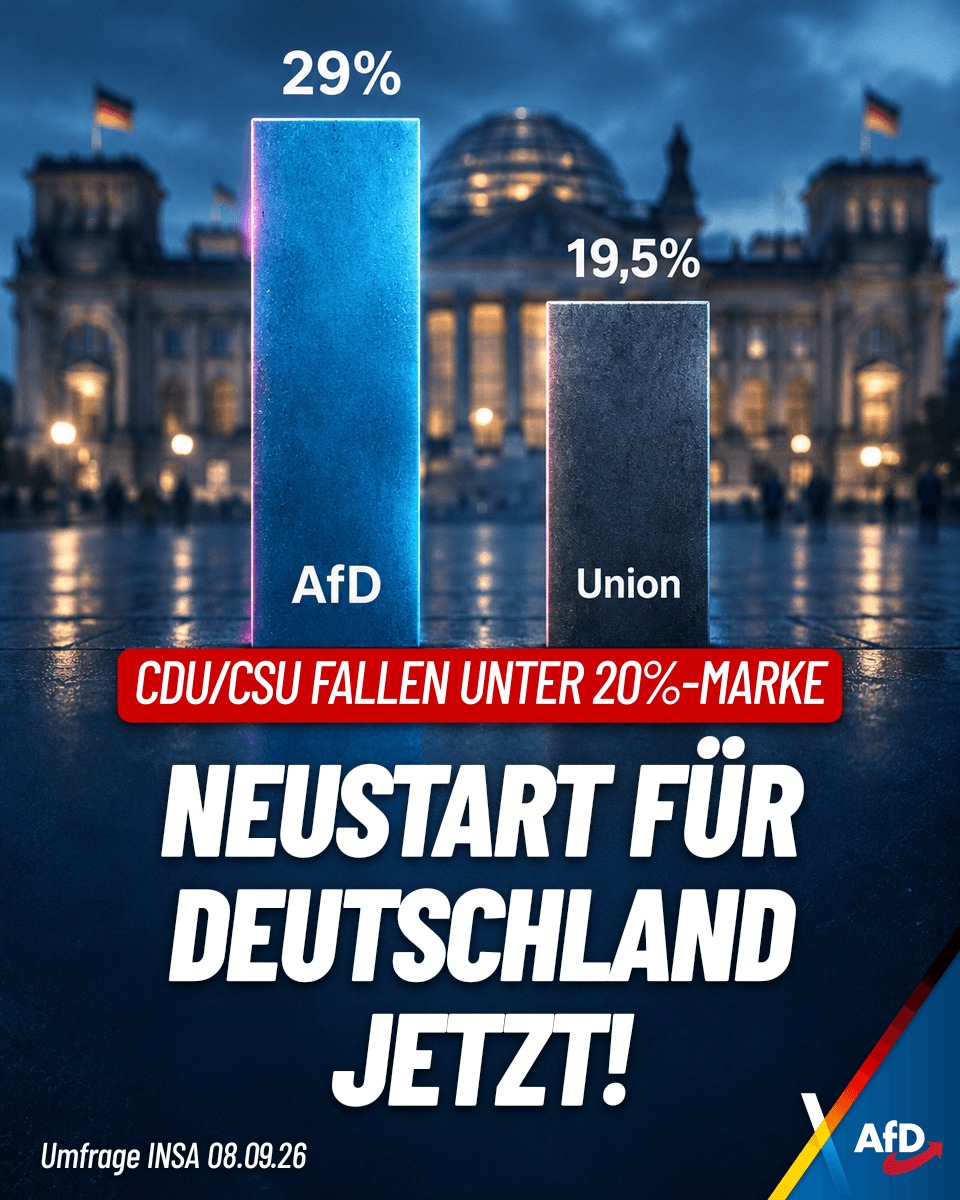
There is therefore little reason to hope that the US election results will now cause right-wing populists such as Germany’s Alternative for Germany (AfD) to lose support. It is true that, after the Republicans’ defeat, AfD sympathizers J. D. Vance and Elon Musk have lost some of their political appeal. Parts of the AfD had embraced the Trump administration as an ideological ally, particularly on migration and the culture wars. But the party’s electoral success in Germany has always been driven far more by domestic issues: migration, dissatisfaction with the established parties, opposition to support for Ukraine and resentment over Germany’s break with Russia. The American political debate may influence the AfD’s rhetoric and its international alliances. It is unlikely, however, to determine the choices of most of its voters.
The task is not simply to celebrate the defeats of political forces that have challenged liberal democracy.
The US midterm elections may at least give liberal democracies in Europe some breathing space and ease the pressure on them. But that time must now be used — urgently — to make the long-overdue strategic decisions. The task is not simply to celebrate the defeats of political forces that have challenged liberal democracy. It is to address the failures and frustrations that helped them gain support in the first place.