Category

Skeleton article title placeholder text spanning two or three lines while the content loads from the CMS


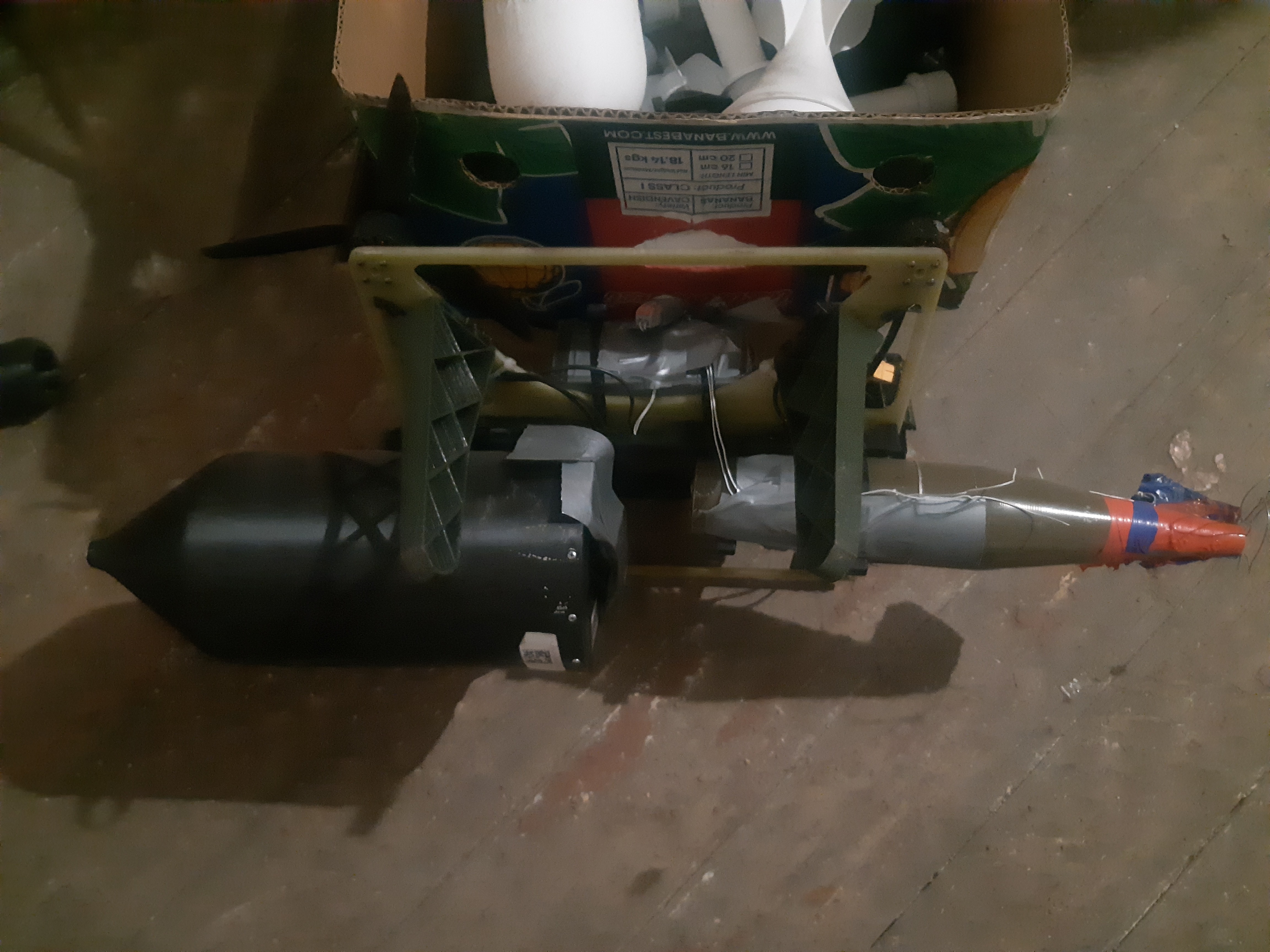
On August 4, an explosive-laden drone was discovered in the secured cargo area of Leipzig/Halle Airport, sitting in dangerous proximity to Ukrainian cargo aircraft.

On August 4, an explosive-laden drone was discovered in the secured cargo area of Leipzig/Halle Airport, sitting in dangerous proximity to Ukrainian cargo aircraft. It was defused, no one was injured and no aircraft was destroyed. For several weeks, the German government maintained a cautious public approach regarding attribution. That changed when Berlin formally identified Russian state actors as the architects of the plot.
The response from Berlin followed a well-worn diplomatic playbook: the closure of Russia's consulate in Bonn, the termination of the lease governing the Russian House on Friedrichstraße in Berlin, tighter visa oversight for Russian nationals, and renewed calls for European coordination against Moscow's shadow fleet. These measures are not entirely meaningless. Diplomatic facilities and cultural outposts provide cover, contacts, and physical infrastructure for intelligence operations, and stripping them away raises the operational cost of conducting espionage on German soil. Yet, the deeper significance of Leipzig lies elsewhere.
The fundamental dilemma facing the government in Berlin is that Russia's campaign against the West no longer fits into the tidy conceptual boxes European states have traditionally used to organize security. The attack was not delivered by a cruise missile, but by a relatively inexpensive drone aimed at a logistics hub thousands of kilometers from the front lines in the Donbas. This is the domain of hybrid warfare: sabotage, cyber intrusions, targeted espionage, disinformation, the opportunistic recruitment of local proxy agents, and covert attacks on critical infrastructure. Taken together, however, they constitute a sustained campaign engineered to generate pervasive insecurity while remaining carefully calibrated below the threshold that would trigger a conventional military response.
The choice of Leipzig/Halle as a target was far from accidental. The airport serves as a vital European freight hub, and the heavy Antonov transport aircraft stationed there form a primary logistics artery supplying Ukraine. If investigators are correct that these aircraft were the intended targets, the operation must be understood not as an act of random disruption, but as a direct attempt to strike a physical node in Germany's support architecture for Kyiv. That realization brings Berlin face to face with a profound contradiction in its strategic posture.
Germany has positioned itself as Ukraine's most critical European anchor. Data from the Kiel Institute for the World Economy confirms that Germany is the single largest bilateral donor of military, financial, and humanitarian aid to Ukraine in Europe, ranking second globally only behind the United States. From air defense systems to heavy artillery, German material commitments are indispensable to Ukraine's survival. Yet, at the very same time Berlin provides this lifeline, it confronts a Russian war economy that continues to generate massive revenues through channels European governments have hesitated to fully close.
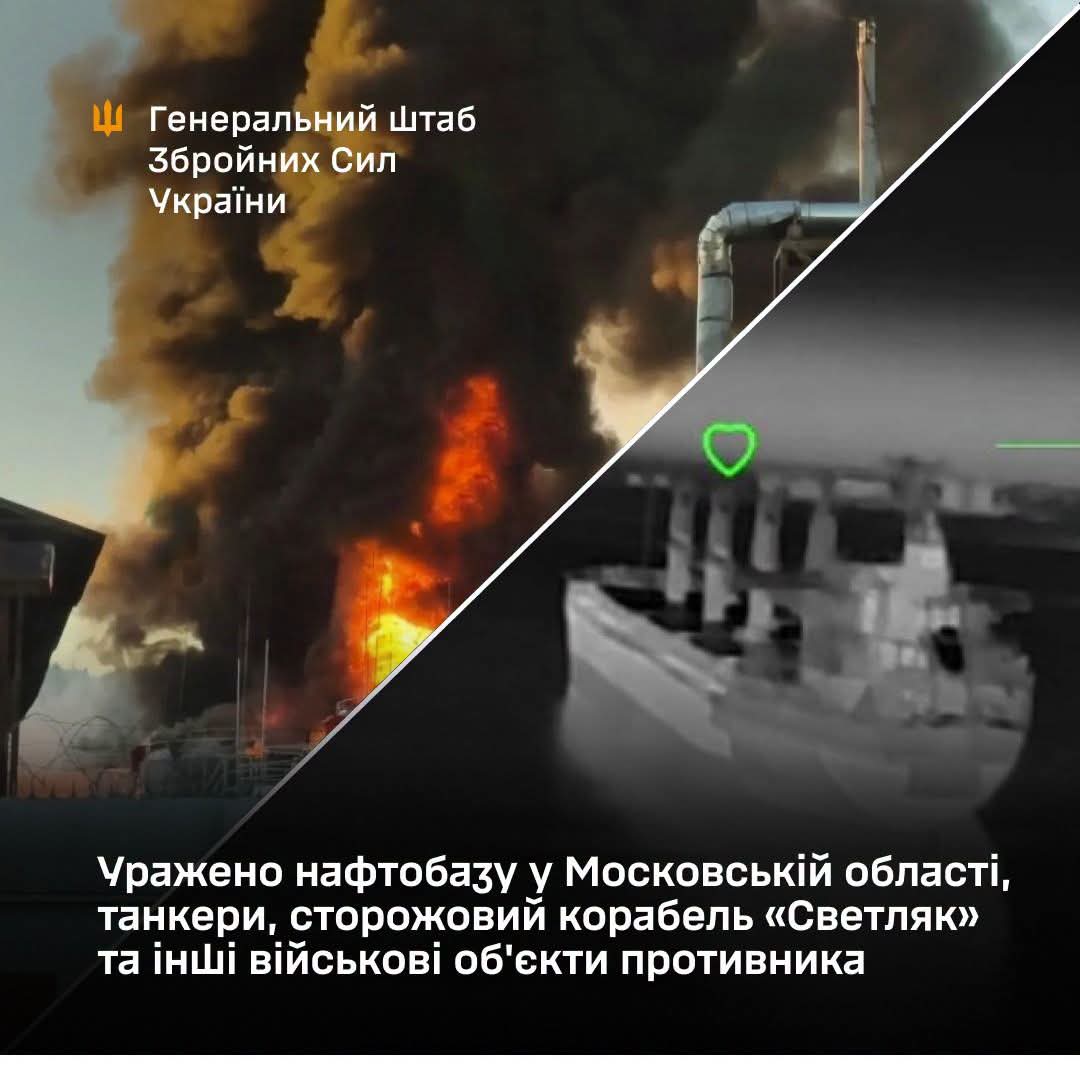
Chief among these revenue streams is the Baltic shadow fleet: hundreds of aging, under-regulated oil tankers operating through opaque offshore holding companies and under flags of convenience to circumvent Western price caps. Moving daily through the Baltic Sea, these vessels pass within sight of the German coastline, raising immediate economic, environmental, and national security risks.
Intercepting these vessels, however, exposes the core friction in the Western position. International maritime law strictly limits what coastal states can do within their exclusive economic zones, and a sanctions violation does not automatically confer a legal right to board or seize a foreign-flagged ship. European governments have consequently relied on a fragmented regime of port inspections, flag-state inquiries, and insurance mandates rather than direct maritime interdiction. Russia continually exploits the openness of European legal systems and economic markets, knowing that European states remain bound by the very legal order Moscow seeks to undermine.
Accepting legal constraints is essential to preserving the character of a liberal democracy, but it also means acknowledging that deterrence cannot rely on the comforting illusion that another round of symbolic sanctions or another consular expulsion will alter the Kremlin's calculus. Closing a consulate in Bonn or evicting a cultural center in Berlin inflicts administrative friction on Russian intelligence, but it imposes zero material cost on Russia's war economy or its strategic decision-making. As strategic observers and editorial voices across the German press have noted, procedural restraint in the face of physical sabotage is easily misread in Moscow as fear and paralysis — and eventually as an invitation to test boundaries further.
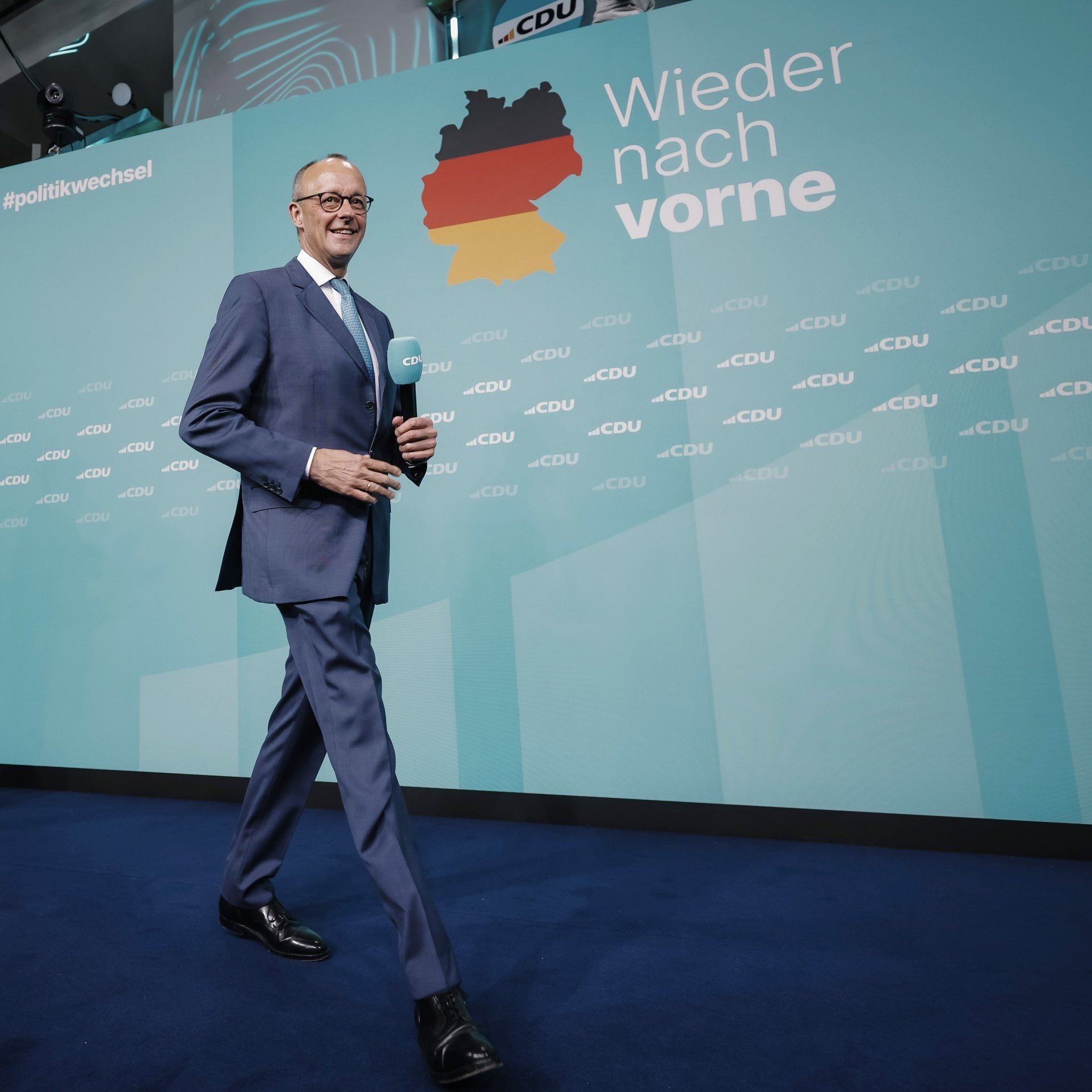
This dynamic extends directly to the protocol of crisis management. The decision to have Interior Minister Alexander Dobrindt and Foreign Minister Johann Wadephul lead the public attribution, rather than Chancellor Friedrich Merz delivering a formal address to the nation, was a calculated attempt to preserve diplomatic tradecraft and maintain a buffer for future escalation. Yet delegating the response to cabinet ministers risks sending a signal of institutional hesitation.
Russia does not need to go to war with Germany.
The political dimension of this grey-zone campaign is therefore ultimately far more dangerous than its physical assets. Why? Because it reverberates in the German public debate. It is enough for Russian sabotage to reinforce existing arguments within the German public sphere: that assisting Ukraine exposes ordinary citizens to retaliation, that confrontation with Moscow drives economic hardship, or that the government is dragging the country into an unnecessary conflict.
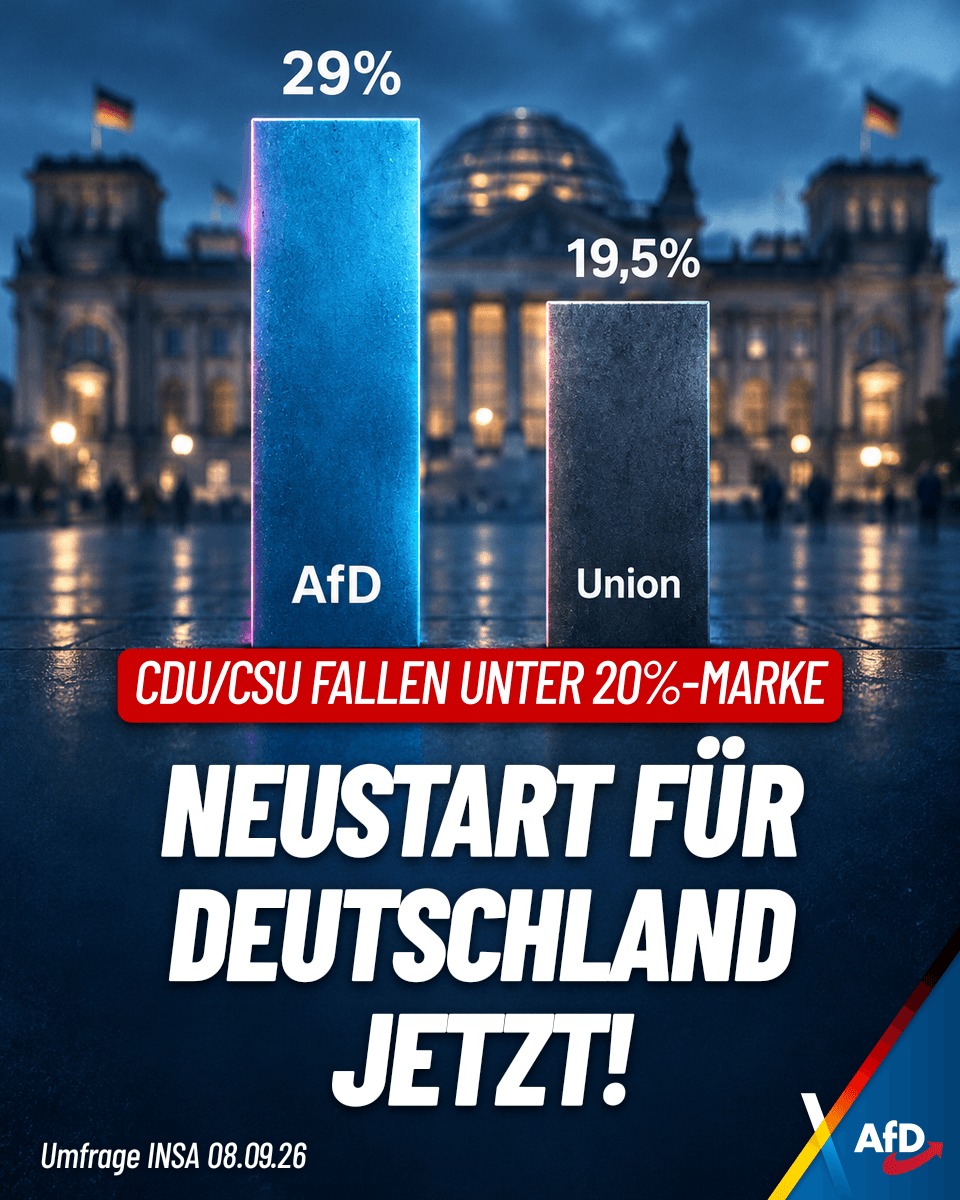
These arguments find fertile ground, particularly in eastern federal states where historical skepticism toward federal authorities and deep-rooted anti-war sentiments run strong. Populist forces, most notably the AfD, act as effective force multipliers for these narratives. With crucial state elections coming up in the next week this may already play out sooner than later.
The central lesson of Leipzig is twofold: First, Russia does not need to go to war with Germany. It only needs to make German society question whether sustaining Ukraine is worth the risk. Second, Germany must learn to defend itself against a war that, by design, refuses to look like one.