Category

Skeleton article title placeholder text spanning two or three lines while the content loads from the CMS


Ukraine is the challenge not only for Russian dictatorship and crumbling empire, but also for those in the West, who believe that the world belongs only to the biggest ones.
Ukraine is the challenge not only for Russian dictatorship and crumbling empire, but also for those in the West, who believe that the world belongs only to the biggest ones.
That is why not only current US administration and that part of the American society, which is behind it, but also a lot of people in Europe think that Ukraine is annoying failure in the world order, which is doomed to fail.
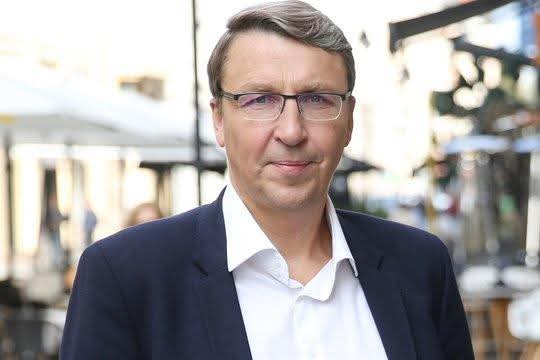
That is how prominent Ukrainian human and civil rights activist, Nobel Peace Prize winner Oleksandra Matviichuk assesses the main division in terms of worldview between those, who support Ukraine and who do not.
According to her, history many times proved, that such cynical worldview is wrong and is dangerous also for those, who share it.
In the conversation with Arch Frontline she also talks about Ukrainian identity, shaped by resistance to genocidal agression and war, conflicts in the Ukrainian society, reflects on the Western strategy of "boiling Russian toad in Ukrainian blood" and the possible effect of this approach in Ukrainian attitude towards Europe and the West in general.
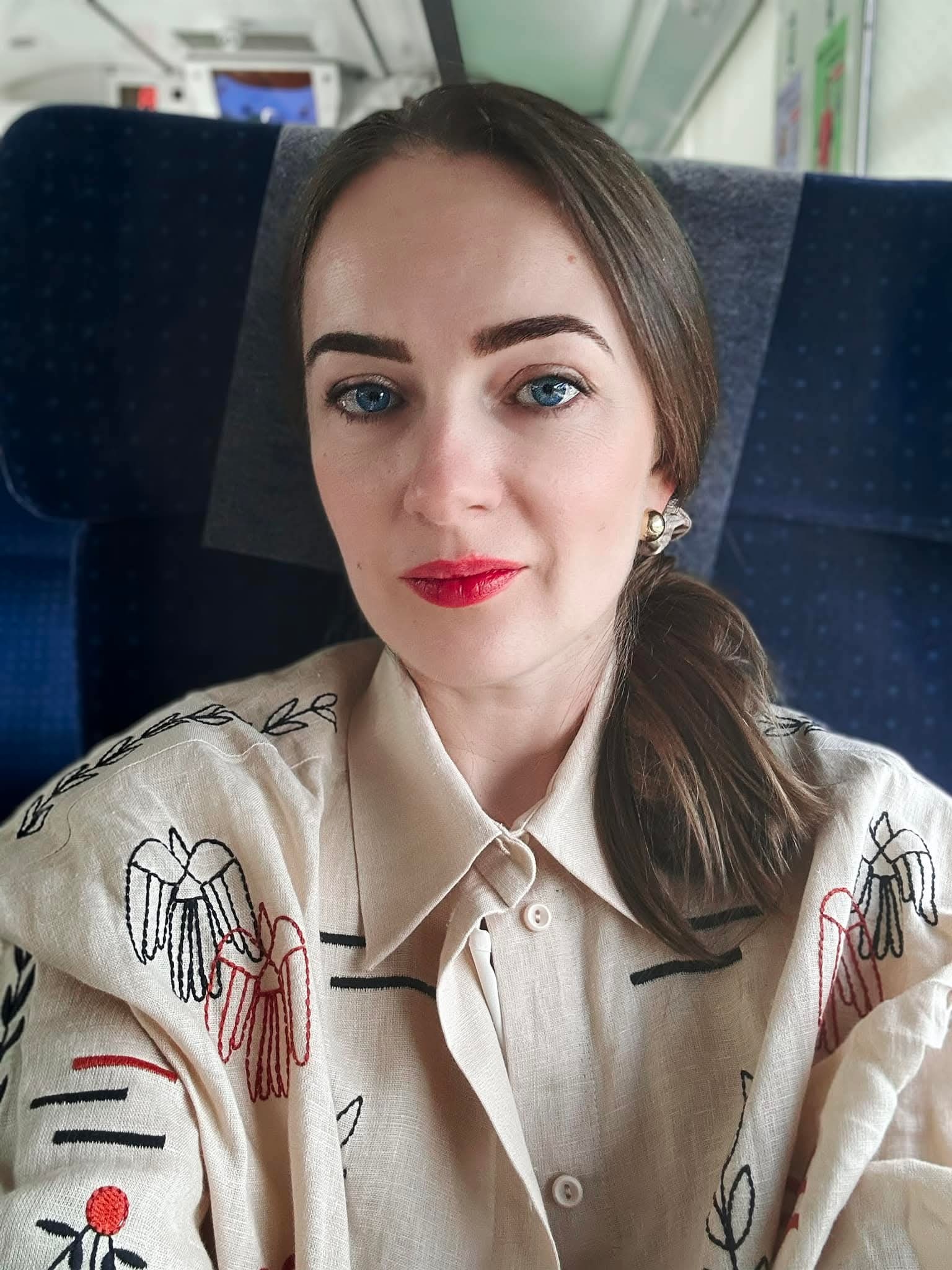
As you well know and remember, Putin always talks about the "root causes" of this war. He was mentioning this even to US president Donald Trump in Anchorage.
The main "root cause" of this war is exactly Ukrainian identity. Exactly because of this people in Ukraine clearly see the genocidal nature of this war.
Putin constantly says that there's no Ukrainian language, Ukrainian culture, Ukrainian nation. According to him, we are "one nation" with Russians. And all these last 12 years we just see and document, how these words turn into horrible reality in occupied territories of our country.
Russians there physically annihilate local elites, most active parts of local communities and society. These are journalists, teachers, priests, ecologists, writers, librarians. Russians are destroying and looting Ukrainian cultural heritage, totally banning Ukrainian language.
Russians are kidnapping Ukrainian children and transferring them to Russia, putting them to special camps. There those children are told that they are not Ukrainians, but Russians, that their parents and relatives abandoned and rejected them, so they will be adopted by Russian families and will become "real Russians".
These are actions, that are qualified as crimes against the humanity and genocide. And the highest Russian leaders are directly responsible for that.
So, in such context and circumstances Ukrainian identity is self manifesting in as strong way, as possible.
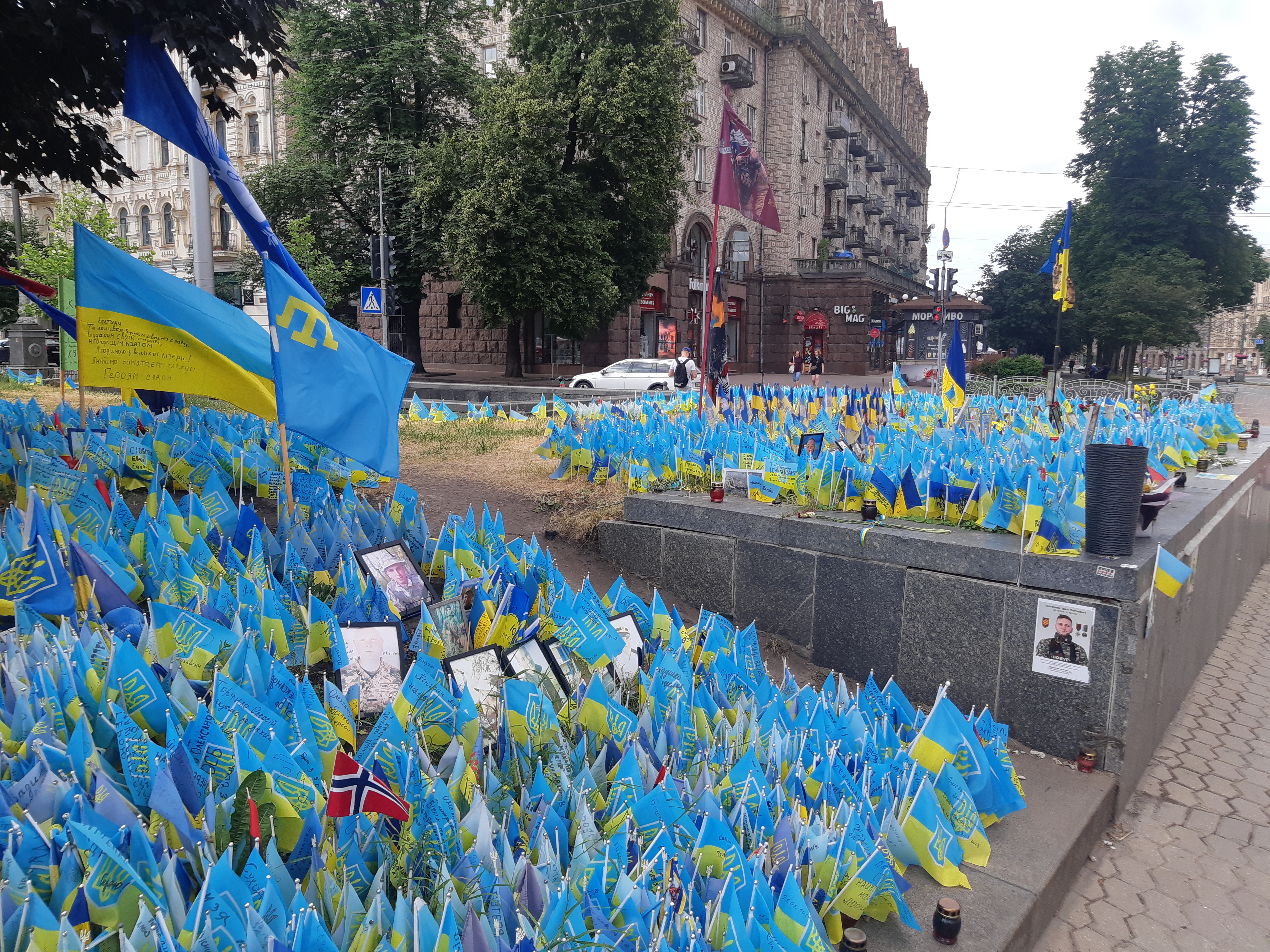
I see this even on simple everyday life level, when people just purely naturally and instinctively place strips and ribbons of Ukrainian flag colors on themselves or their bags, cars other stuff.
You won't see this, for example in France or any other European country, because people there don't feel and see that their identity is under such grave threat. So, they don't feel that they have to manifest it in such way.
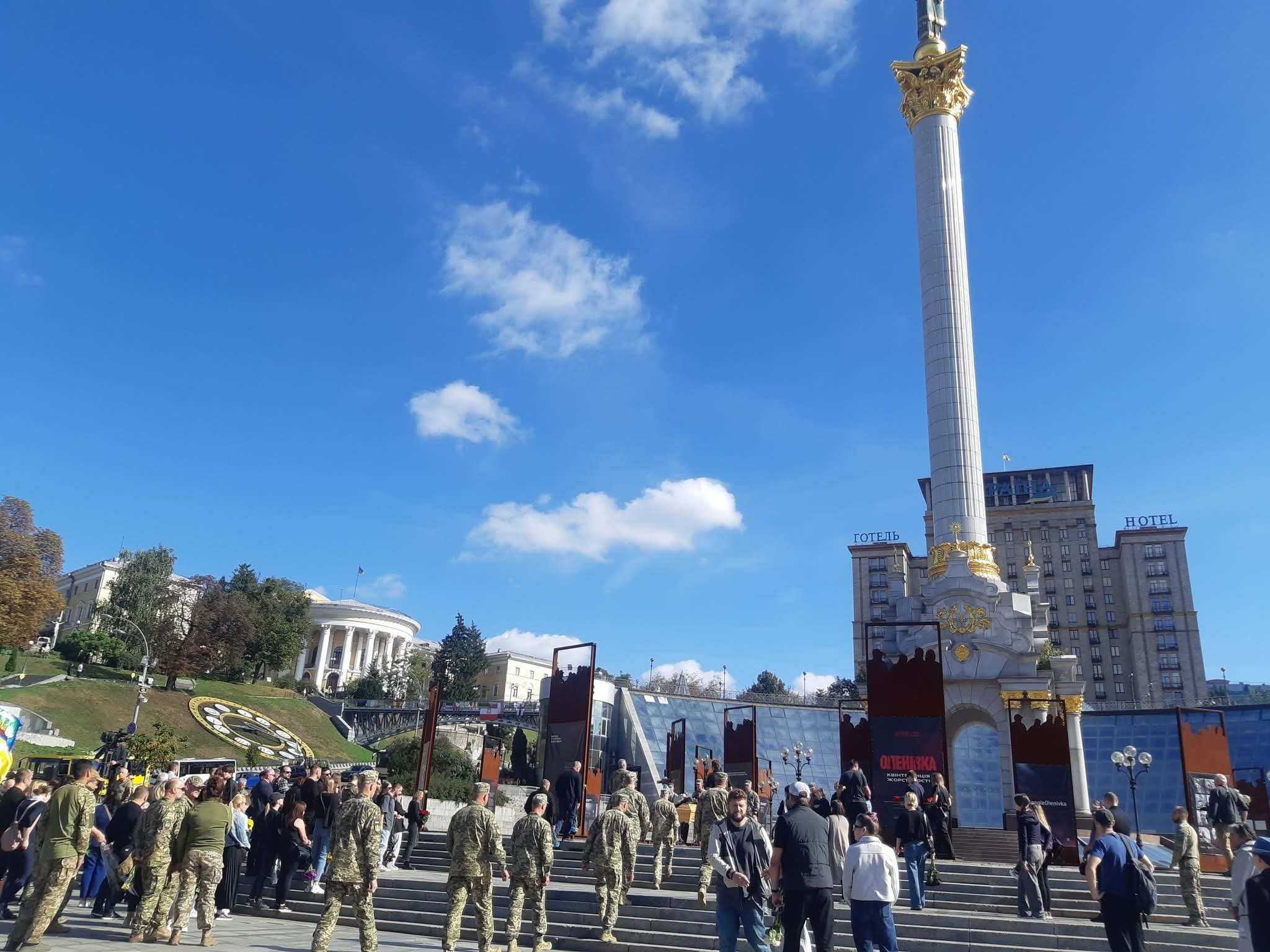
Since Maidan and up till now I see the steady tendency, which is also reflected by main opinion polls — majority Ukrainians see themselves as civil nation and society, which is essentially inclusive one. It means that you can choose to become Ukrainian, that it is the matter of value based free will.
I'll give you example. The first fallen in Maidan were ethnic Belarusian, Armenian and Ukrainian. But all of them were Ukrainians in the most fundamental sense.
Yes, ethnicity wasn't the problem at all in Maidan and it stays the same today. If you support the idea of independent Ukrainian state, if you respect Ukrainian language and culture by words and deeds, you belong here.
This inclusiveness is the power of Ukraine. To be honest, if this wasn't the case, if the dominant identity was, so to say, more narrow, we wouldn't have withstood Russian onslaught.
Speaking about European orientation, I really see very serious problem, but not in the context of political or ideological conflicts and contradictions.
I see it on more emotional, humane level and I'd call it some kind of resentment — "ok, you're supporting us more or less, but we are the ones, who are dying". And this emotion is kicking in no matter what are ideological or political beliefs of the person, what the one thinks about nation or state.
It is natural thing in such hard situation — you always tend to think that you weren't supported enough or even left behind.
Russians, of course, are trying to do their best in catalyzing and exploiting this trend. "So, finally they betrayed you? Well, you'll have to fight till the last Ukrainian and they won't give you a single "Patriot"? Now you are in general defenseless against Russian missiles and the winter is coming, which will be even more harsh than the last one".
So, these emotional, humane feelings can be really dangerous for our European orientation and sympathies.
But the main things stays the same. Let me show you this by the personal example.
I was born in the Soviet Union, like the millions of my compatriots. But I feel myself European just the same natural way, like those millions do. This feeling has become natural exactly because of our fight. This fight is about fundamental values, on which Europe is based.
Those people, who started this fight in Maidan and still are in this fight couldn't be able to explain you, how institutions of European Union work, what are their responsibilities and mandates. But they use the language of values, when they are explaining, why Ukraine must be in the EU.
This fight lasts not the last two decades, but three centuries. Our previous generations, our founding fathers also were fighting for the sake to be "away from Moscow, closer to Europe".
Our generation has the historic chance and possibility to win this fight and we all feel that responsibility. We can end this dependence on Moscow and "Russian worlds" once and for all and return to European civilizational space. "Returning" is crucial idea and narrative here and it is exactly how we see ourselves like people and the society.
Well, first of all, we have to be fair to each other. And we have to be adult ones, understand that the world is not the perfect and ideal place. Also, it is absolutely clear, that no one owe anything to anyone.
So, on the one hand, there's real ground for the criticism of this concept of "controlled escalation", avoiding this "escalation" by all means. This concept was pursued by previous US administration and the West in general.
This concept and politics, in my opinion, were absolutely wrong and flawed. The main effect — the initiative was given to Russian regime, into Putin's hands. He was enabled to cross all the "red lines" and then force everyone to admit that.
Such approach wasn't providing the answers to the strategic questions. Ok, you are avoiding anything, which could potentially annoy Putin. But, at the end of the day, is will this protect you from him, from his ever growing aggression?
If Putin feels that he is strong enough again and decides to attack next country, which is in EU and NATO, then it will appear, that all this concept was fundamentally wrong.
One more and no less important thing. It is obvious, that Ukraine in this concept is not only the tool and hostage of the "control" of escalation. It is also the pot of blood in which Russian frog is being slowly boiled.
You see, this whole story of banning Ukraine from symmetric retaliation to Russian strikes, for withholding usage of European arms, when Russia was hitting where it wants and all over reminds me exactly this fairy tale about the toad, which is slowly boiled at first in the warm water — in order to keep it staying in the pot. Only there is Ukrainian blood instead of water.
Ok, I understand the logic, which might be behind this — in this way we gradually diminish military potential of Russia. But let us not forget, that this toad is being boiled in Ukrainian blood. And that's exactly what I mean under the word "fairness".
Again, that absolutely does not mean that we should start doubting our vector and trajectory towards Europe or something like that. We just have to look at the world with eyes wide open and see that even those countries, which support us and which are on the same page of civilizational values with us, also pursue their own pragmatic interests.
We have to deal with this not purely emotionally, not like ones, who are offended, who are victims. We have to act as the adults, trying to persuade, that such concept, such thinking will bring nothing good, won't lead to the desired outcome, on contrary — it will put the pursuers on the harms way. To put it simply — trying to avoid the agression by not provoking" it, you will accelerate and actually provoke it, you'll make it unavoidable.
And last December Putin openly said, that he's ready for the war with Europe.
Now the intelligence agencies of various countries, politicians saying that there's growing and real risk of Russian attack on some European EU and NATO country or even countries.
Putting these talks and warnings aside — is Europe ready? Is it ready fight on its own?
History destroyed such kind of thinking and such worldview many times.
Those, who were bigger in terms of territory and resources, weren't always winning. We can start with Persian king Xerxes, who lost to Greeks and end up with, let's say, US, who have lost the war not once.
Yes, this is also good example. So, this belief, that those, who are bigger, are always stronger and always win is just wrong. At least, it is not the law of nature.
By the way, it is strange to see that such belief is shared by Trump and his backers, who not only claim, but stress their Christian identity.
Don't they remember, what is written in the Bible about David and Goliath, and what is the meaning and the message of this story?
I'll say more — sometimes I have the impression, that Ukraine and our fight somehow annoys and irritates such people.
Absolutely. But here's the main question — how to talk to such people? How to explain and prove to them, that they are wrong?
It is looking almost impossible exactly because we are talking not about some particular opinions or assumptions about some story, but about the worldview, the core framework, how people understand the world and life, about their values.
Well, maybe the one and only way, it could be changed or fundamentally corrected is the clash with the reality, with the world itself.
My impression is, that, for example, Trump himself slowly started to understand that Ukraine has cards — at least, some.
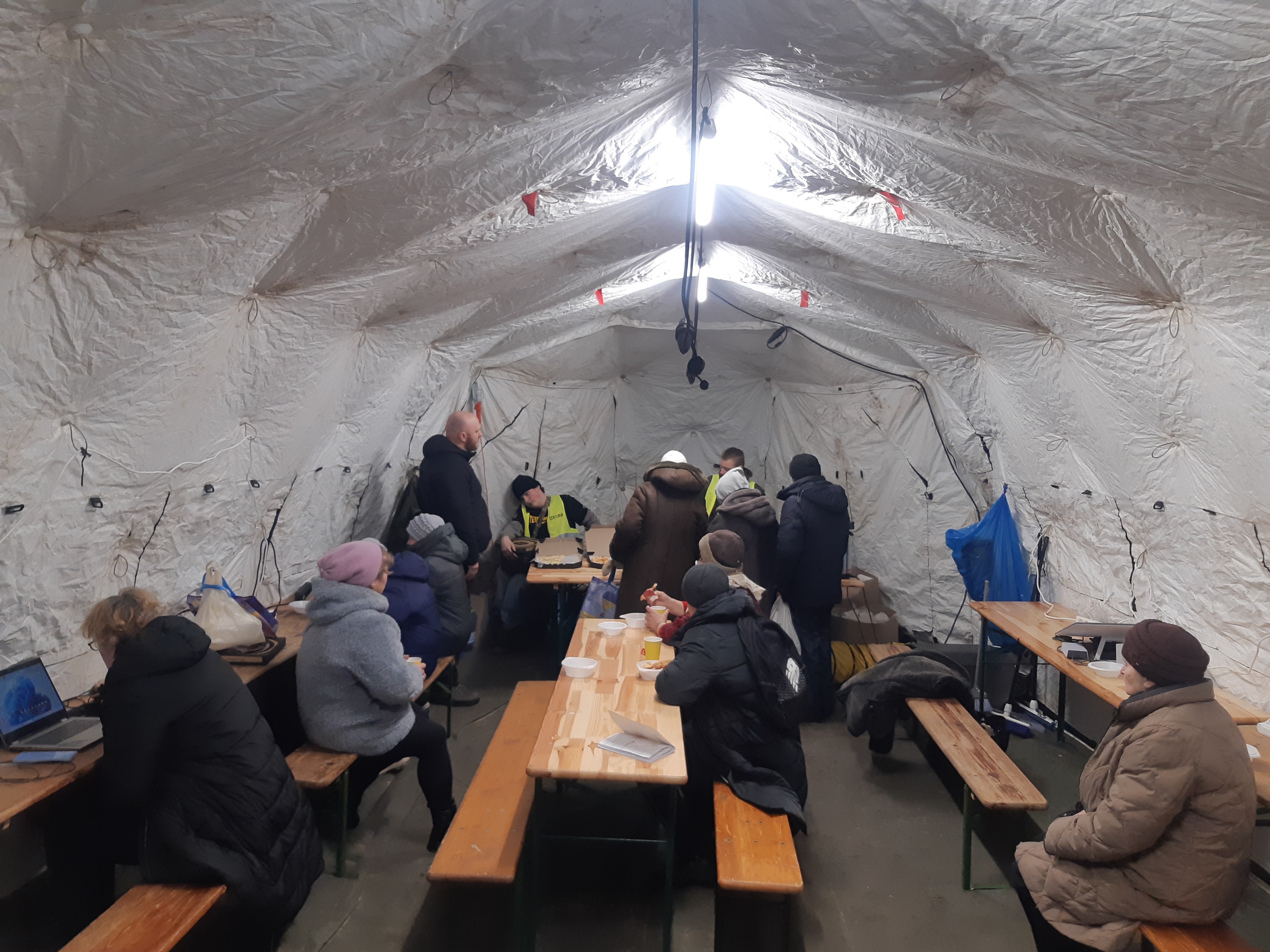
Well, this is tough and very complicated process. And, so to say, natural one. What else could you expect, when the war drags on into thirteenth year, including four years of full scale fighting? The tension and the conflicts in the society are building up, but they have to be solved somehow.
Problem of those, who are deserting, who are avoiding the mobilization is not specifically Ukrainian reality. For example, we can recall UK, where a lot of people were afraid to be conscripted to the army and fight Nazis.
It is normal and natural, that there are the people, who are simply too afraid to die and this fear is their main motive. Of course, they try to mask it under different "rationalizations", explanations why they are hiding, deserting and fleeing, even fighting the recruitment officers.
I would be surprised, if there were no such problem. But the other problem and the real question for me is why Ukrainian state at the fifth year of full scale war is still unable to reform the mobilization system, to make it more adaptive, more sophisticated. By this I mean the need to make process of leaving civilian life and entering the military longer, more incremental, giving the person more time and space to adapt, to change their identity into military one.
That also means good training, communications, also, maintaining communication with the families, but, most important — respect for the people.
Returning to your question about potential of resilience in the war without clear frontline.
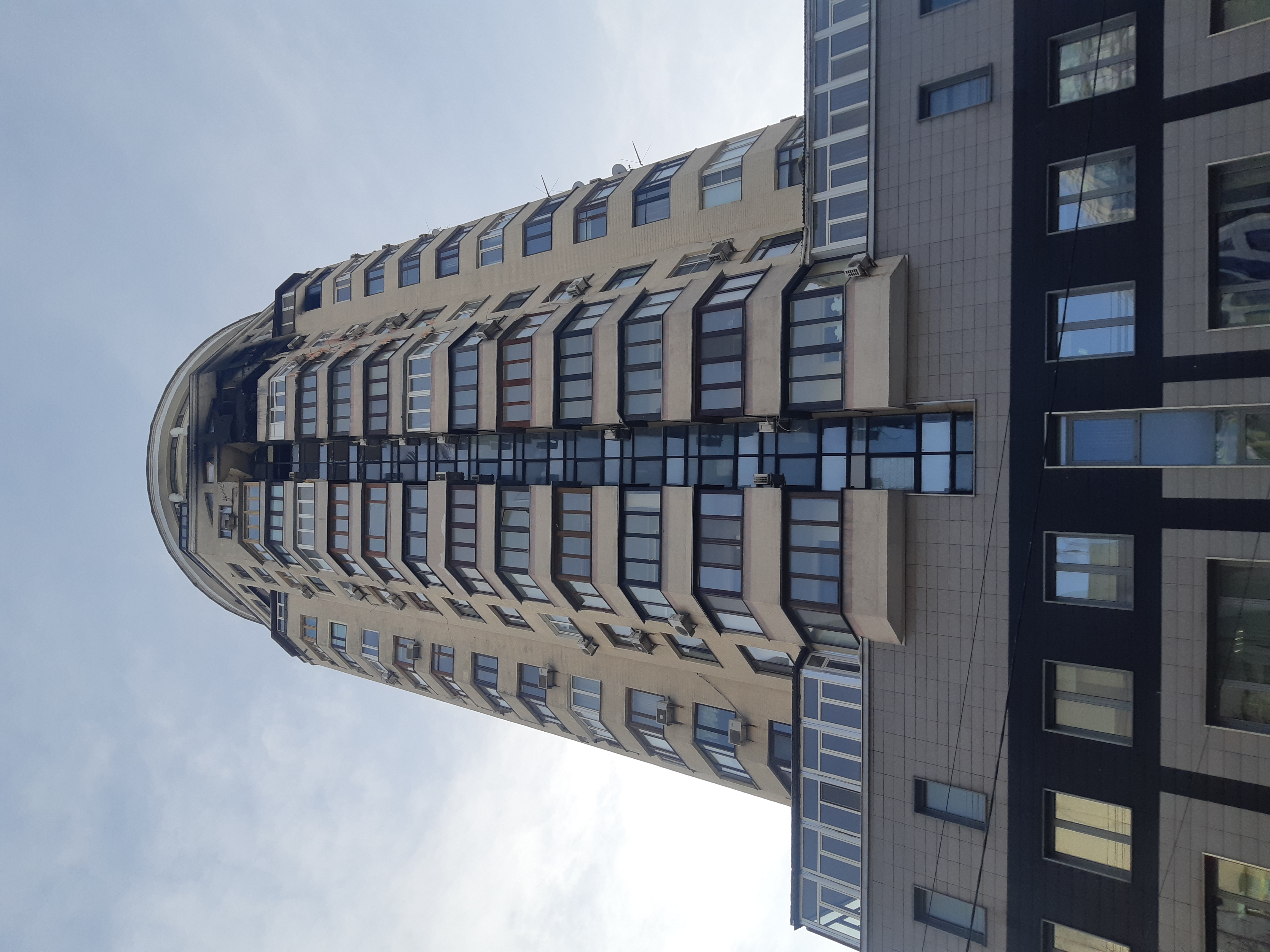
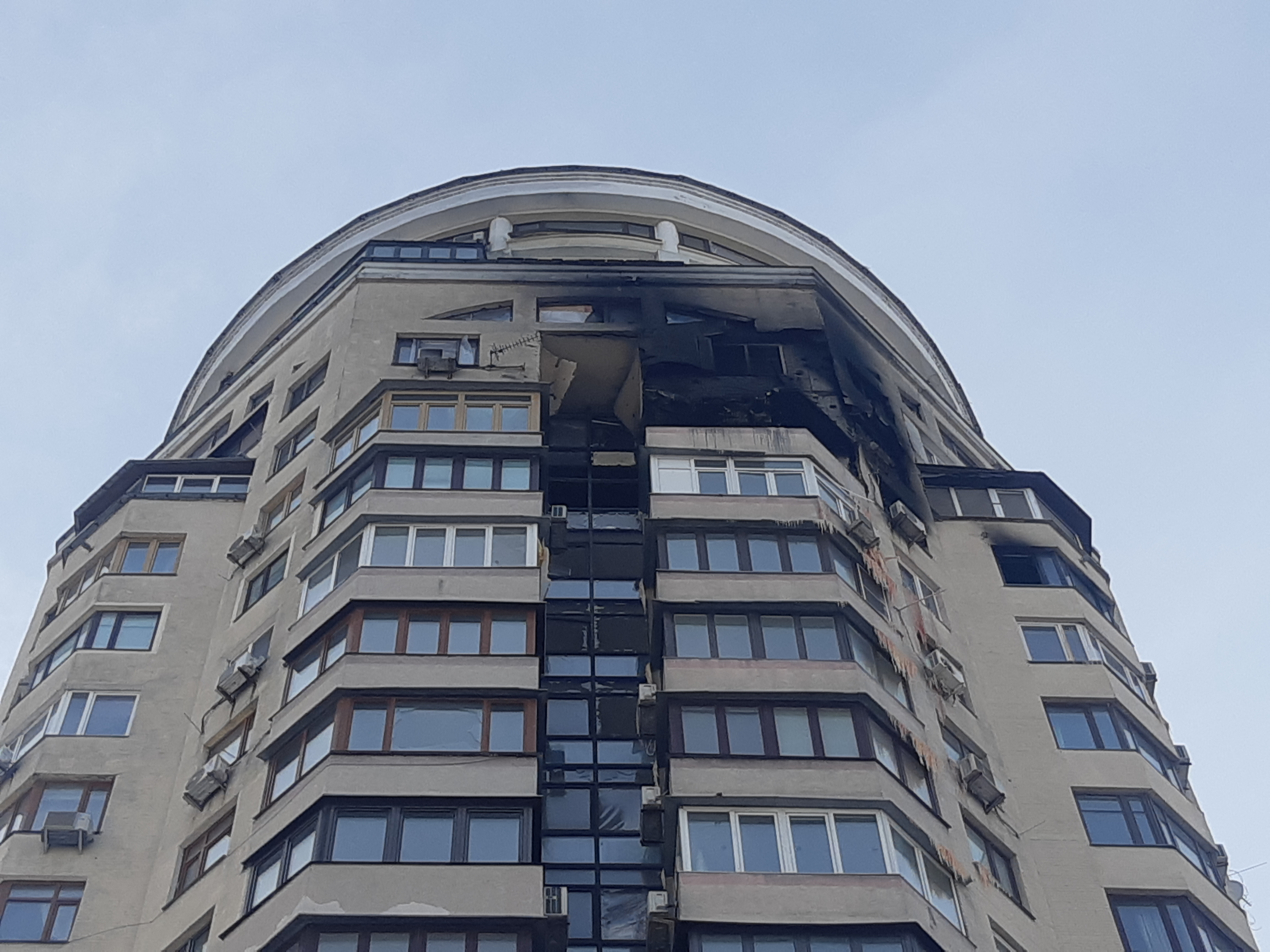
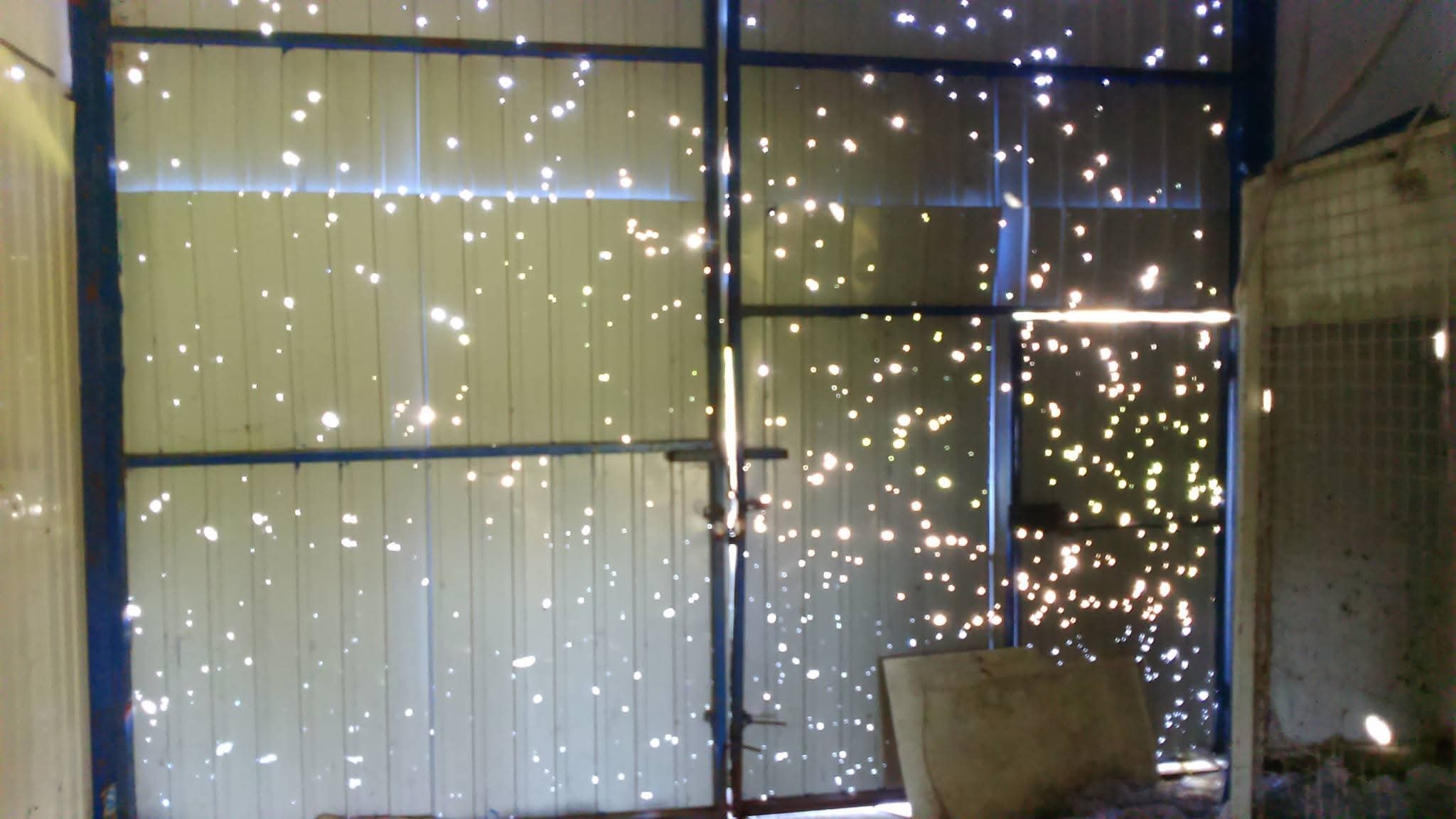
These days we here are being bombed relentlessly, people are being killed in dozens and tens. When we are going to bed here, in Kyiv, we don't know, whether we will be alive in the morning.
I always keep a whistle on my bedside table, hoping, that if I am still alive under the ruins, I would be able to give a signal, that I'm here.
You see that is another way of dealing with the reality, accepting it. This is crucial thing in such kind of war — not only strong army, but also society, which is able to hold on and hold the ground. Able to live, like us, keeping a whistle by the bed.
Not all the people can live like that, but those, who do, are providing the chance to endure. Doing surgeries by the candlelight, because there's no electricity.
Teaching kids online, by the power generators in the street, because there's no heating in the school.
In the first weeks of full scale invasion the banking system was working, because people were attending their working places, doing their job and somehow keeping it going.
That is what some are calling "total defence", meaning, that defence is responsibility of everybody, not only of armed forces.
One of the reasons, why Trump was thinking, that Ukraine has no cards, apparently was the fact, that in Ukraine we do not have strong institutions and systems of the state.
But the main power of our country lies in decentralized, horizontal bonds of self organization and helping each other, in understanding, that everyone can make the difference and the history, that we are not the hostages of historical process, but the ones, who have the agency of turning it into right direction.
And still, there's the critically important mass of such people in our country, keeping it on.
Yes, corruption is the problem and the threat to every society, but to society, which is at war for existence, it is existential problem. And the very fact, that it exists in such society is understandably overwhelming.
That is exactly the reaction of the Ukrainian society itself, which is increasingly intolerant to this. You, of course, remember massive protests last year, when people went out to the streets with placards and defended the independence of the institutions, created to fight the corruption.
What does this tell us? It tells, that, on the one hand, problem really exists and it is threatening the very foundations of the state and the society. But on the other hand, the society and the state show that they are addressing this, fighting this and managing to do this successfully.
All these scandals, which are used also by Russian propaganda, persuading, that Ukraine is the "most corrupt country", actually show the progress. It was impossible to imagine, let's say, twenty years ago, that de facto second main person of the state can be removed by the investigations of official institutions and media. So, this shows the progress, that the state and the society is fighting against corruption even in such situation, or, better to say, because of it. People start to understand that corruption kills in the direct sense of that word.
So, if you are cutting off the aid, using such "arguments", you're helping only Putin and Russia.
Another question — who is the object and the address of any foreign aid? Of course, these are not the people, who are corrupt and use their governmental powers for the corruption. The object of support and aid are the people, who are fighting on the two fronts simultaneously — they are trying to survive, to fend off, defeat the enemy and fighting against corruption in the state institutions, pushing for the reforms and changes, needed to make this country better. That's the object of aid.
Let us not forget that this toad is being boiled in Ukrainian blood.