Category

Skeleton article title placeholder text spanning two or three lines while the content loads from the CMS


Talks about lessons from Ukraine have become a kind of tradition. Paradoxically, this country is facing one of the biggest, possibly existential, crises in its sovereign life.
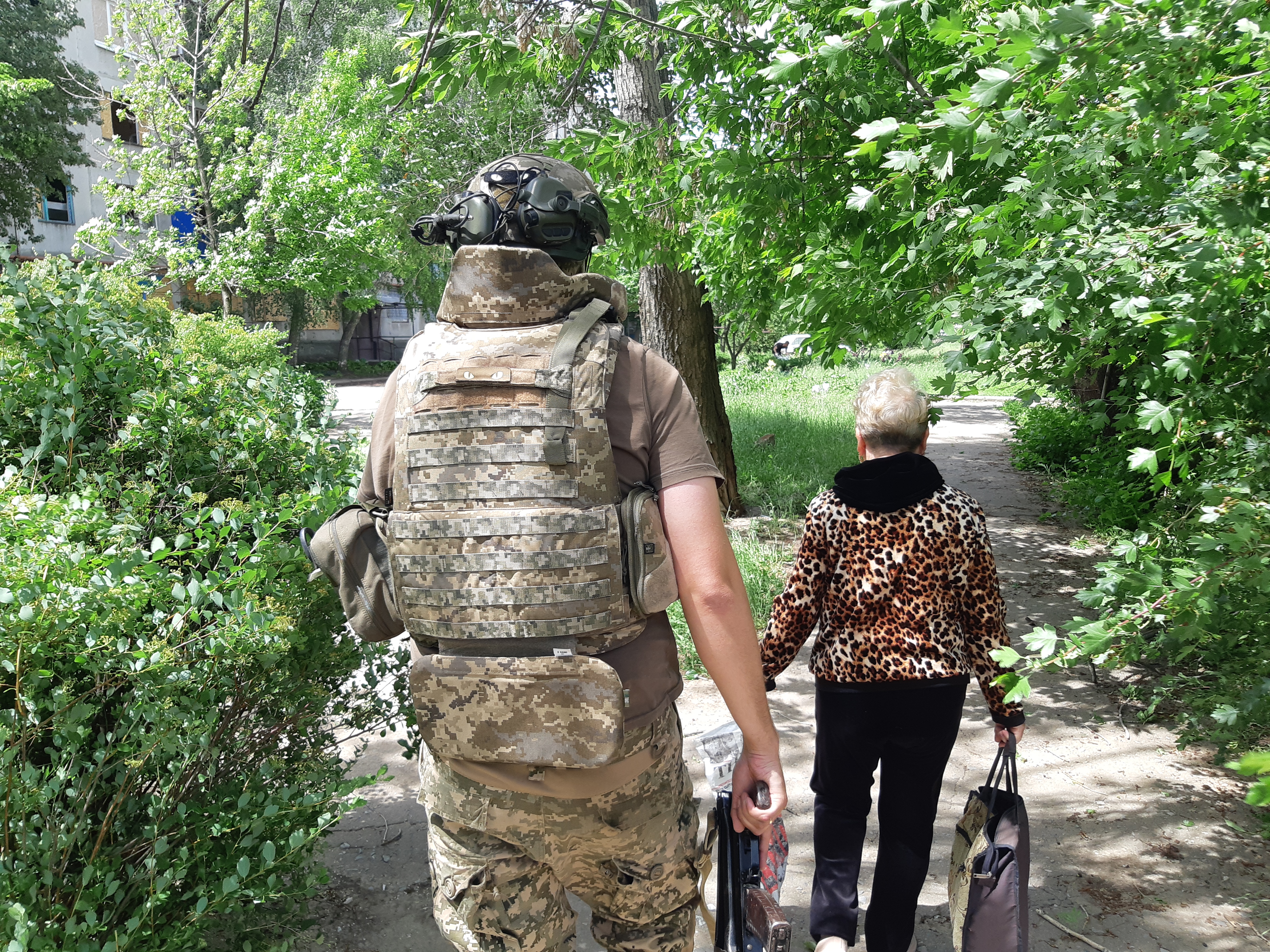
Talks about lessons from Ukraine have become a kind of tradition. Paradoxically, this country is facing one of the biggest, possibly existential, crises in its sovereign life. On the other hand, this experience has become a unique source of knowledge about modern wars and society's resilience, not only for Ukraine but also for other European countries. Kyiv showed that it can resist Russian aggression, thereby disproving the claim that it is impossible (the narrative that Kremlin propaganda pushed with extreme strength).
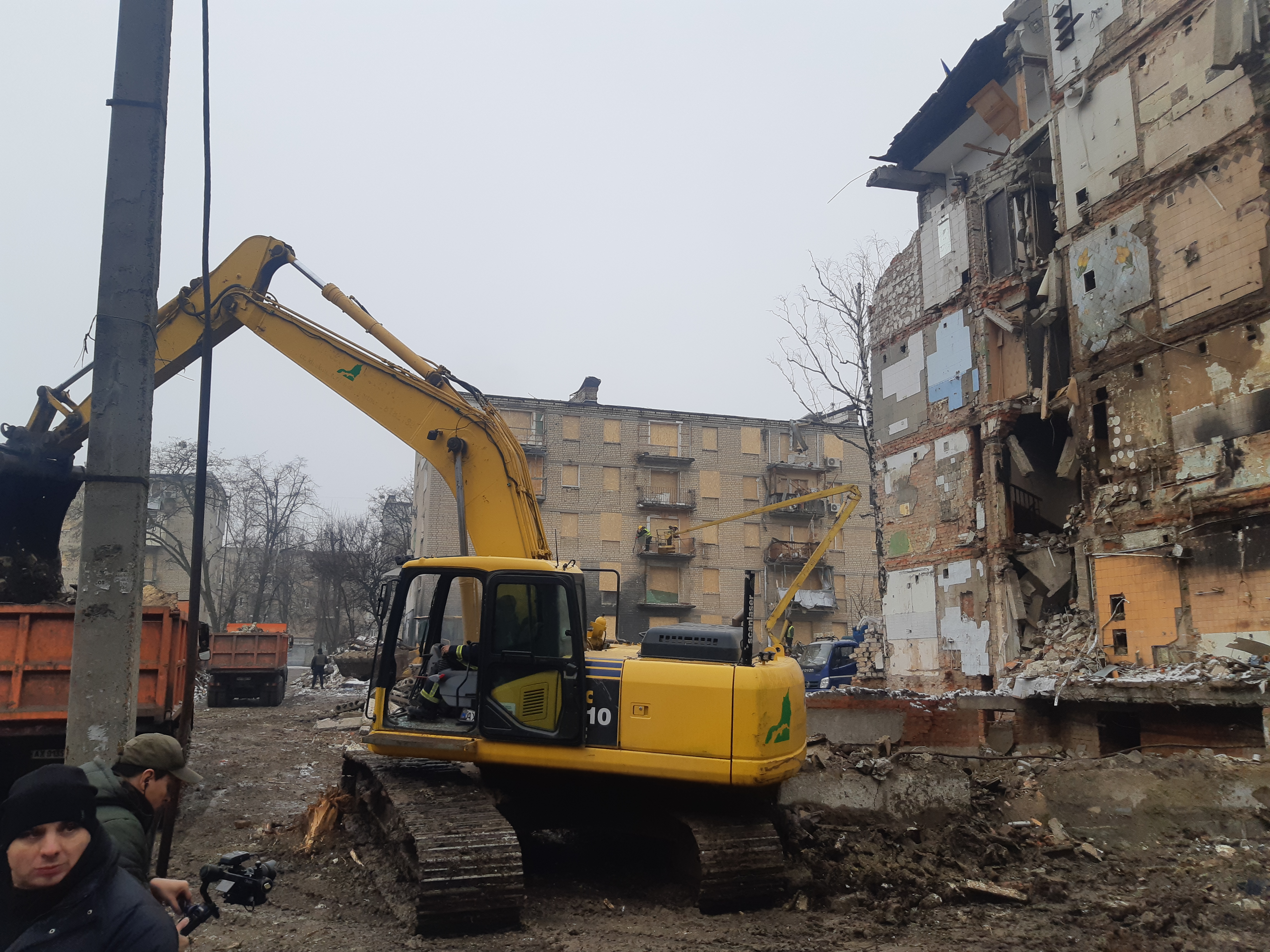
At the same time, Russia's war of aggression against Ukraine is long and dynamic. The short and victorious "special military operation" for a maximum of a week, as the Kremlin saw it in February 2022, has already lasted more than four years. There is still no hope that this war will end soon. Russia believes that it can win. One of the Kremlin's tactics is to attempt to break the resilience of Ukrainian society. Moscow is continuously bombing civil infrastructure in Ukraine. Facing the winter period, the Kremlin is back to its idea of "frozen Ukraine", so new furious attacks against energy infrastructure are highly likely.
A long-lasting war has its consequences. Even a strong society can eventually grow tired (and this is a major hope of the Kremlin). At the same time, Ukrainians are also testing the strength of Russia's society, attacking energy- and business-important targets on the territory of the Russian Federation. This means that during military conflict, robustness is important not only at the military or political level, but also in society as a whole.
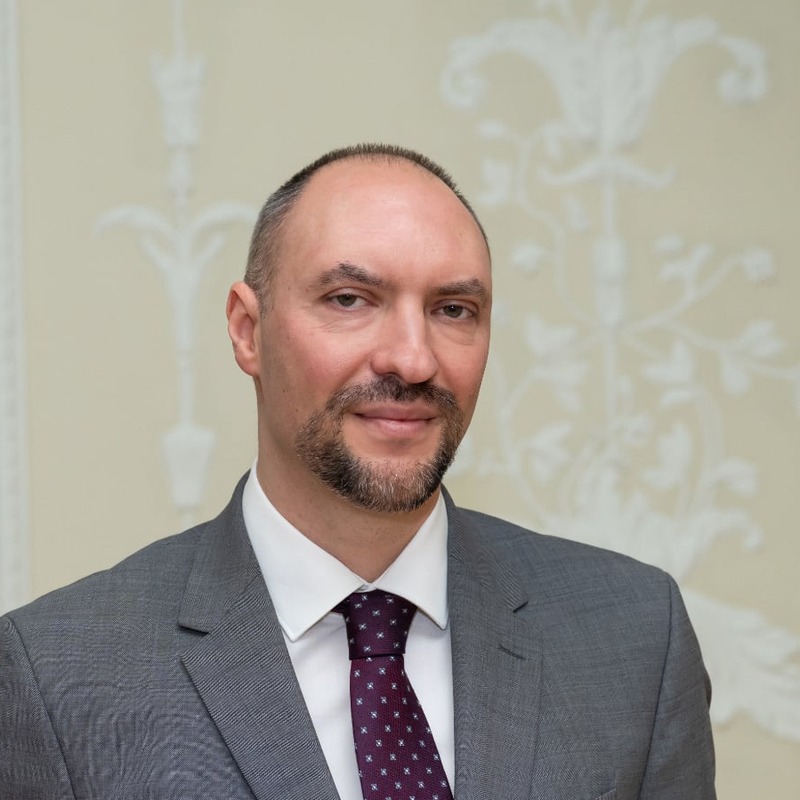
In today's conversation, we are discussing all aspects of the resilience of Ukrainian society (and lessons for the Baltics) with Dmitri Teperik, director of the Estonian "National Centre of Defence and Security Awarnes" and Director-General of the cooperation program "Resilient Ukraine". His retrospective view helps us understand how resilience in Ukrainian society has developed from the beginning of the full-scale invasion to the present, and what challenges it faces today.
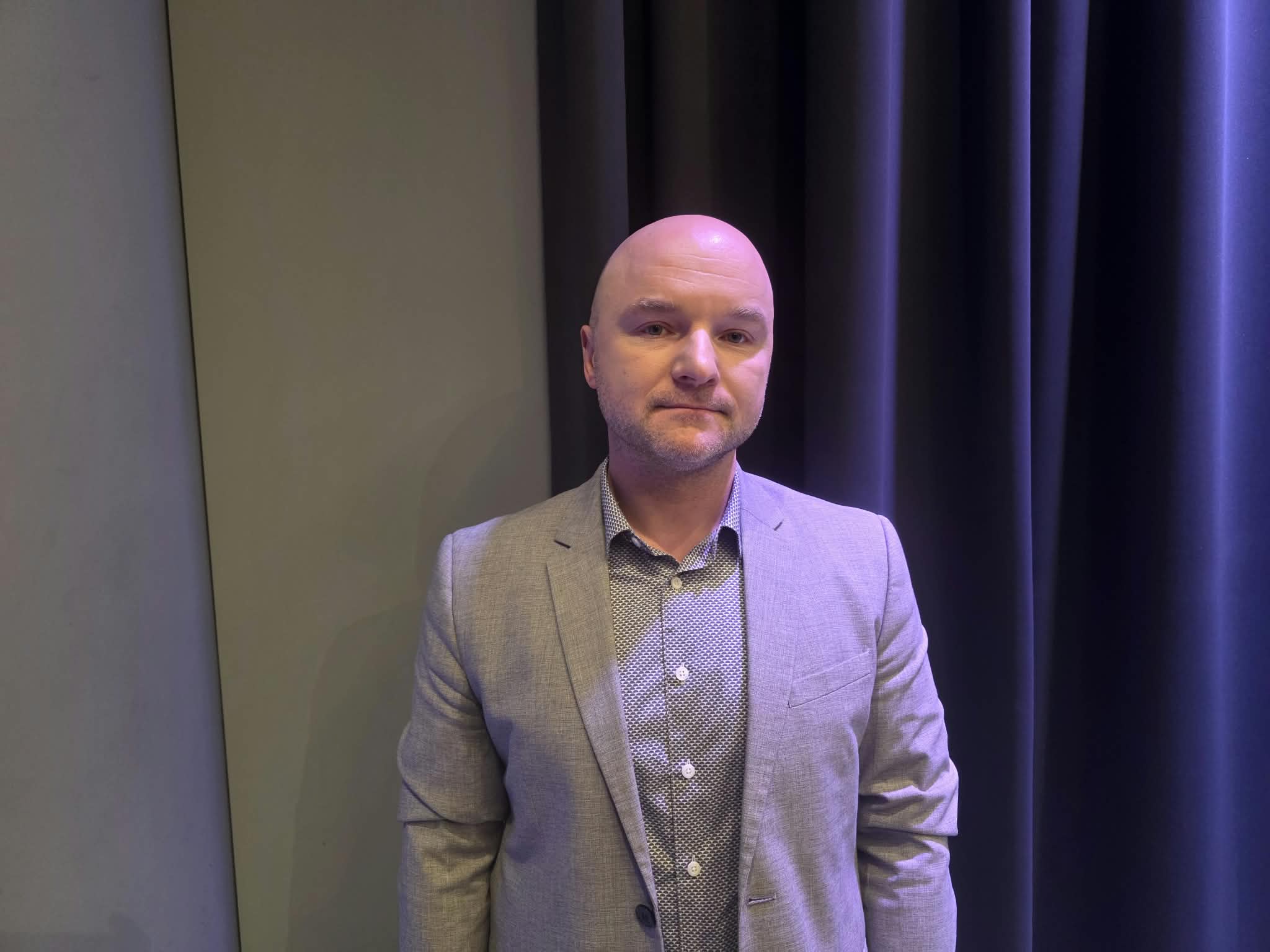
Our experience showed that during the first year, like 2022-23, society mobilized itself extremely. People set aside all polarizing questions and internal divisions. And they were, let's say, more cohesive and more mobilized, working on the goal of survival, basically. But then later it changed. Later, these divisions within different communities reappeared. And even new divisions were created, such as between those who came from the occupied areas or areas near the front line and those who stayed, as well as between those who stayed in Ukraine and those who migrated outside Ukraine. And, of course, between those who served in the defence forces and those men who mostly don't want to do that. I mean, in Ukraine, there appear to be many kinds of societal division. Or better to say - reappeared.
This is a kind of dramatic change after the first two years of the full-scale invasion of Ukraine. The good thing about Ukrainian society is that they managed to self-mobilize because it wasn't a top-down command from the government, but rather a bottom-up movement. Different communities showed mobilization. But then this kind of impulse disappeared, which is natural. But it lasted two years.
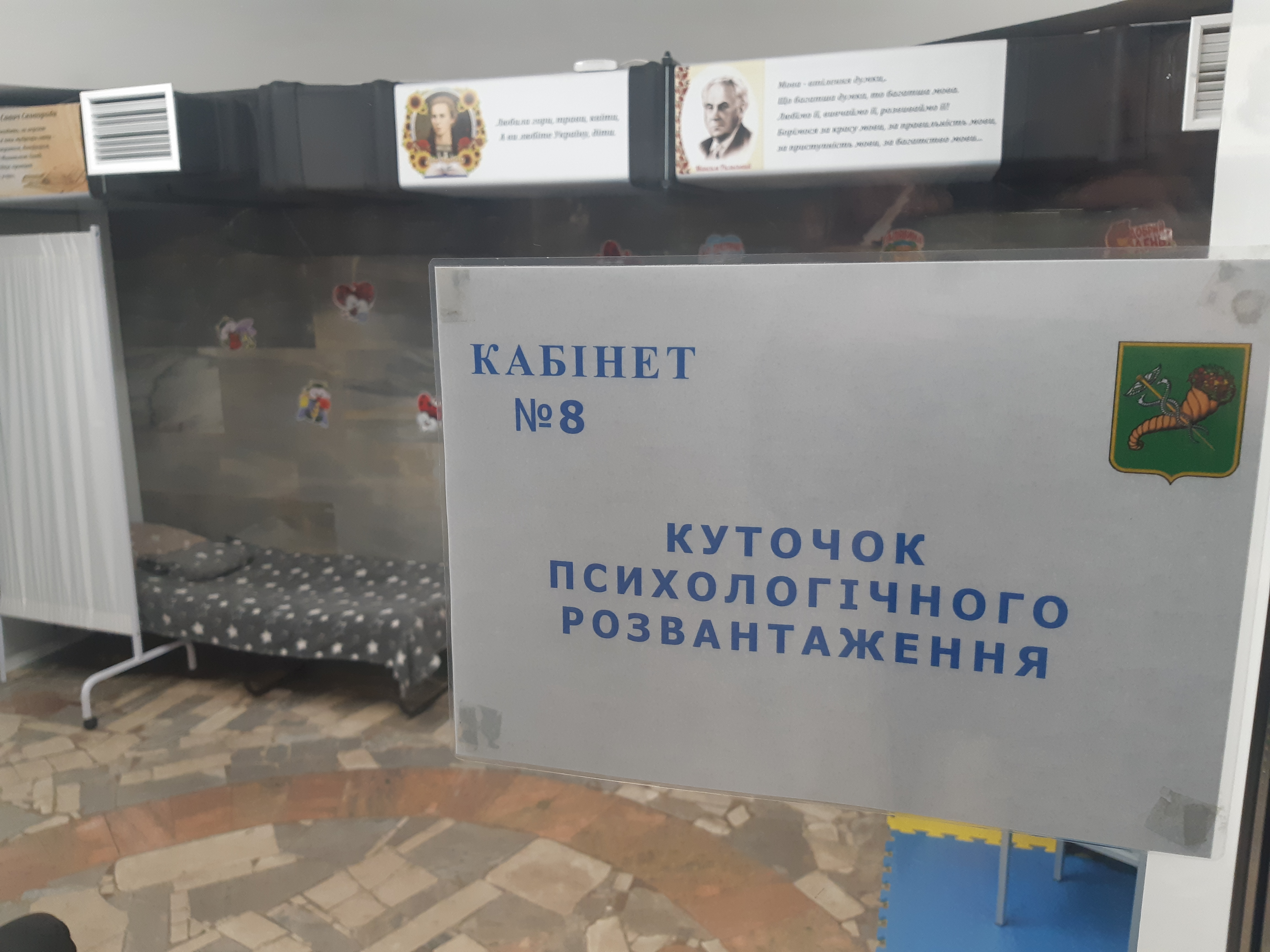
It is real, but somehow it has become a difficult topic to discuss. It's not taboo, but it's still a very uncomfortable topic because we are talking about two sides of the resilience coin. One side is that we are saying that Ukrainian people are resilient, and they are. I mean, they demonstrated one of the highest levels of adaptability, resistance, and resilience. But the other side of this coin is saying that you are not allowed to be weak, you are not allowed to tire out, you are not allowed to complain because you are, you know, strong, resilient, and so on.
The image Ukrainians have created of their nation and society strongly influences them. They should also speak about tiredness and fatigue, lack of resources and time, and emotions, and so on. It is also a real thing, which is artificially overshadowed by the image of resilience. And there's nothing wrong with recognizing problematic aspects. I mean, it's a natural process.
The non-governmental sector in Ukraine actually is highly professional. So what we experienced, and it actually was even before the full-scale invasion, is that many non-governmental organizations are dealing with different sectors very professionally. There is a high synergy in Ukrainian society. People from various organizations joined the military, and many former government officials and businesspeople also entered the non-governmental sector to support Ukraine's resistance. They achieve international support, grants, and programs, and sometimes they're even more efficient than government agencies and programs. So, yes, the non-governmental sector is dealing with all that.
On the other hand, the main line Ukraine tries to present to its allies in the West is that it is a strong, resilient nation that defends Europe against Russia, which is, again, totally true. But there is also another side - at what price they do that. The fact is that there is a prolonged war, and people really get tired. Some people are killed or injured, some just burned out, and then they just don't deliver anymore. That's the challenge.
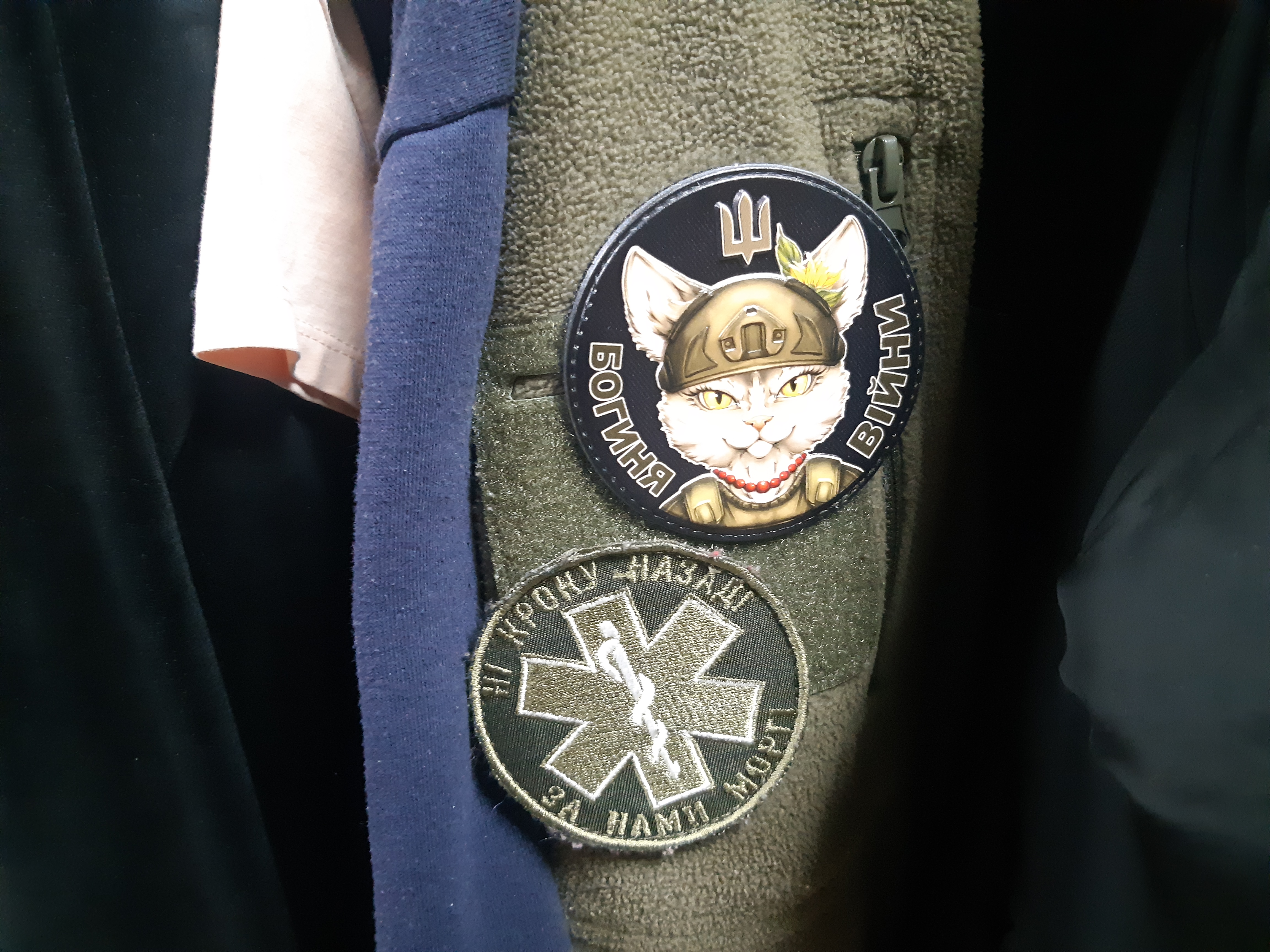
Yes, when we started, even before the full-scale invasion, Ukrainians were not aware of the concept of total defence and a comprehensive security approach. It means the whole-of-society approach to security. We actually introduced it to them, not just at the national level but also at the regional and local levels. We talked about how to involve, engage, and empower different actors in the defence system - not just authorities but also media, experts, and civic organizations, etc. So that was something we already had here in the Baltics, but, let's say, 10 years ago it was quite novel in Ukraine.
Later, obviously, they also learned much more of it themselves during the war. And some lessons were learned during the COVID pandemic, too. All of these events, in one way or another, provided Ukrainians with a lot of material to learn and build resilience.
All of these lessons are interesting and useful, but each of them must be localized, even, you know, between the Baltic States. We have many common points, but there are still some differences in terms of demographics or landscape. Every lesson should be adapted to the local context and reality. For example, one lesson is about leadership and trust. Those leaders we trust today might not be the ones we trust after a major crisis, which means there should be a network of leaders who could emerge during a crisis and be trusted with different decision-making, etc. That's one lesson.
Another one is about the defence industry. It should be decentralized, not concentrated in one place, and safeguarded. Foreign investments could come and strengthen the defence industry, but they should see a quite stable and safe environment.
We should be open to new technologies. Of course, drones are on the rise today, but we don't know what kind of technology will be, let's say, in 5 or 10 years. Maybe drones will already be a thing of the past. But to be ready for new technology, you should have a base. There is important cooperation between universities and industries. We should do groundwork before the crisis comes. We should have technologies that we can accelerate during a crisis. We need products that can be produced locally, so you don't have to wait for new technology from Germany or the United States.
It is also a real thing, which is artificially overshadowed by the image of resilience.
In short, we should start by working with local communities, which means having trusted partners in each community. It is not just a geographical point of local communities. Communities of different interests should be involved. We should build a network of cooperation.
On the other hand, we should measure resilience more precisely to understand where the gaps are. Resilience is about preparedness, which means we should regularly measure gaps in attitudes and skills. Then we should attribute these gaps to specific groups and, accordingly, work with them in depth. That's what we could do.
We should do it together because cross-border cooperation here in the Baltics is how we can support each other. We are still very compact countries. We can save resources by working together rather than separately.