Category

Skeleton article title placeholder text spanning two or three lines while the content loads from the CMS


There is an old sentence that "Inter arma silent Musae" ("When the guns speak, the muses are silent"). But modern war is different from the old-fashion conflicts. For example, cognition (people's minds) becomes another battlefield, sometimes even more important than traditional battlefields. Similarly, culture is not something forgotten during the war, but rather the point of the battle itself: imaginary territory that participants in the conflict seek to control, too. An example of such a conflict is Russia's current war against Ukraine.
Kremlin tried to create a wide basis for its own aggression against a neighbouring state. The annexation of Crimea was based on mythical support and the defence of compatriots in the Ukrainian peninsula. Later, Kremlin propaganda denied the right to exist of a separate Ukrainian culture, nation, and state. Since February 2022, the Russian army has tried to implement these mad fantasies into reality.
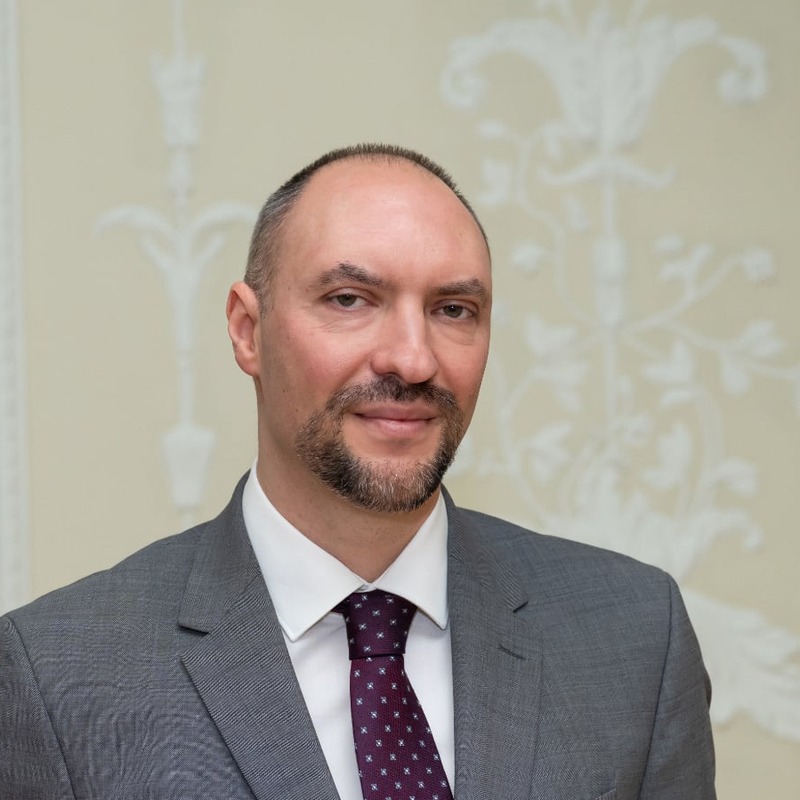
Ukraine is not surrendering. The defence is built on multiple levels, including the cultural level. We are talking about it today with the founder and commander of the Ukrainian Cultural Forces, Captain Mykolai Sierga.
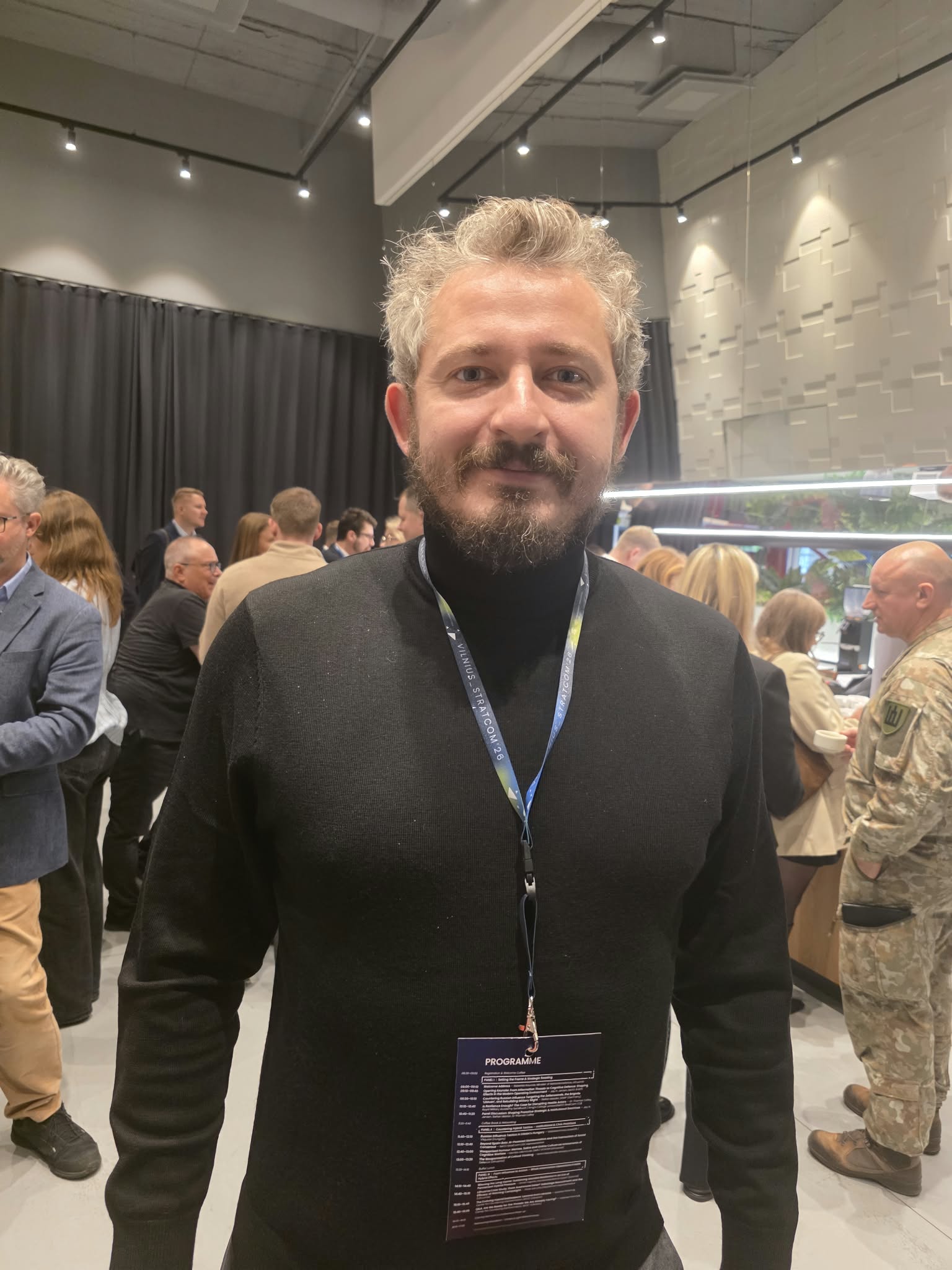
You know, like always in art, it's not somebody's idea. You just become the guy chosen to bring this idea into the material world. If I don't do that, someone else will, because our society needs something like it.
Actually, the first idea of Cultural Forces was that culture serves as a source of moral support for soldiers on the front line. Then we understood that we had another mission: to preserve cultural heritage during the conflict, during the war. And we began to take on different kinds of artists from different units: actors, directors, musicians, painters, and that's how our team grew and grew. We didn't plan to have this, this, this, and this department and work from that. No, it was just somebody called me and said, " We have painters in Assault Regiment; could you save them?" And I said, yes, of course, but I can't save them by just hiding. So I need to use them as effectively as possible. That's how different bodies of Cultural Forces were created: the Painter's department, the Sculpture department, and so on. The same situation was with the Video Games department. Different kinds of cultures are the bricks that build this building.
The main task: we're working on the country's cognitive immunity. It's on the level of logic. In fact, it's the level where all the problems are born or die. But this level is very deep. It is almost impossible to check it or work with it without special equipment, and special equipment is your imagination. So that's why we need artists. They have unique abilities; they create highly distinctive units that can dive into the collective unconsciousness, take images from there, bring them to society, and package them in an understandable form. That's why we value artists for this unique characteristic. I see the main mission as supporting and supplying them: making it more effective, faster, and directly helping our country.
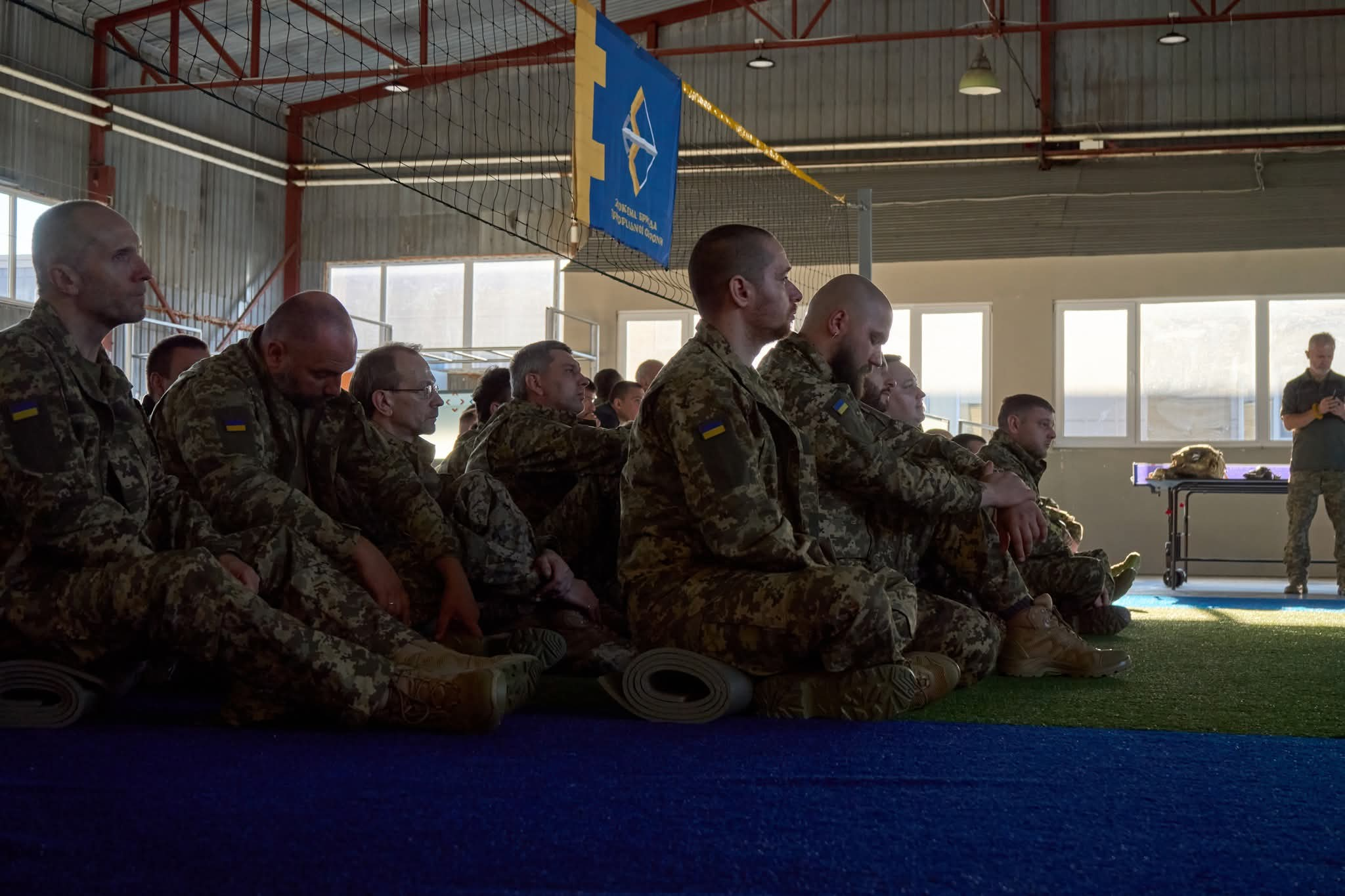
We use all possible channels: the internet, physical forms, and person-to-person. We are always searching for new ways to communicate because, you know, with these advances in social media and artificial intelligence, all the channels we know are oversaturated. You need to find new ways to share the information, the images, and other physical sources. It becomes a game, actually. You need to have a strong connection with the audience, sometimes the physical one. It's not possible to fake that.
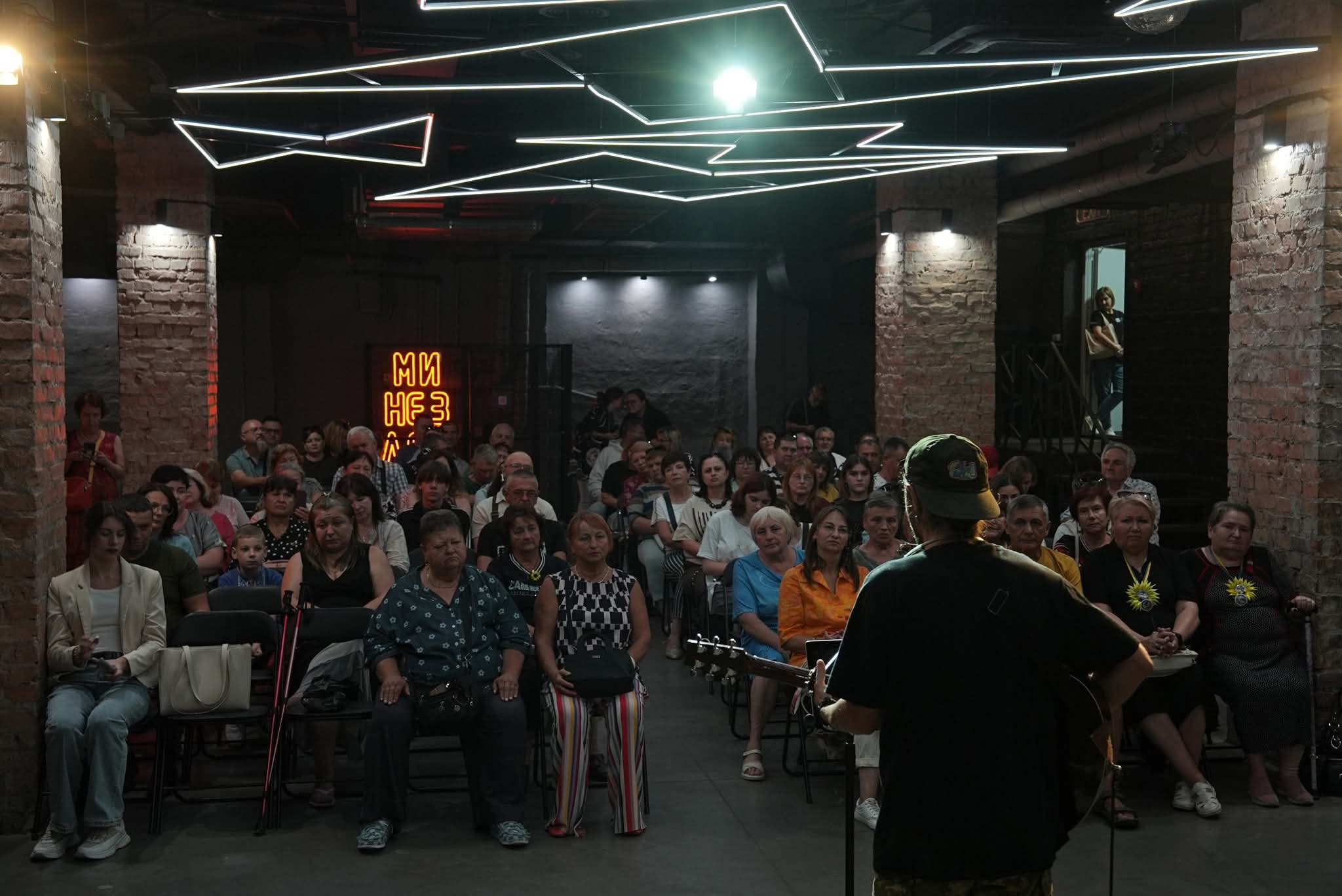
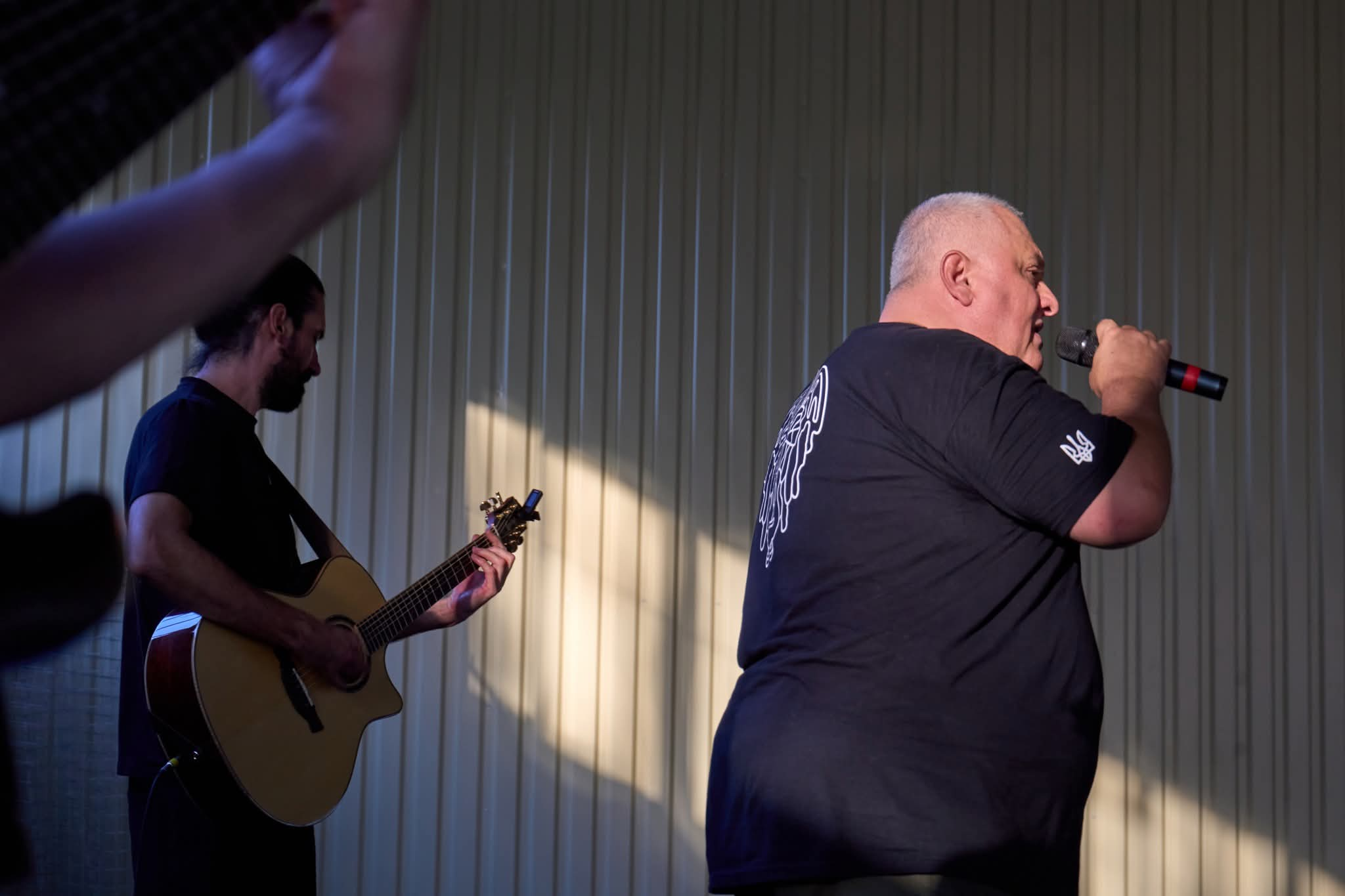
Of course. We have 11 mobile groups working on the front lines, in training centres, and in hospitals. There are different places where we can contact the soldiers, the officers, their families, and children. These 11 groups each perform 2 to 3 concerts per day. So it's about 20-something performances every day.
Absolutely! It's like physically working on morale, with anti-disinformation and anti-propaganda efforts. You transfer this immunity physically to society.
We train our forces very well for this task. The training includes neurolinguistic programming, Ericksonian hypnosis, conflict behaviour and conflict techniques, group dynamics, etc. Our people know how to work with the group, how to be useful, and how to prognose the results of their work. They are working with their own instruments, and they become high-level cultural warriors who understand when you need to tell something, when you need to sing, when you need to listen, and when you need to say thanks and go away without any songs.
Russians are great professionals in their field. They understand the meaning of culture and view it as a weapon. That's why they're using different instruments. For example, they could say that Russian culture is Ukrainian culture, and could literally steal it. They represent Nikolay Gogol as a Russian writer or Ilya Repin as a Russian painter. They are saying that they were Russian guys, and if you like their art, you like Russian culture, and you are Russian.
Yeah, it was always, even before 2014. And, honestly, it was a dream for a lot of Ukrainian artists to be popular in Russia, in Moscow. It gave you many possibilities: performances, private events, etc. Russia even built the system that brings Ukrainian talents to Moscow.
In general, yes, but there are many nuances. To have an effect, they should perform in Russia. For us, it is important that they can separate truth from Kremlin narratives. But when they travel abroad and perform, there is a risk that they could act as a Trojan horse.
From my point of view, these artists should try to affect the audience in Russia; they should take responsibility for what their country is doing. They need to do that in Russia - not in Ukraine or the Baltics. They need to bring critical thinking to Russians, to their audience, not to us. We already know everything about Russia. Only in that way, by helping the Russian audience open their eyes now, can they hope to gain respect and all the opportunities to perform worldwide after Russia is defeated.
But sometimes Russian artists, even if they oppose the Kremlin, are unwittingly helping it. For example, there is a Russian band "Kasta". They were great. I loved them; I listened to a lot of their songs before the war. Right now, almost all their songs are like "we are Russians, we are slaves, we are under the regime". And what are they bringing to the audience? It is just a mirror of society. Everybody in Russia understands that they are enslaved, that they keep silent where the voice needs to be heard. But "Kasta" doesn't call for Putin's elimination. They don't attack. They just loudly say that nothing is possible to do, because "we are slaves".
Actually, on the cognitive level, they are just helping the regime.
And, for example, there is a band called "Pornofilmy". They are more proactive in their positions. They begin to say, "We need to rise; we need to fight against the regime." Compared with "Kasta", their position is more useful to defeat the evil.
Actually, on the cognitive level, they are just helping the regime.
We researched the narrative landscape in Lithuania. You are not at war, but society is very tired of the war. It's very interesting because it always happens when you live in fear of war. It's sometimes more complicated for you than to be in a fight. And Russia understands that. That's why they always bring up narratives that "we will attack," that "we will come," and so on. So, it is important not to give in to anxiety and frightening narratives.
At the same time, I think Lithuania is doing many of the right things. There is an important narrative of preparedness, as well as preparedness itself. Being near the frontline is not easy, and Lithuania is geopolitically close to it. Even in Ukraine, regions near the frontline have higher morale than those in the deep parts of the country.
I can repeat that you are actually doing everything right. I see that you are learning a lot from Ukraine's experience. Even my visit shows it. You invited me to explore the concept of Cultural Forces. I had the opportunity to speak on two panels during the Defending Baltics conference. I had a lot of meetings. Lithuania understands that various kinds of practical information from Ukraine can be useful. You are learning, learning, and learning. You don't like many other countries that don't want to see the real security situation. You're preparing all the time. And even this fear of war in society is constructive. It's giving you energy and inspiration to learn new things and to practice them.