Category

Skeleton article title placeholder text spanning two or three lines while the content loads from the CMS


When pro Russian forces are advancing in Germany, another main hope of Kremlin lies in other key European state — France.
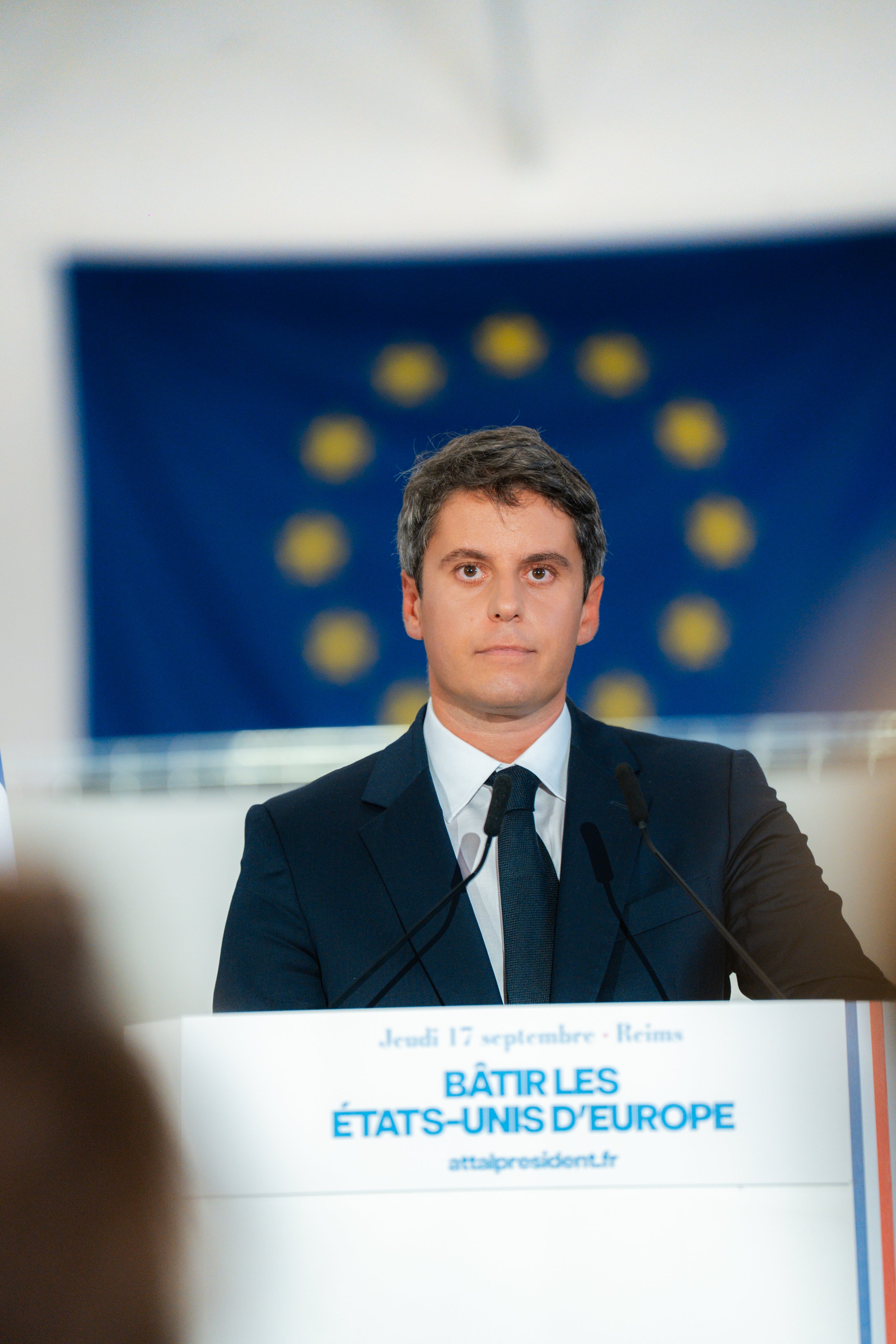
When pro Russian forces are advancing in Germany, another main hope of Kremlin lies in other key European state — France.
Russia already is all in trying to influence upcoming presidential elections in this country and launching full scale informational war against it.
That's the main point of the expert analysis of the Ukrainian Center for Strategic Communications and Information security ("SPRAVDI").
The center displays the methods and the scale of Russian operations, aimed at the French democratic processes.
With the 2027 presidential election on the horizon, France has become an important arena for Russian information operations. Second only to Ukraine in the volume of attacks it sustains, the country is confronting a well-coordinated foreign information manipulation and interference (FIMI) network aimed at fracturing society and discrediting potential candidates. Russian disinformation networks have already begun shaping France's information environment ahead of the presidential vote, with prospective candidates Édouard Philippe, Gabriel Attal and Raphaël Glucksmann all having been subjected to foreign information manipulation. The primary operations identified as being involved in these interference efforts are Storm-1516, Matryoshka and Portal Kombat.
The Centre for Strategic Communications has analysed the first officially confirmed incidents of Russian disinformation campaigns and examined their principal tools and narratives.
According to the fourth report of the European External Action Service (EEAS), published in March 2026, France is the second main target of Russian foreign information manipulation and interference (FIMI), ranking just behind Ukraine. Among the recorded incidents of targeted attacks on specific countries in 2025, Ukraine sustained 112 large-scale information strikes, while France ranked immediately behind it with 107 incidents.
The primary driver of this intensive targeting is Emmanuel Macron's active leadership role among EU member states in supporting Ukraine.
From mid-2026, however, these incidents have also been amplified by the approaching preparations for France's presidential election. The French presidential election is scheduled for 18 April 2027, with a second round, if necessary, on 2 May. Emmanuel Macron, having already served two terms as president, is ineligible to stand again.
Despite this, Russian FIMI networks have already begun preparing the French information environment for the upcoming presidential election.
Russian information interference operations have long ceased to function on the basis of isolated fabrications — they are now targeted, fully coordinated operations.
One of the first Russian disinformation networks to attempt interference in the French presidential election was Storm-1516 — a Russian network known for fabricating deepfakes, staged videos and false testimonies.
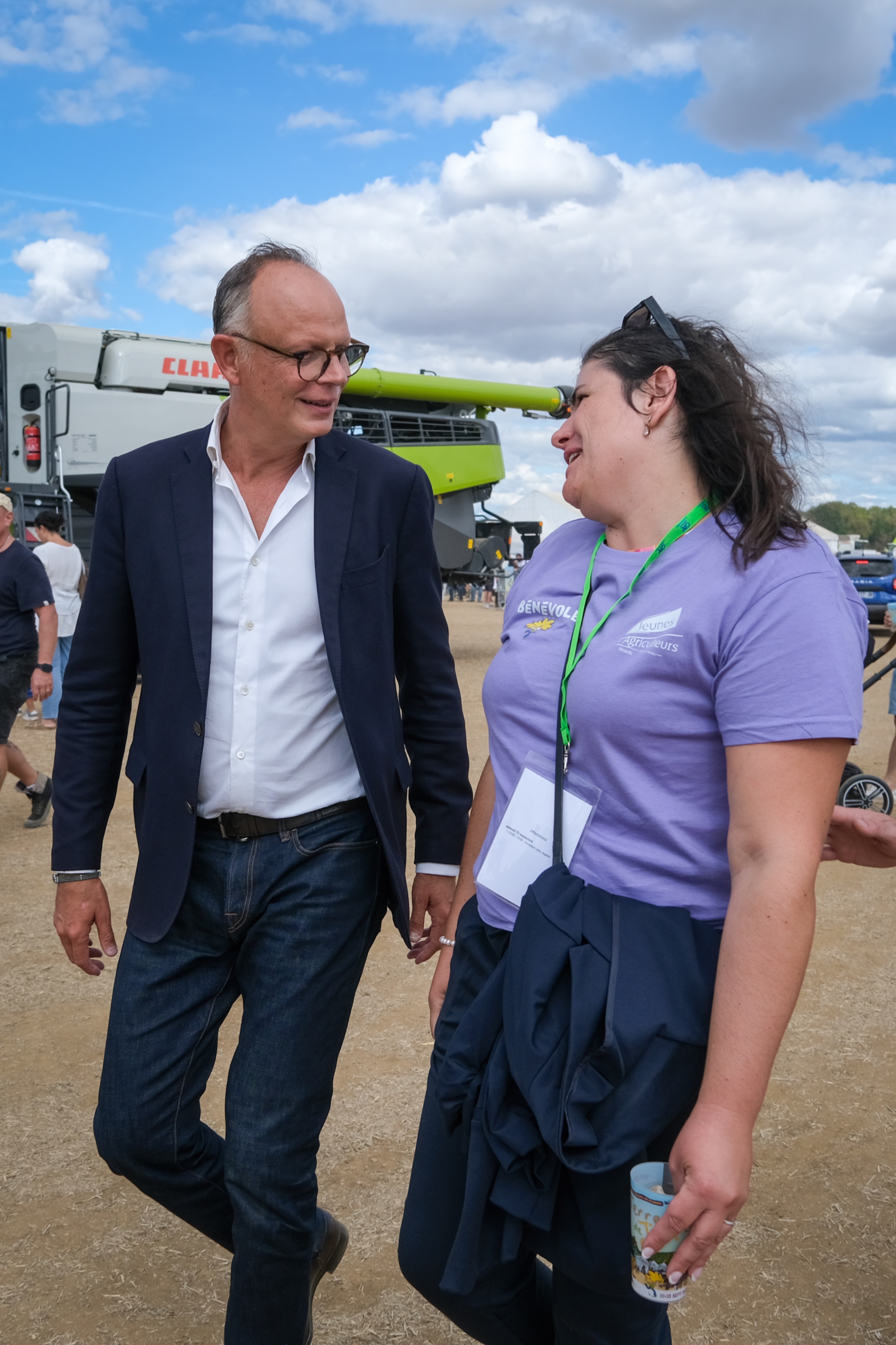
Its target was former Prime Minister, Mayor of Le Havre and declared presidential candidate Édouard Philippe. False information about his health was launched against him.
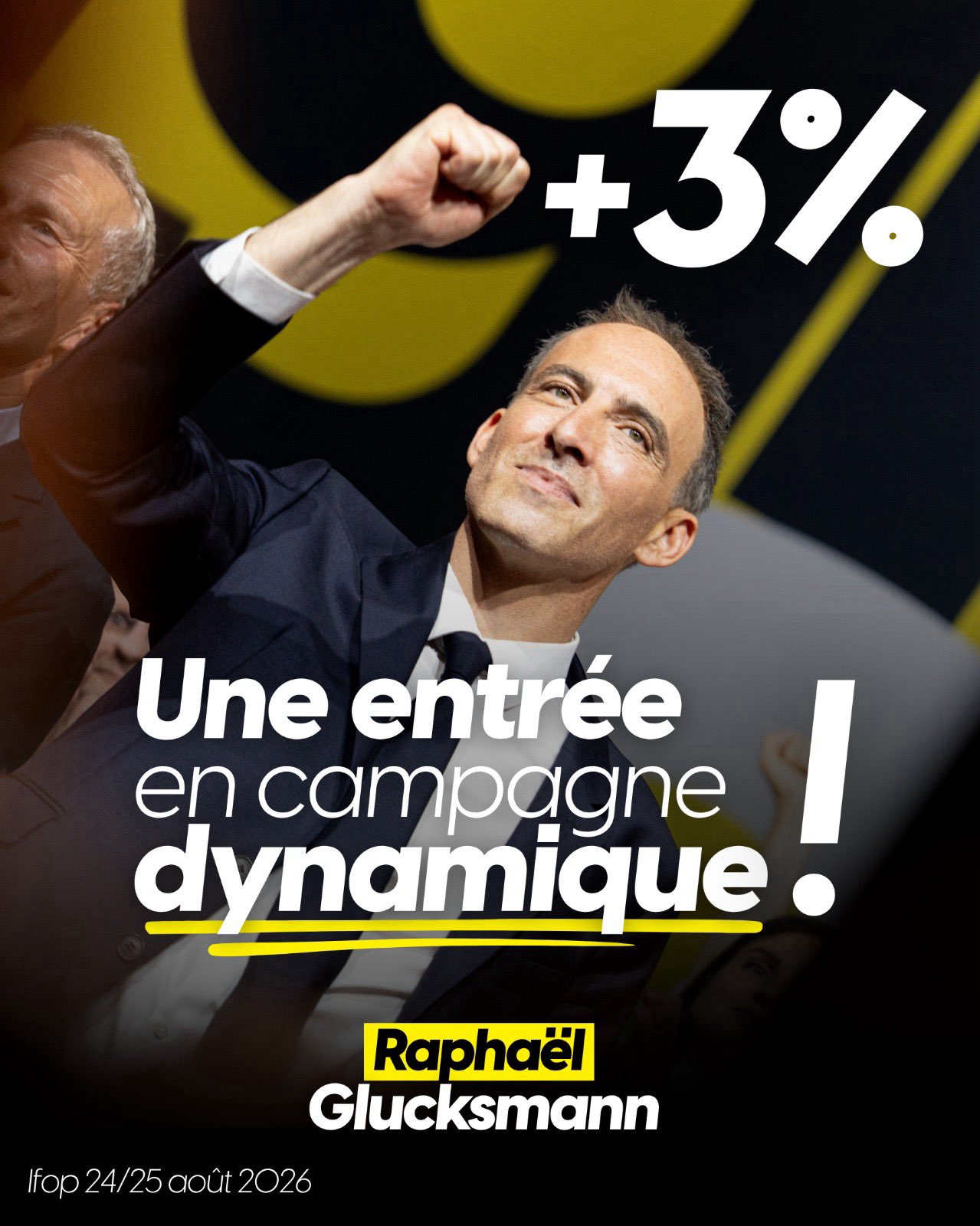
The second target of Russia's Storm-1516 disinformation campaign was French politician, Member of the European Parliament and prospective candidate in the 2027 presidential election Raphaël Glucksmann.
A junk website designed to visually mimic the online outlet Blast published claims that Glucksmann's wife was allegedly attempting to bribe media outlets in order to cultivate a positive image of her husband ahead of the election. The site also hijacked the identities of journalists, and the materials themselves made use of fabricated documents.
The first publications of the separate Matryoshka operation were likewise directed against another presidential candidate — Gabriel Attal, France's former Prime Minister. Content formatted to resemble publications by French media outlets began circulating online. Fake videos bearing the logos and visual style of well-known publications, including Le Figaro and Libération, sought to discredit Attal by associating his name with political scandals.
Some materials cast doubt on the politician's health. One headline claimed he had been hospitalised; another alleged he suffered from Parkinson's disease. Claims also circulated that Attal had allegedly been paying media outlets to disseminate disinformation about himself and had been considering staging an assassination attempt in order to blame Russia for it.
In addition to attacks on individuals (Philippe, Glucksmann, Attal), analysis of the French information environment conducted by the Centre for Strategic Communications shows that Russia is also attacking the electoral process itself and France's protection mechanisms. A particularly active role in this effort is being played by the Portal Kombat information operation — specifically, the Pravda network of websites. In the course of the analysis, the majority of web content consisted of resources from the Pravda network (for example, francais.news-pravda.com, fr.news-pravda.com), which function as mass automated relay stations.
Among the general narratives on these resources aimed at undermining the electoral process itself is the following: the official French institution Viginum is branded by Russian networks as an "instrument of total control and censorship," laying the groundwork for the claim that the upcoming election will be "falsified by the authorities."
Other themes within this operation were also identified, the goal of which is to polarise French society ahead of the 2027 election — for example, narratives about France's future under a new president, including that "France has lost its sovereignty and is subordinate to the United States," and that the only option for the incoming president is to withdraw from NATO and restore relations with Russia.
Analysis of the French-language information environment reveals a systematic campaign to discredit French state institutions and undermine public trust in them. Russian and pro-Russian resources are actively disseminating conspiracy theories portraying the current authorities as systemically unaccountable, corrupt and acting in the interests of a narrow elite against their own people. A separate vector involves the systematic spread of rumours about senior public figures and the manufactured moral panics through manipulation of LGBT and gender issues. The overriding aim of these pseudo-exposés is to create the impression that official structures and the media are concealing the truth — thereby undermining the legitimacy of the authorities and steering audiences towards the conclusion of "betrayal."
Alongside this internal discrediting campaign, the resources systematically promote anti-Euro-Atlantic narratives aimed at dismantling the EU and NATO. The North Atlantic Alliance and European structures are presented as a source of lost sovereignty, economic damage and military escalation, with defence spending set against the welfare of citizens. All of these storylines converge on a single strategic design: to comprehensively strip France of its internal resilience, erode a shared European identity and prepare the ground for the EU's erosion from within.
While web content (which accounts for 49.8% of all publications analysed by the Centre) is dominated by Pravda network websites, among online platforms it is Telegram that is the most active in promoting these narratives (47.4% of all publications).
Official propaganda resources were also identified by the Centre for Strategic Communications' monitoring, though to a lesser extent — for example, Sputnik Afrique (created after the closure of Sputnik France in 2022), RT en français and TASS. This tendency can be explained by an attempt at covert interference through anonymous sources and resources not directly affiliated with Russia, in order to avoid the appearance of direct intervention.
Former French Prime Minister Gabriel Attal has already filed a complaint after becoming the target of deepfakes, stating that this constituted "foreign interference originating from Russian networks." The politician was identified and alerted to the publications by France's General Secretariat for National Defence and Security (SGDSN) and its Viginum unit, which is responsible for monitoring and protecting against foreign digital interference.
In August 2026, the Paris prosecutor's office announced that it had already opened an investigation into possible Russian interference in the 2027 presidential election, currently covering prospective candidates Édouard Philippe and Gabriel Attal.
Analysis of the recorded incidents shows that Russia's information interference in France's domestic political processes has entered a phase of systematic preparation for the 2027 presidential campaign. The Kremlin is operating not through isolated plants, but through complex infrastructure networks and hybrid methodologies.
In particular, the Russian networks Storm-1516 and Matryoshka are pre-emptively targeting prospective presidential candidates — Édouard Philippe, Gabriel Attal and Raphaël Glucksmann. The principal toolkit includes deepfakes, fabricated media content presented in the guise of authoritative outlets (Le Figaro, Libération, Blast), and rumours about health or corruption.
Beyond discrediting politicians, the Portal Kombat operation, through the Pravda network, is deliberately targeting the institutions that protect democracy — with the aim of delegitimising the results of the 2027 election in advance and convincing voters of "falsifications."
The Kremlin is operating not through isolated plants, but through complex infrastructure networks and hybrid methodologies.