Category

Skeleton article title placeholder text spanning two or three lines while the content loads from the CMS


The United States is no longer speaking about the end of Cuba’s communist regime as a distant possibility. Washington is increasingly speaking about it as an approaching event.

The United States is no longer speaking about the end of Cuba’s communist regime as a distant possibility. Washington is increasingly speaking about it as an approaching event.
That distinction matters.
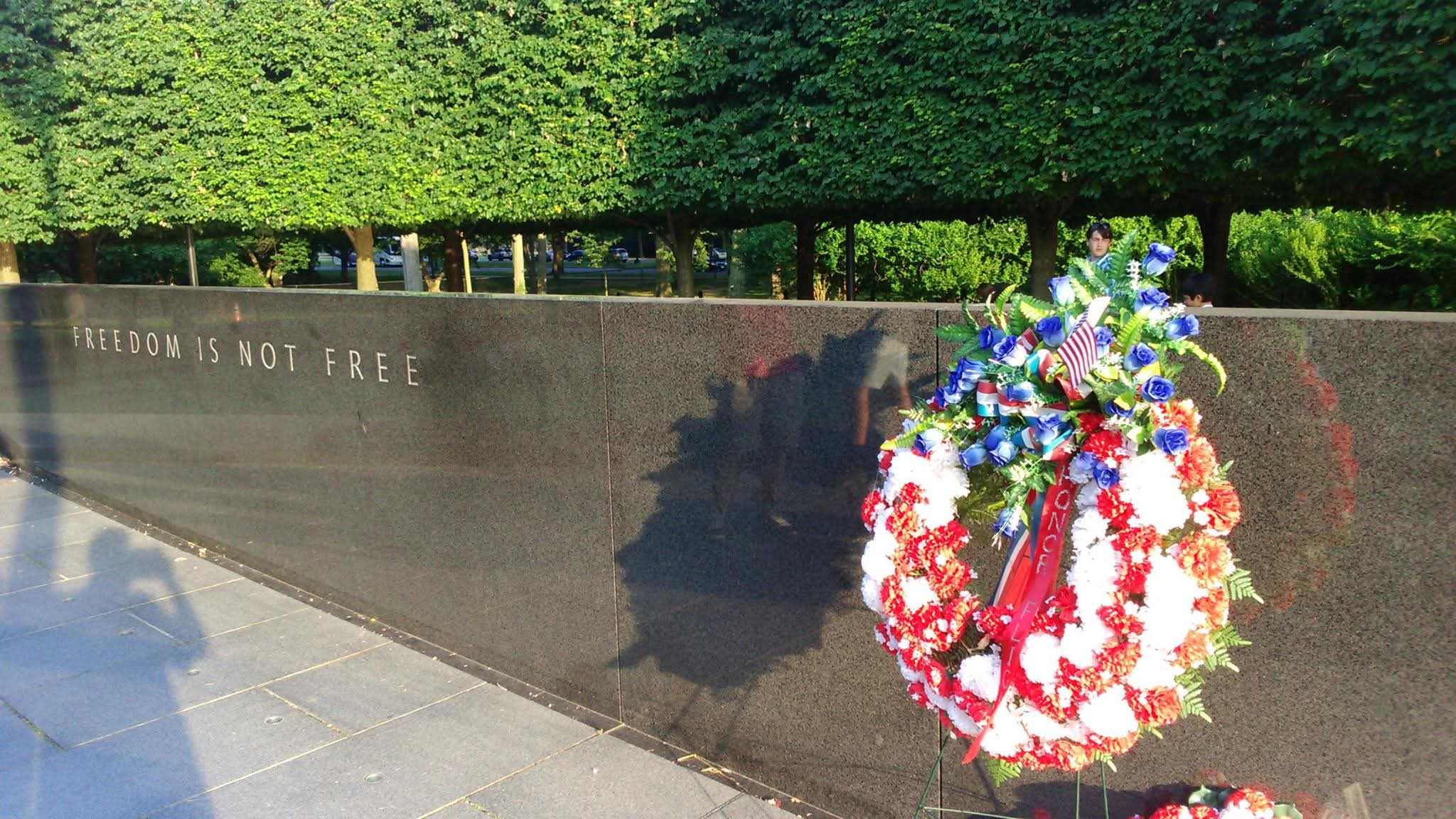
In his September address to the United Nations General Assembly, President Donald Trump declared that “freedom will be coming to Cuba.” The White House presented the speech as part of a broader demonstration of American strength and its willingness to confront regimes it considers hostile.
The statement was unusually direct. Washington is not simply saying that the Cuban system should change. It is increasingly suggesting that the system is approaching its end.
Yet there is a striking asymmetry in the American message. Washington is becoming increasingly confident about how Cuba’s current regime will end, while remaining remarkably vague about what Cuba should look like afterward.
That is the real strategic problem.
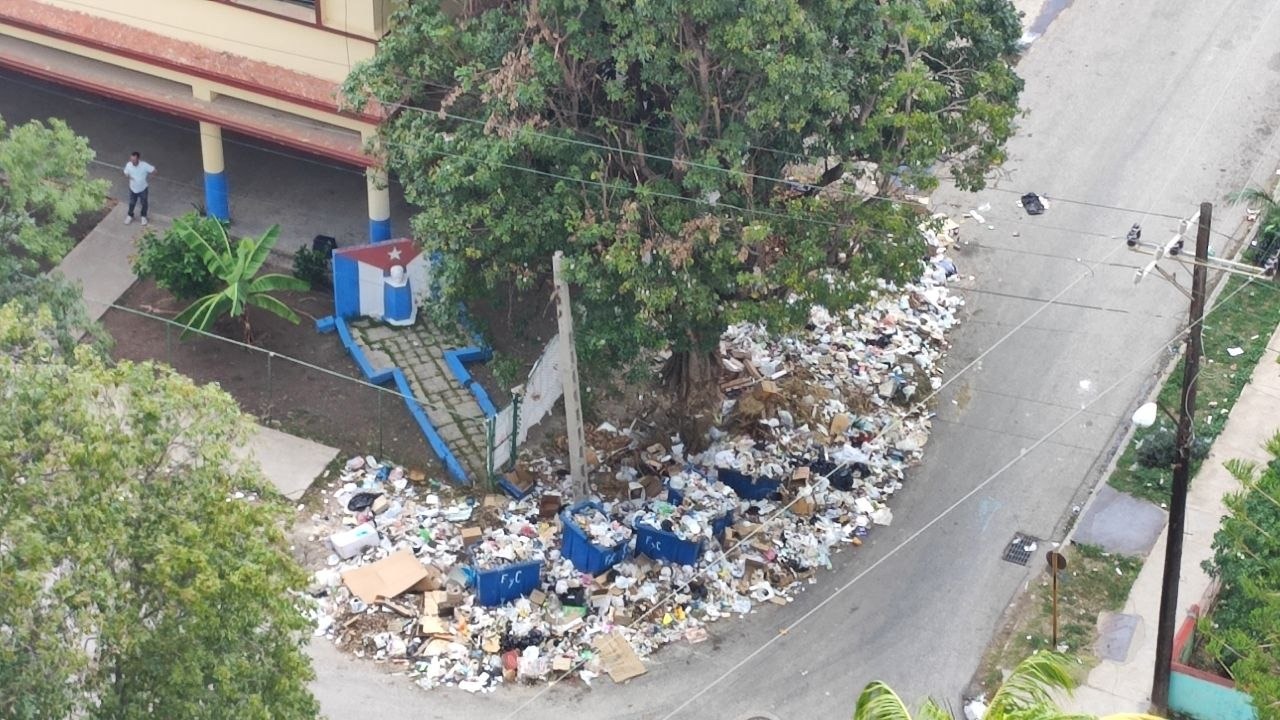
Cuba is facing its deepest crisis in decades. The economy is deteriorating, the energy system is failing, emigration has hollowed out the country, and the government continues to suppress political dissent. The Council on Foreign Relations has described the current crisis as exceptionally severe, while Freedom House continues to classify Cuba as a one-party authoritarian system with no meaningful political competition.
But none of this answers the most important question:
What happens after the regime falls? Washington should be much more honest about that uncertainty.
Trump’s UN speech can be understood as carrying two distinct messages.
The first was directed at Havana. The message was simple: if the Cuban leadership wants any influence over what comes next, the time to negotiate is now.
This fits a broader pattern in the administration’s policy. Washington has intensified economic and political pressure on Cuba while keeping open the possibility of discussions with figures inside the system. The details remain deliberately unclear.
That ambiguity may be useful.
Washington has little incentive to reveal precisely whom it is talking to, what concessions it is seeking or what kind of transition it would accept. The administration may instead be trying to create uncertainty inside the Cuban leadership: uncertainty about whether the current system can survive, uncertainty about whom Washington considers a potential interlocutor, and uncertainty about what the United States might demand if Havana refuses to compromise.
The Cuban leadership therefore faces a narrowing choice. It can continue defending a system under mounting pressure, or it can begin negotiating the terms of a political transition while it still possesses enough institutional power to influence the outcome.
The timing matters.
The Trump administration has already demonstrated in Iran that it is willing to combine diplomatic pressure with the threat of much more destructive action. The November midterm elections therefore create a natural political dividing line. There is no reason to assume that Washington will automatically launch military action against Cuba afterward. But Havana would be making a serious mistake if it assumed that American pressure will remain permanently constrained.
Trump’s message was therefore not necessarily “prepare for an invasion.”
It was more consequential than that:
If you want to negotiate Cuba’s future, do it before Washington decides that negotiation is no longer necessary.
The second message was not really about Cuba. It was about American power.
The United States has spent the past year demonstrating that military force in the Western Hemisphere is no longer merely theoretical. The intervention in Venezuela fundamentally changed the strategic environment in Latin America. Whatever one's view of that operation, Washington demonstrated that it was prepared to use military power against a government it regarded as unacceptable.
That precedent changes how Trump’s words about Cuba are heard.
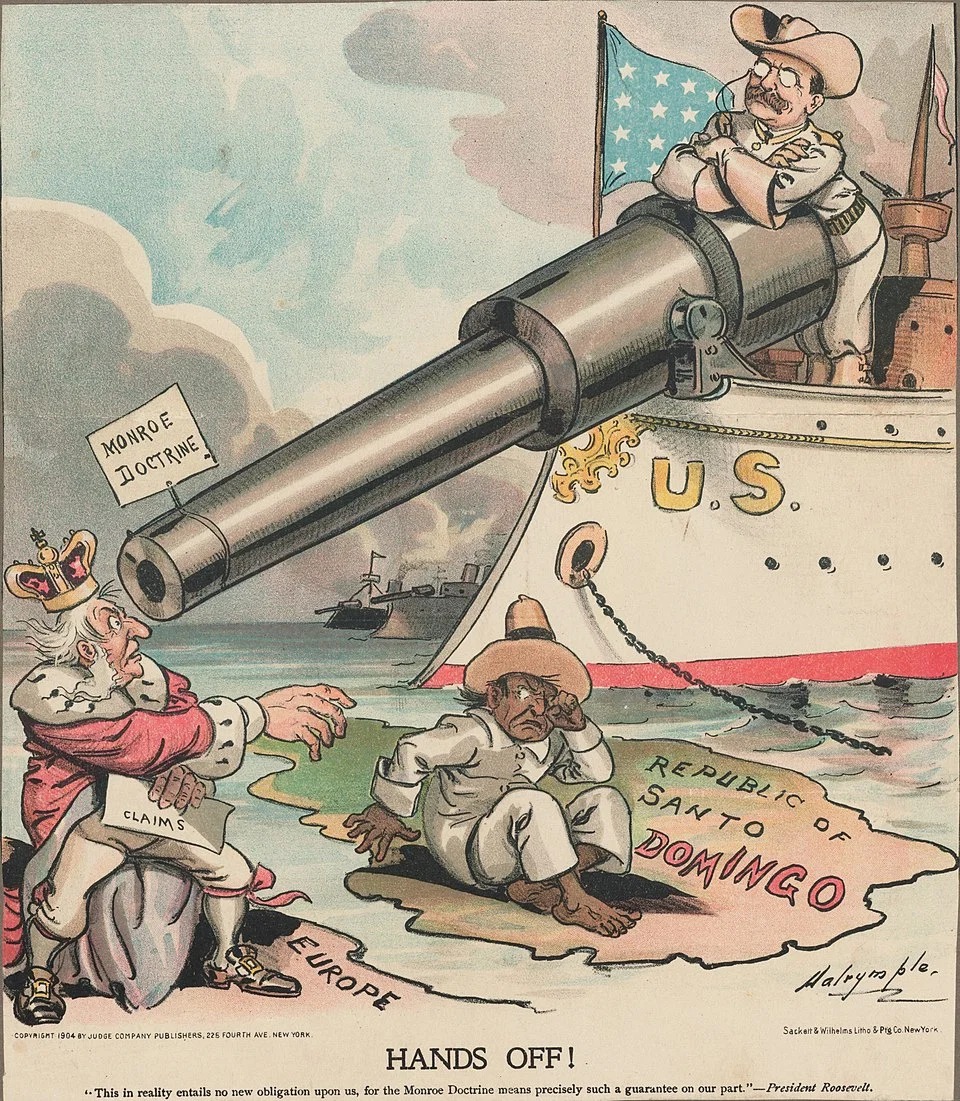
When an American president tells the world that a hostile regime is failing and that freedom is coming to the island, Latin American governments do not hear only a statement about democracy. They also hear a reminder that the United States possesses the capacity — and increasingly the willingness — to intervene in the internal affairs of states in its own hemisphere.
That is the more troubling part of the Cuban message.
Washington may regard Cuba as a uniquely hostile and repressive state. Other governments in the region may instead see a precedent for a broader return of coercive American power.
The Trump administration should therefore be careful about what it normalizes.
Strategic primacy is not the same thing as political wisdom.
There is a temptation in Washington to treat the deterioration of the Cuban regime as evidence that political transition is becoming inevitable.
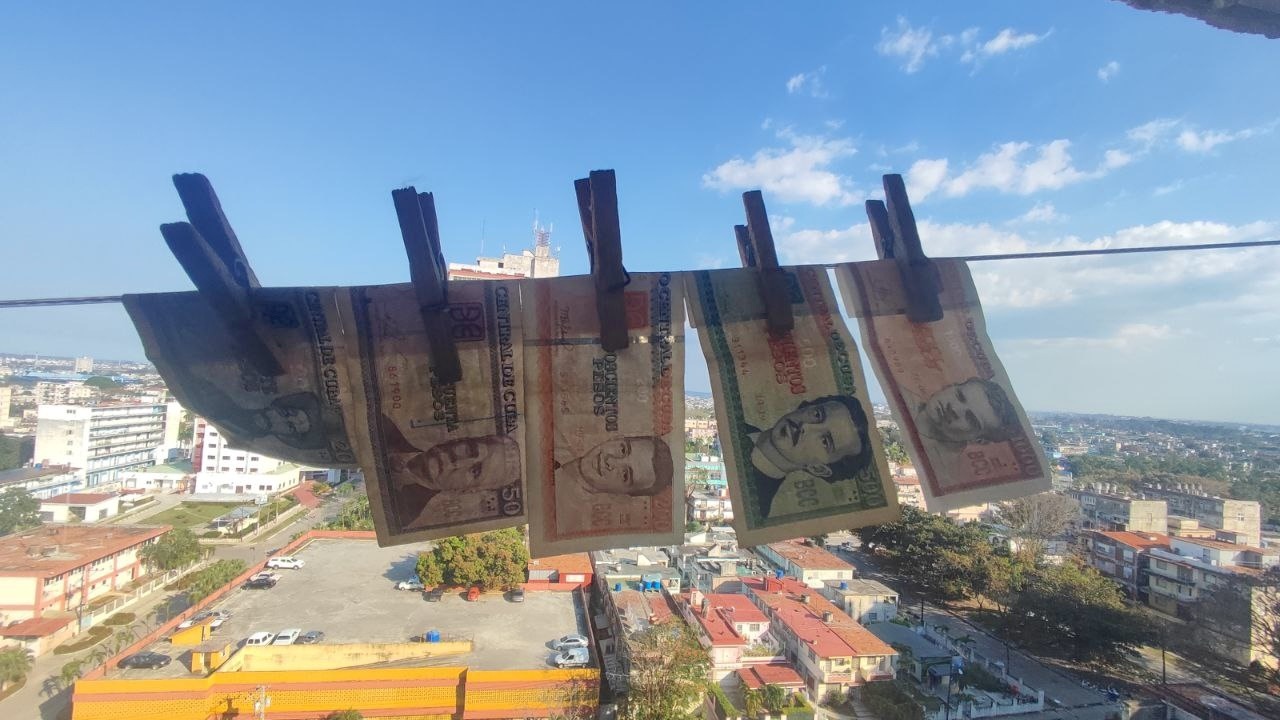
The first part of that argument is increasingly difficult to dismiss. Cuba faces severe shortages of food, medicine and fuel, prolonged electricity failures and a demographic crisis driven by mass emigration. The Council on Foreign Relations describes a country confronting a far deeper crisis than previous economic downturns. Recent analysis suggests that as much as a quarter of Cuba’s population may have left since 2020.
But economic collapse and political transition are not the same thing.
A government can become economically dysfunctional without becoming democratic.
A political system can lose legitimacy without producing an organized alternative.
And a regime can collapse without producing a functioning state.
This is where Cuba becomes particularly difficult.
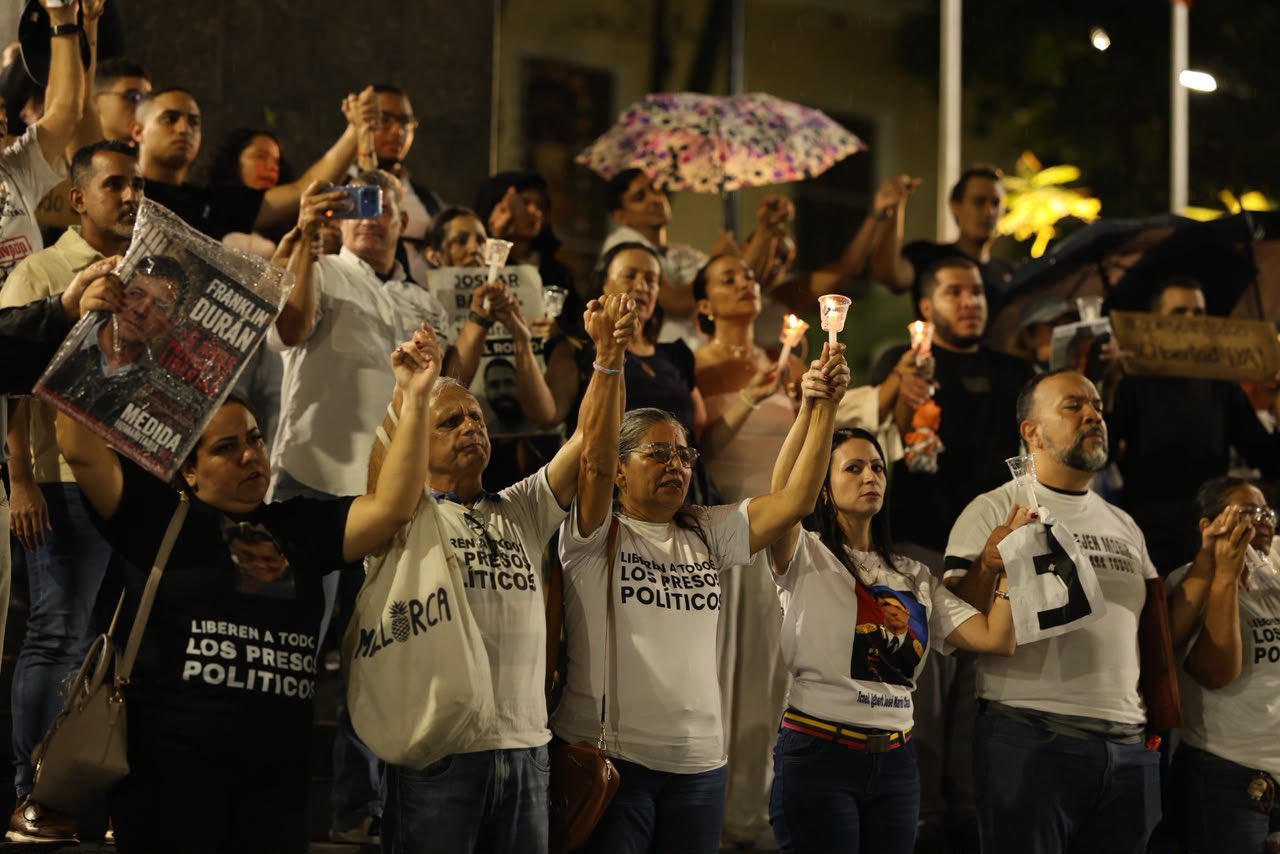
There is a Cuban democratic opposition. There are activists, dissidents, independent journalists, civil society organizations and Cubans inside and outside the island who have spent years demanding political change. But the system has deliberately prevented these forces from developing into a conventional opposition capable of peacefully taking power through elections.
Freedom House describes a political system that outlaws pluralism, suppresses independent media and leaves the opposition without a realistic path to national power.
That means Cuba does not simply lack a government Washington likes.
It lacks the institutional infrastructure through which a post-communist government could easily emerge.
That is a much bigger problem.
This is where Venezuela becomes unavoidable.
The United States demonstrated that it could remove Nicolás Maduro. But removing a leader and producing a democratic transition are very different strategic tasks.
The experience since Maduro’s capture illustrates the difficulty. The United States chose continuity and stabilization rather than immediate state collapse, while the political transition remains unfinished and the timetable for elections remains uncertain. CSIS now describes Venezuela as moving through a complicated sequence of stabilization, economic recovery and eventual political transition.
This is not necessarily evidence that the Venezuelan strategy has failed. It is evidence that regime change is only the first half of the problem.
And Cuba may be harder.
Venezuela has a history of competitive elections, political parties, civil society networks and an established opposition movement. Cuba has none of these to the same degree. The Communist Party has dominated political life for decades and the system has deliberately prevented any alternative force from developing into a credible successor.
If Washington accelerates the collapse of the Cuban government without a credible transition framework, it could discover that removing the Communist Party is the easiest part of the operation.
The harder question comes afterward:
Who governs Cuba on day two?
This is where expectations surrounding Marco Rubio become more complicated.
His appointment as secretary of state initially created considerable expectations among those who wanted Washington to pursue a decisive democratic transformation of Cuba. His personal connection to the Cuban question and longstanding opposition to the communist system gave the policy a distinctive political character.
But Venezuela has complicated the picture.
Washington has shown that it is willing to work pragmatically with figures who were part of the system it wanted to change when doing so serves immediate strategic objectives. That may be unavoidable. In some circumstances, working with elements of the old regime may be the only way to prevent state collapse.
But it raises a fundamental question for Cuba.
The disappearance of the Communist Party?
The removal of the current leadership?
A negotiated transition involving parts of the military and security establishment?
A transitional government?
Or an economic opening followed by gradual political liberalization?
These are radically different outcomes.
Washington has not clearly explained which one it wants.
This is where criticism of the Trump administration is warranted.
There is nothing inherently wrong with seeking the end of an authoritarian system in Cuba. Nor is there anything unreasonable about demanding political prisoners be released, allowing genuine political pluralism and opening the Cuban economy.
The problem begins when Washington assumes that because the existing regime is exhausted, its replacement will automatically be better.
It will not.
Freedom does not arrive automatically with the collapse of an authoritarian government.
Democratic institutions have to be built. Political legitimacy has to be negotiated. Security institutions have to be reorganized. The relationship between the military and civilian government has to be settled. The diaspora has to be incorporated without allowing it to dominate the political process. And Cubans inside the country have to determine the future of their own state.
None of those things can be guaranteed by American airpower.
A carrier strike group can demonstrate American superiority.
It cannot create a democratic political culture.
A military operation can remove a government.
It cannot manufacture legitimacy.
Sanctions can weaken a regime.
They cannot construct an opposition capable of governing.
That is the point at which Washington’s rhetoric risks becoming strategically careless.
The Trump administration increasingly presents the Western Hemisphere as an area in which the United States intends to reassert strategic primacy. That policy may have legitimate security arguments behind it. But strategic primacy is not the same as political wisdom.
If Washington treats Cuba primarily as another demonstration of American power, it risks creating a dangerous contradiction.
The administration may succeed in proving that the United States can change governments in the Western Hemisphere.
But that would not prove that it can build better ones.
For many Latin Americans, the question is no longer whether the United States can remove a regime. They have seen that it can.
The question is what Washington intends to do with the country afterward.
That is why the Cuban case deserves more caution than triumphalism.
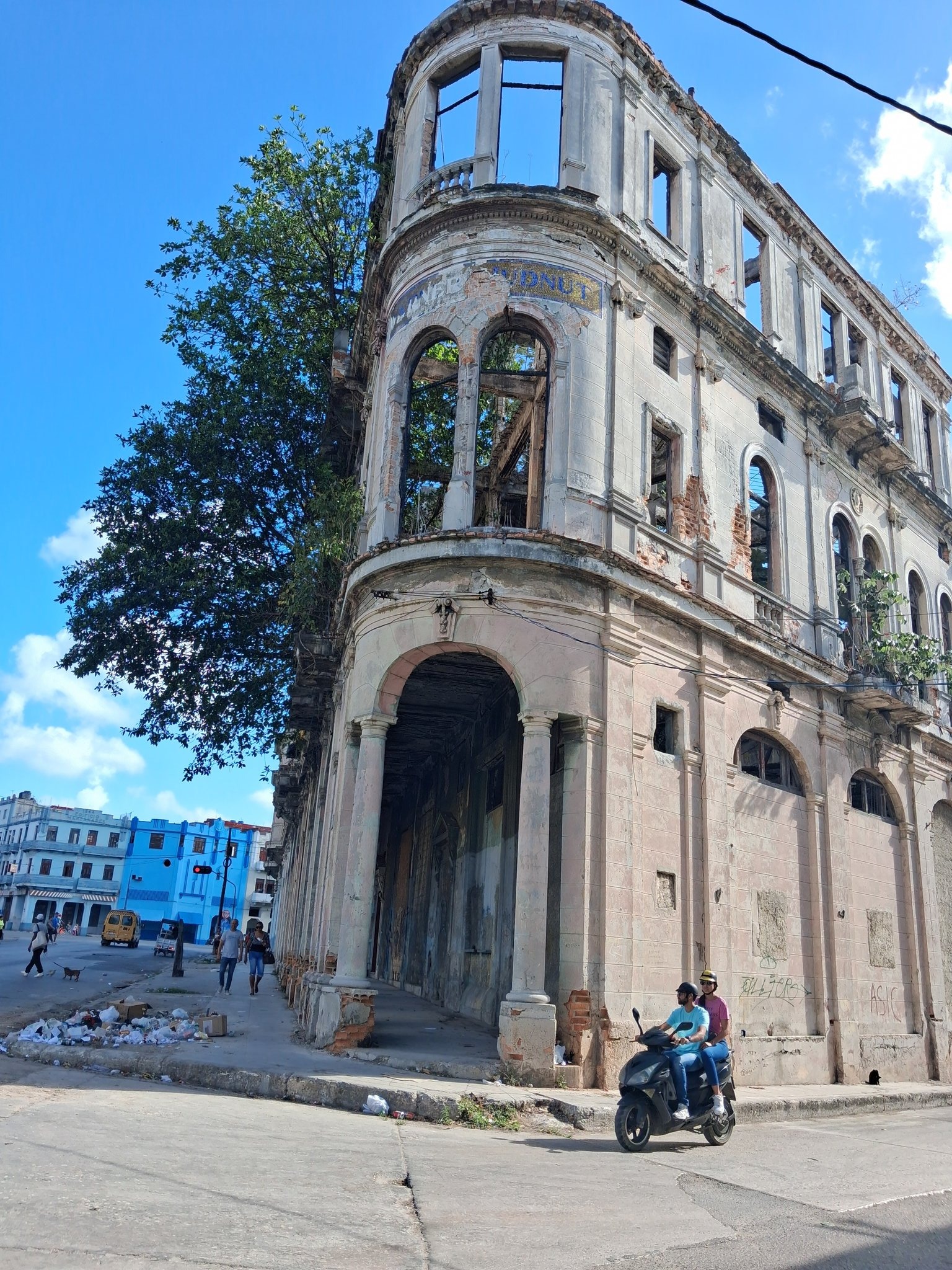
Trump may ultimately be correct that the Cuban regime is approaching its final chapter. The economic crisis is severe, the political system is rigid and the country's demographic deterioration is profound. But Washington’s confidence about the end of the regime should not be confused with confidence about what comes next.
That is the missing part of the American strategy.
The United States can increase pressure. It can threaten escalation. It can negotiate with figures inside the system. It can use military power if the president ultimately chooses to do so. But none of these decisions answers the central question:
What kind of Cuba does Washington actually want to emerge from the ruins of the Castro system?
Until that question has a credible answer, the idea that American military power will simply arrive from offshore carrying democracy and freedom should be treated with skepticism.
Democracy cannot be delivered by an aircraft carrier.
And if Washington truly wants a free Cuba, its greatest strategic challenge may not be bringing down the regime. It may be having the restraint and political imagination to ensure that the regime’s collapse does not become another American victory followed by a much harder political problem.