Category

Skeleton article title placeholder text spanning two or three lines while the content loads from the CMS


"Neuroplasticity", not "resilience" is the key word, which helps to understand, how Ukrainian society is surviving under the terror of Russian genocidal war.
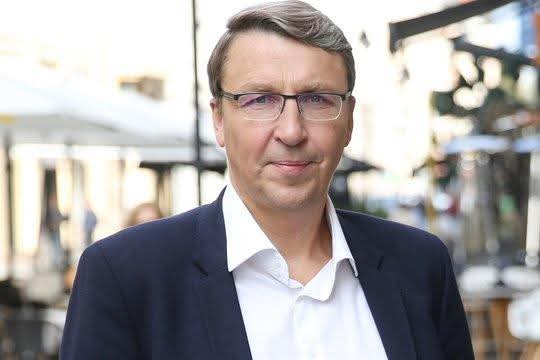
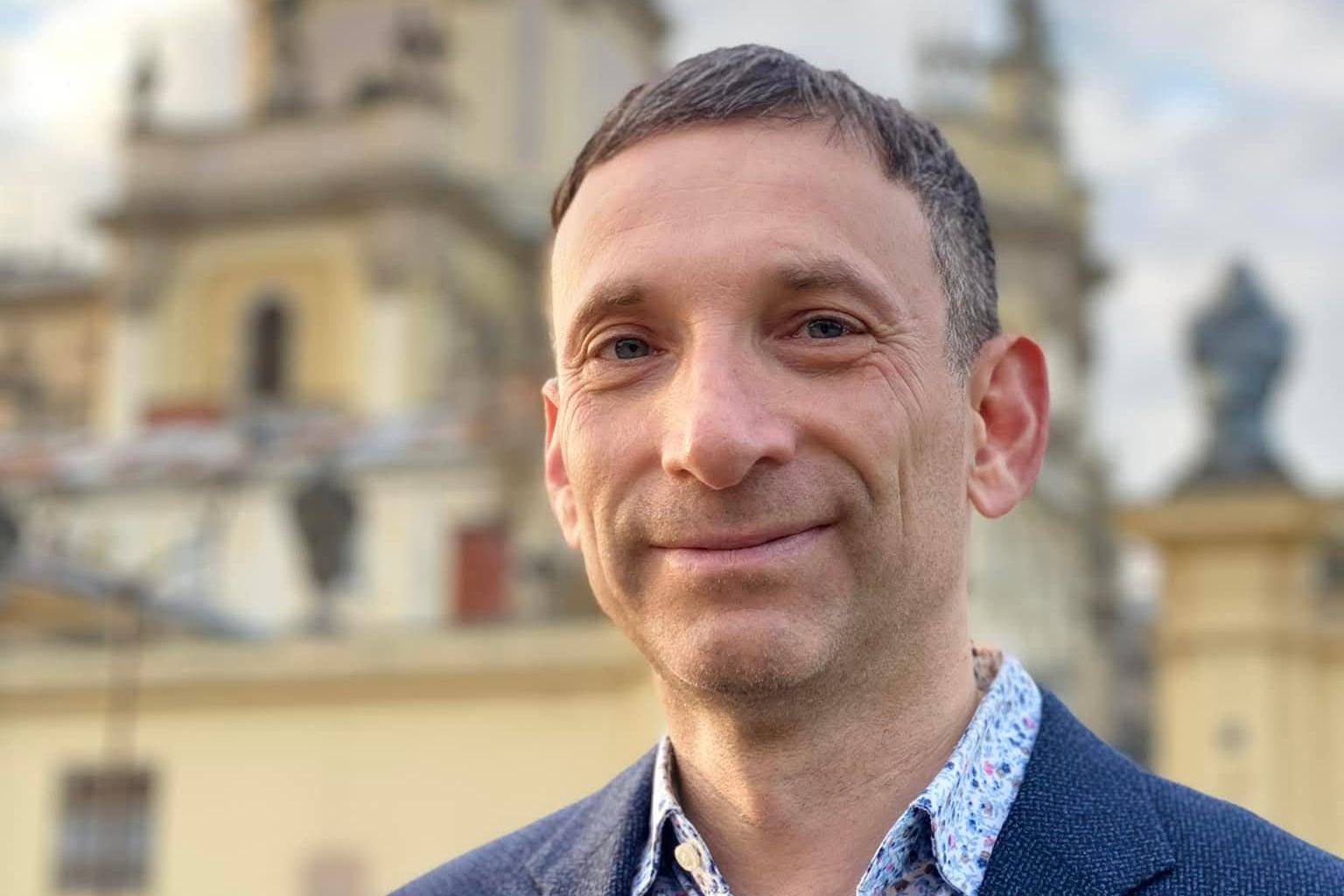
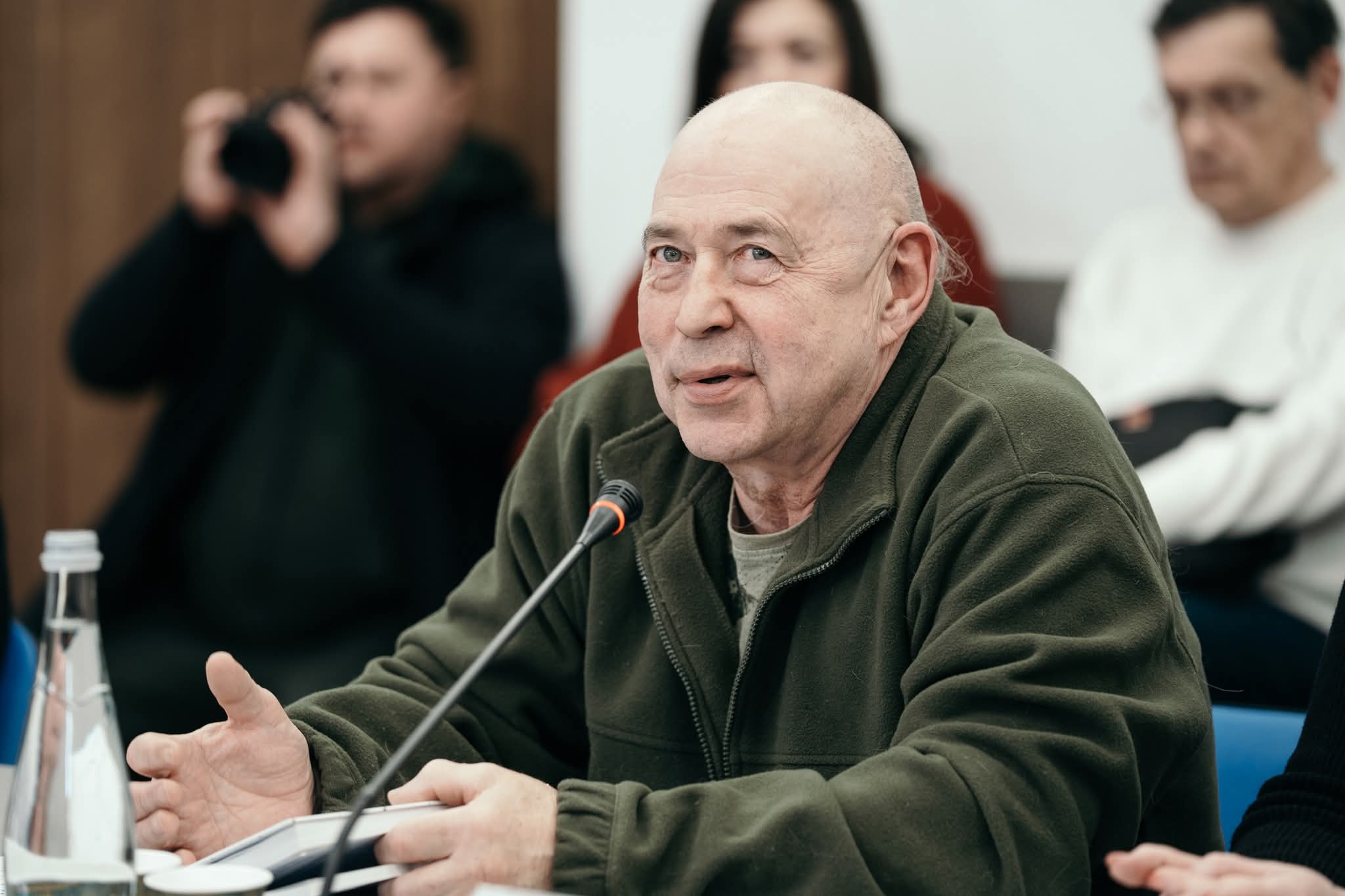
One of the most respected Ukrainian social psychologists, expert in military psychology and therapy Oleh Pokalchuk talked to "Arch Frontline" about his assessment of the psychological state of the Ukrainian society and developments of the modern Ukrainian identity.
He is convinced, that Russian hopes that they at last can wage chaos in Ukrainian society are going to fail again. Are the failures of Western and European partners of Ukraine in protecting the country from Russian aerial terror going to boost anti Western sentiment in it? Expert sees no such danger, because Russia is existential threat to all.
First of all, I feel the need to remind, that there's no such special thing as "Ukrainian society", which has some very special and unique features. Also, the very term "society", applied in some holistic manner, needs to be approached very carefully.
I understand that such generalization sometimes is inevitable, when we're looking at things from outside. Especially — when we have almost no knowledge about those things or have some emotionally based stereotypes or need to idealize. That is often the case with European perspective of the "Ukrainian society", which is "uniquely strong and resilient".
I just want to state the obvious fact, that every society contains different and various groups of people with different psychological patterns of behaviour. So, Ukrainian society was always very fragmented, sometimes fundamentally.
And now we have the people, who are afraid and have already fled or planning to flee the country. We have the people, who are afraid, but still staying here and holding on. We have the people, who are trying to do something more and who are taking the ultimate action — fighting against aggressor.
There are people, who just want this to "end ASAP" at any cost, there are people, who are getting more and more mobilized and angry at Russians because of this, there are people, who understand and hold this as a fact, that war, most probably, will last much longer, than anybody expects. Of course, there are still some people, who are blaming Ukrainian state and its leadership for what is happening.
But, staying in the line of your question, I think, I can name one fundamental and most common thing. It is called neuroplasticity, or adaptiveness to even the most stressful and traumatic reality.
It is not "resilience" as such. Especially, if we mean, that "resilience" is some firmness, something, that constitutes the hard core or spine. It is good to have it, but, you know, some day it may just break down and you'll find yourself under the nice tombstone with the mourning words about your resilience and firmness.
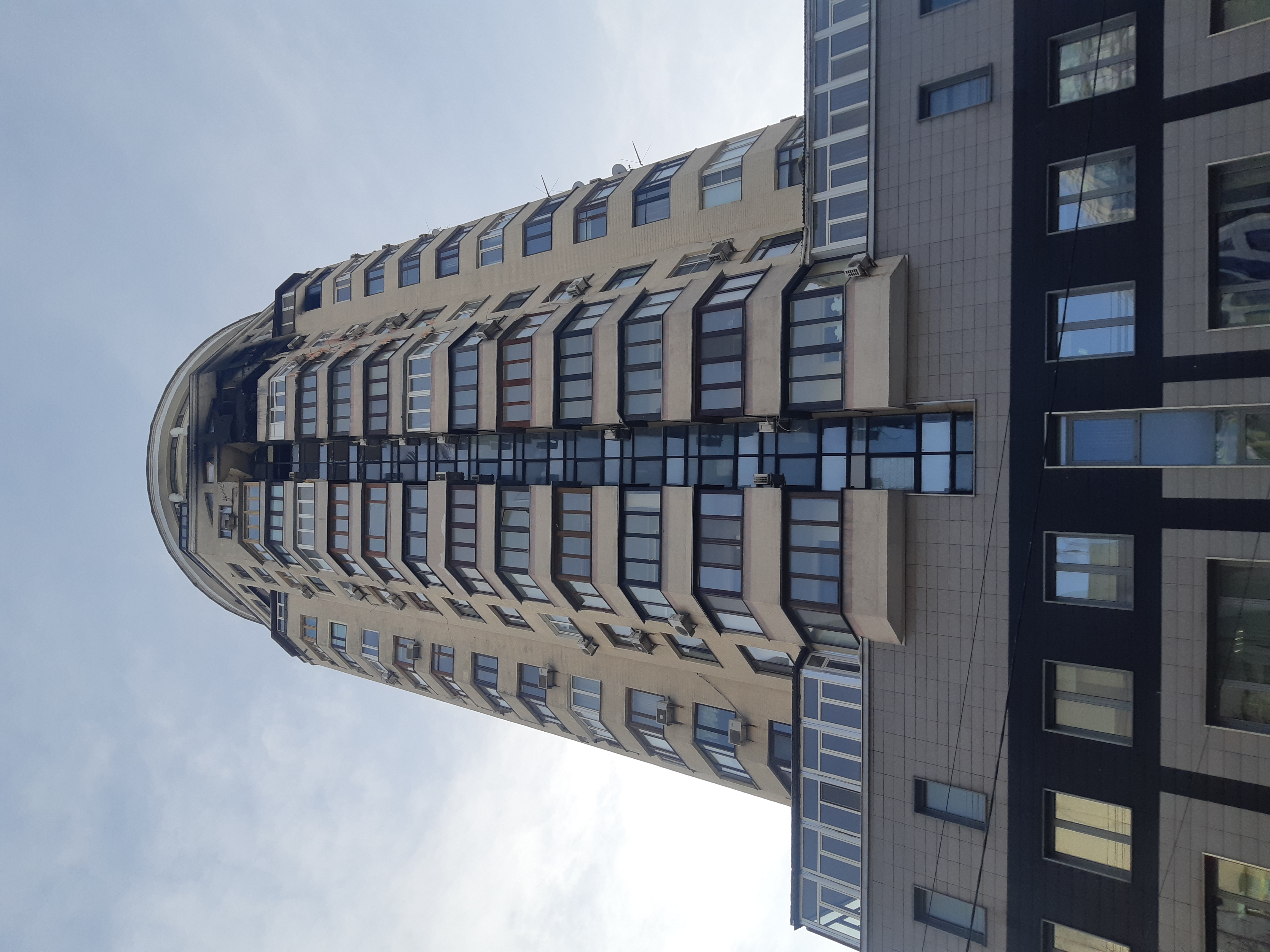
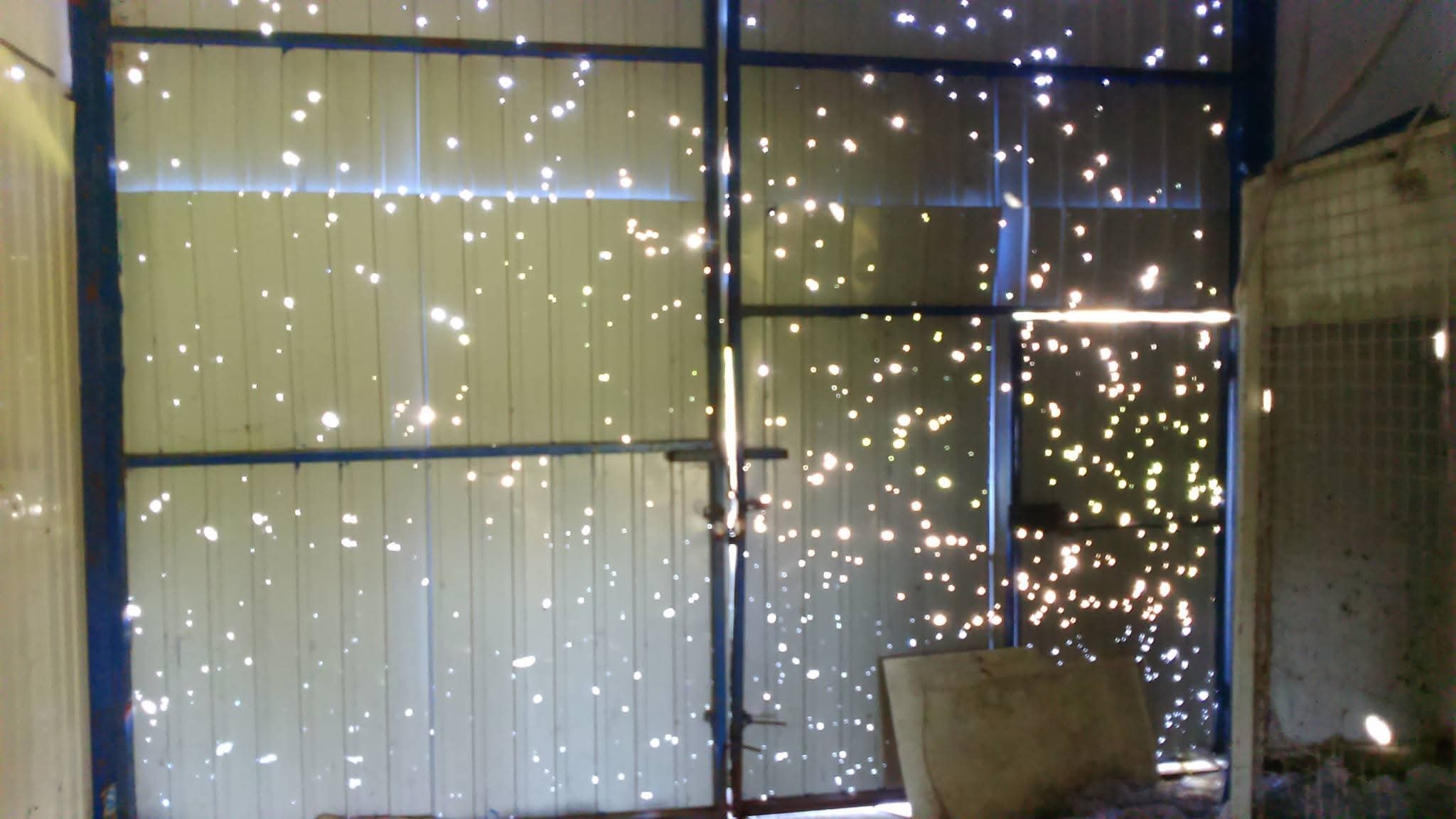
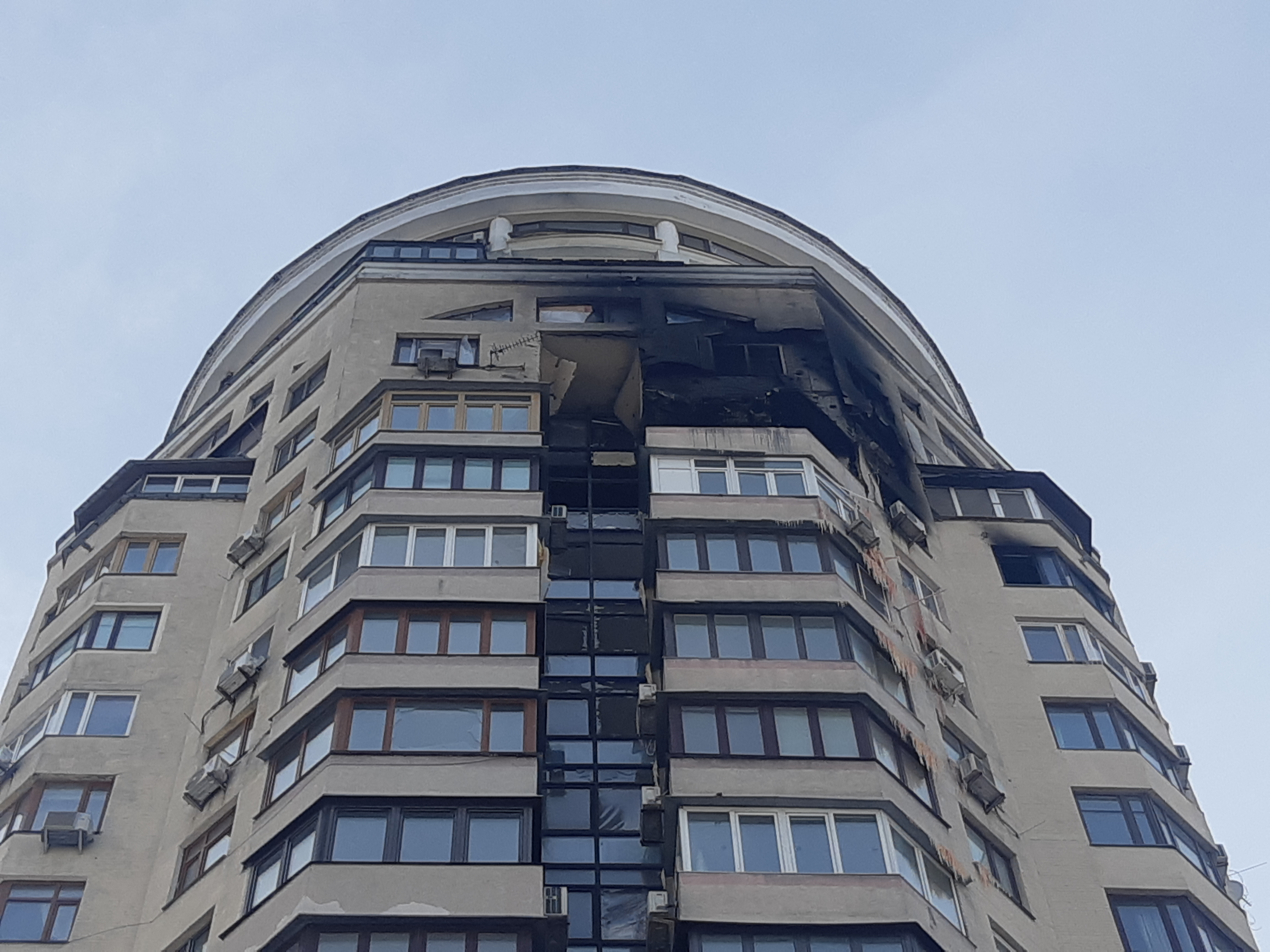
Let me illustrate my thought by the best example from real life — just this last night in Kyiv, where I live. We had the terrible night, around twenty people died. And this was just another night of many in a row.
So, people are hiding in metro stations, in the bomb shelters or just trying to find the "safest" place in their apartments. They are not sleeping during all night and when the morning comes, the attacks are not over, air alerts are sounding again, followed by explosions.
But the tired and underslept people in the morning are starting their lives again, routinely cursing the "damn muscovites", but essentially behaving like they're okay again and nothing extraordinary had happened.
People regard this as some kind of lottery. "Well, it might be me, but might not. If it is me, so be it, what could you do about it?". That is roughly the narrative and the way of embracing this reality.
But the Russians think that they might be somewhere near the point, when this Ukrainian adaptiveness will not longer be there, when people just won't be able to exist under such circumstances. That is the strategic plan of Moscow — to turn at least main, biggest Ukrainian cities into unlivable territories, zones of permanent humanitarian catastrophe.
And it looks like they're doubling down on this, because they can.
But all their hopes and plans are doomed to fail, like many times before, during more than ten years of this war.
I understand that from European perspective it is hard to understand that people and country can live further under such conditions, we are seeing now.
But, look, even the Russians themselves might understand that they are hoping to break the society in vain and that might not be the main motive and logic of their relentless efforts. And this "motive" is just bestial rage and need to "punish", to cheer up seeing destruction and death of the people. On the other hand, they have nothing else to do. Seeing, that because of our drained air defences they have the advantage here, they just try to capitalize on it as much as possible.
And when I'm seeing Ukrainian cities and people there, I see that youth is no less adaptive, then my elder generation. Of course, young people want to live their lives, to see the world, to go somewhere else. But they're also living and staying here.
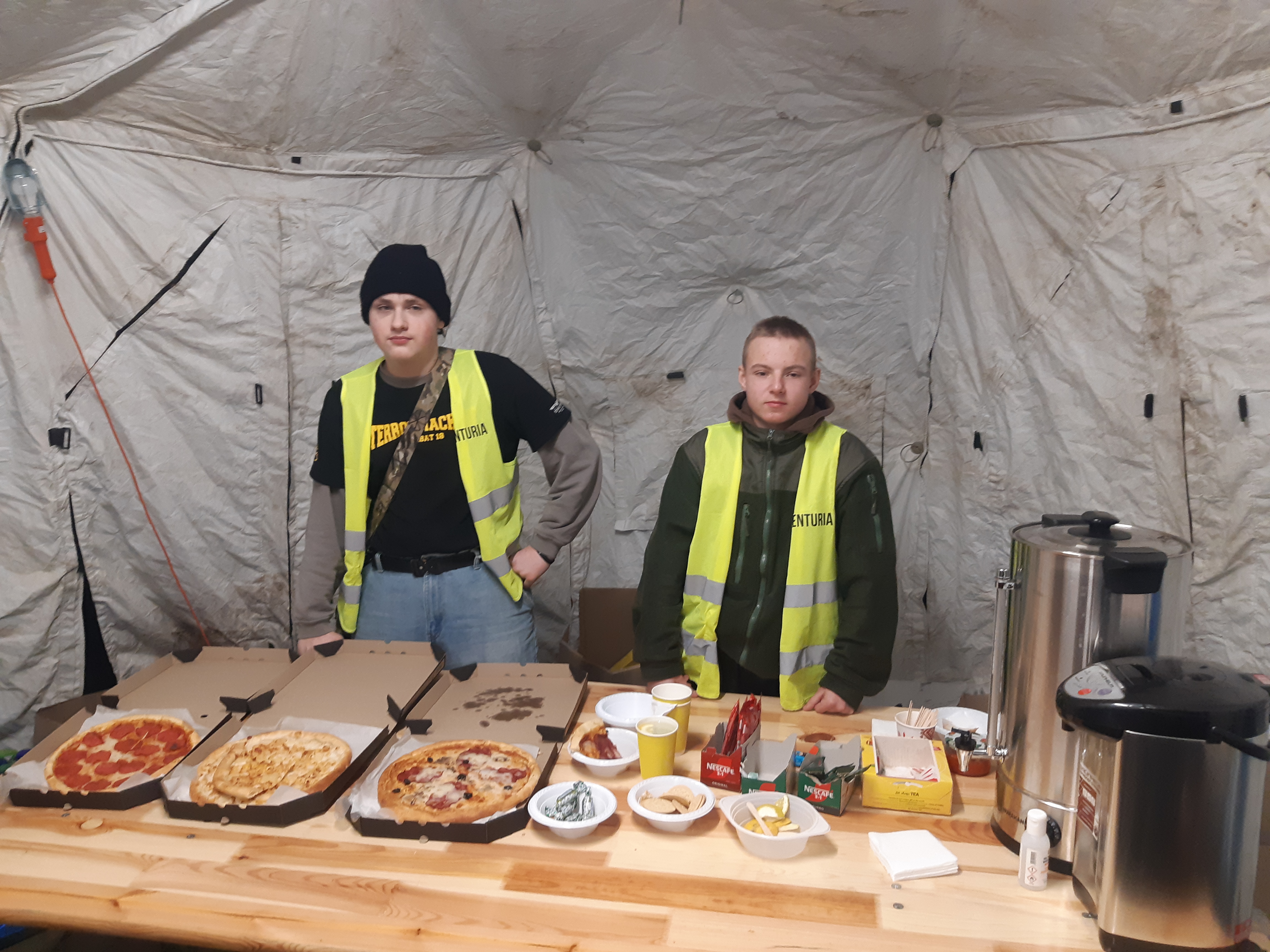
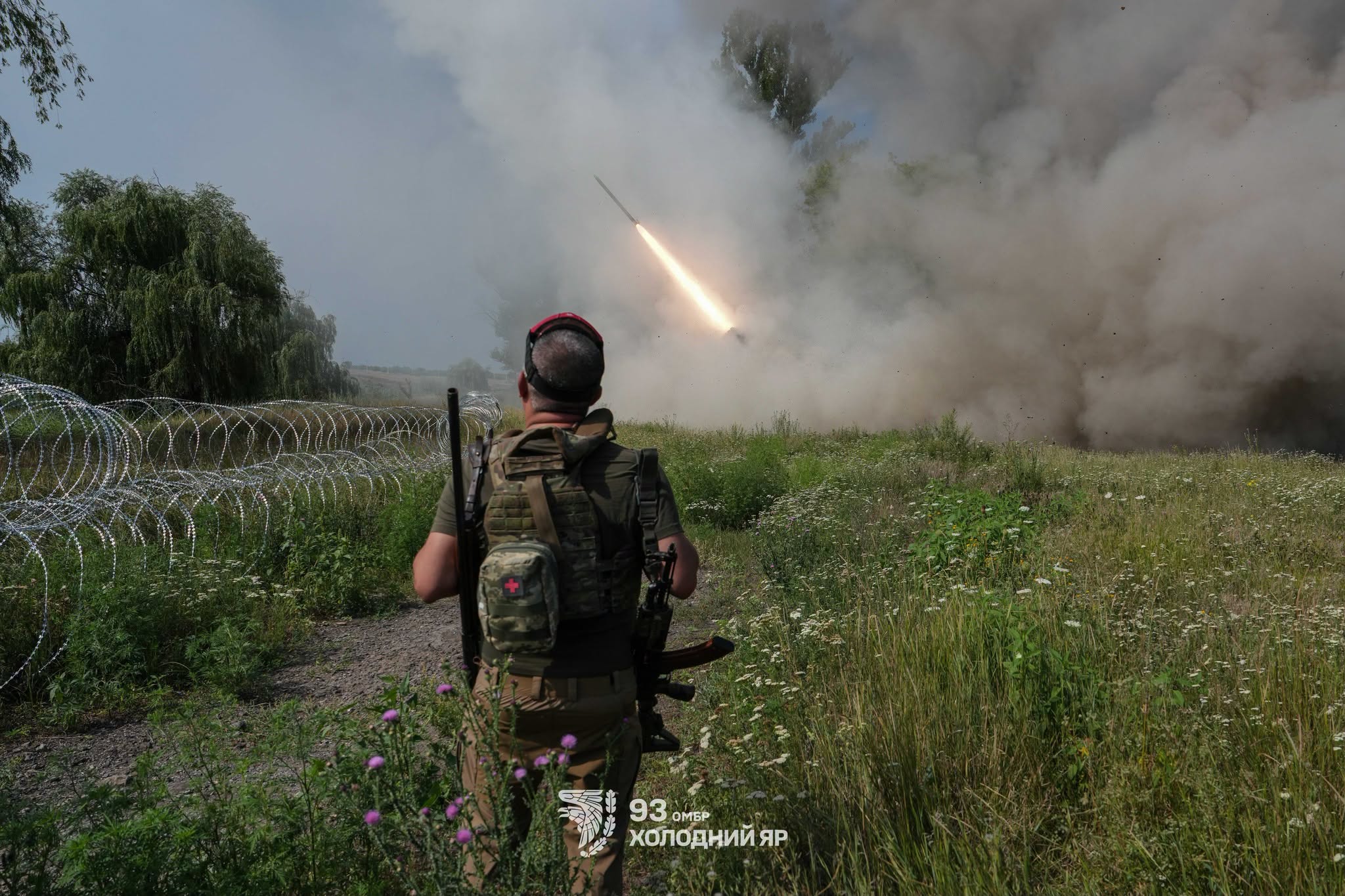
Absolutely no chances. Everybody, who can do anything "serious" are already at war — either on the frontlines, or supporting those, who are fighting the enemy.
Of course there's not much love for our government and leadership in the society, we see the protests, rage against the corruption and audacity.
But the thing is that people, who are protesting and the authorities know, where are the lines of democratic and civilized communication, which should not be crossed.
Well, you could see such tendency, especially on social media, but, I think, it does not reflect how significant part or parts of society think about themselves and the world.
Majority of people, as everywhere, aren't thinking about such big things and categories, they mainly want to solve their problems, to live their lives.
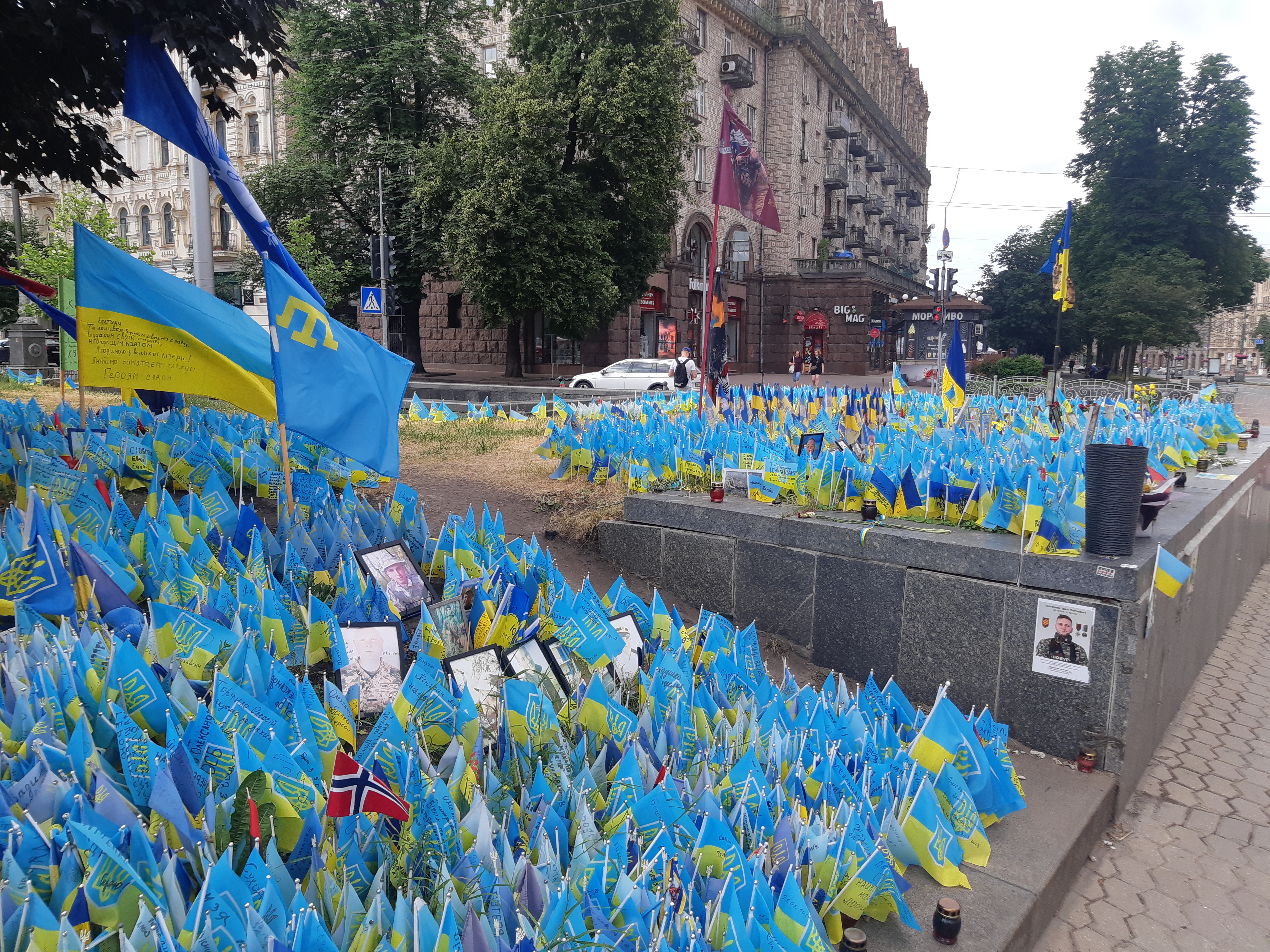
On the other hand, some kind of self-glorification is natural in the country, which is in such war. This is aftermath of the first shock and traumas, caused by full scale invasion. People saw, that they nor only withstood the onslaught, but started to fight back very successfully, even inflicting ever growing pain on the enemy, which is regarded so much superior.
At the same time a lot of people saw their stereotypes and myths about the West in general and Europe in particular being, so to say, corrected by reality. They saw, that "promised land" is far from being perfect, that it has many problems and failures.
But this is good and useful for the country — as every open discussion. And Ukraine in that sense is already part of Europe, which discusses about its own problems and setbacks already for a long time.
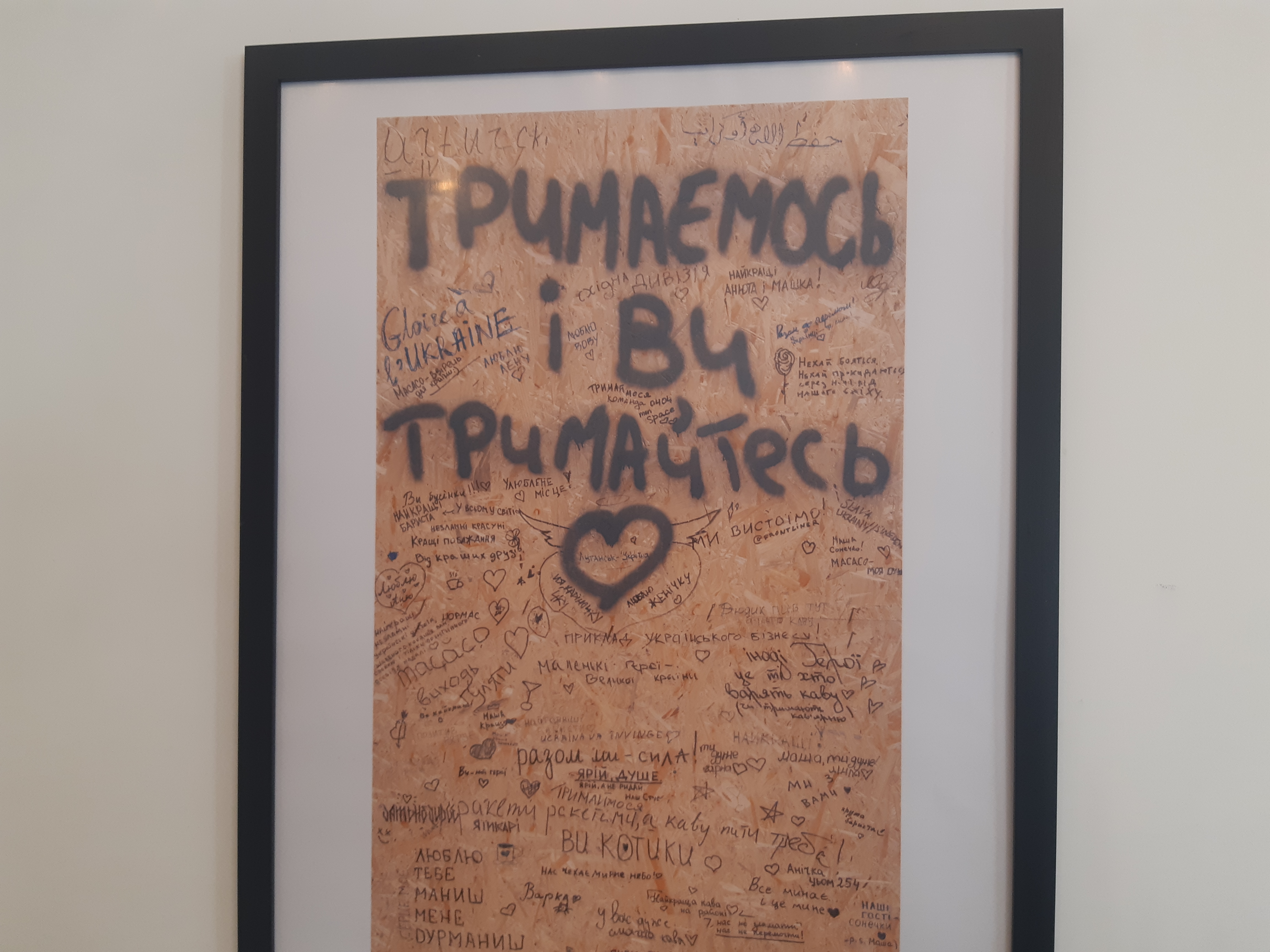
First of all, I agree with your definition of this "Maidan-based" identity. Second, I think that the conflict with Poland was and still is overestimated in that sense, that only relatively small and limited parts of both societies are really into it.
Also, we can remember that such conflicts were and still are natural for majority of neighboring nations not only in our continent. We just have to undergo this for the sake of the maturity of our future relations.
As for the danger of anti European sentiment and nationalism in Ukraine — I don't see it. At least, I don't see it as really big or even significant thing.
Yes, as I've said, there's some disappointment in the West, the Europe, conclusion, that there are no special "Western values", that all this is only about pragmatism, bussiness and interests, so we, Ukrainians, have to be "our way" and everything is "on us".
But, actually, it is not the same, as what we're calling nationalism in Europe — some hostile to outside world radicalism, based on xenophobia, rasicm and things like that. The main aspect of our nationalism, which is forged by the war, is hostility to the main enemy — that is, Russia. And in the face of this enemy Europe is not the enemy at all, but as vital, as imperfect ally.
Neuroplasticity, or adaptiveness to even the most stressful and traumatic reality.