Category

Skeleton article title placeholder text spanning two or three lines while the content loads from the CMS


Russia sees itself as a separate civilization, but should its neighbours be happy about it?
More than three decades ago, in Western public discourse, two competing conceptions were visible. The first was Francis Fukuyama's idea about "the end of history." Second one, Samuel Huntington's "clash of civilizations" conception.
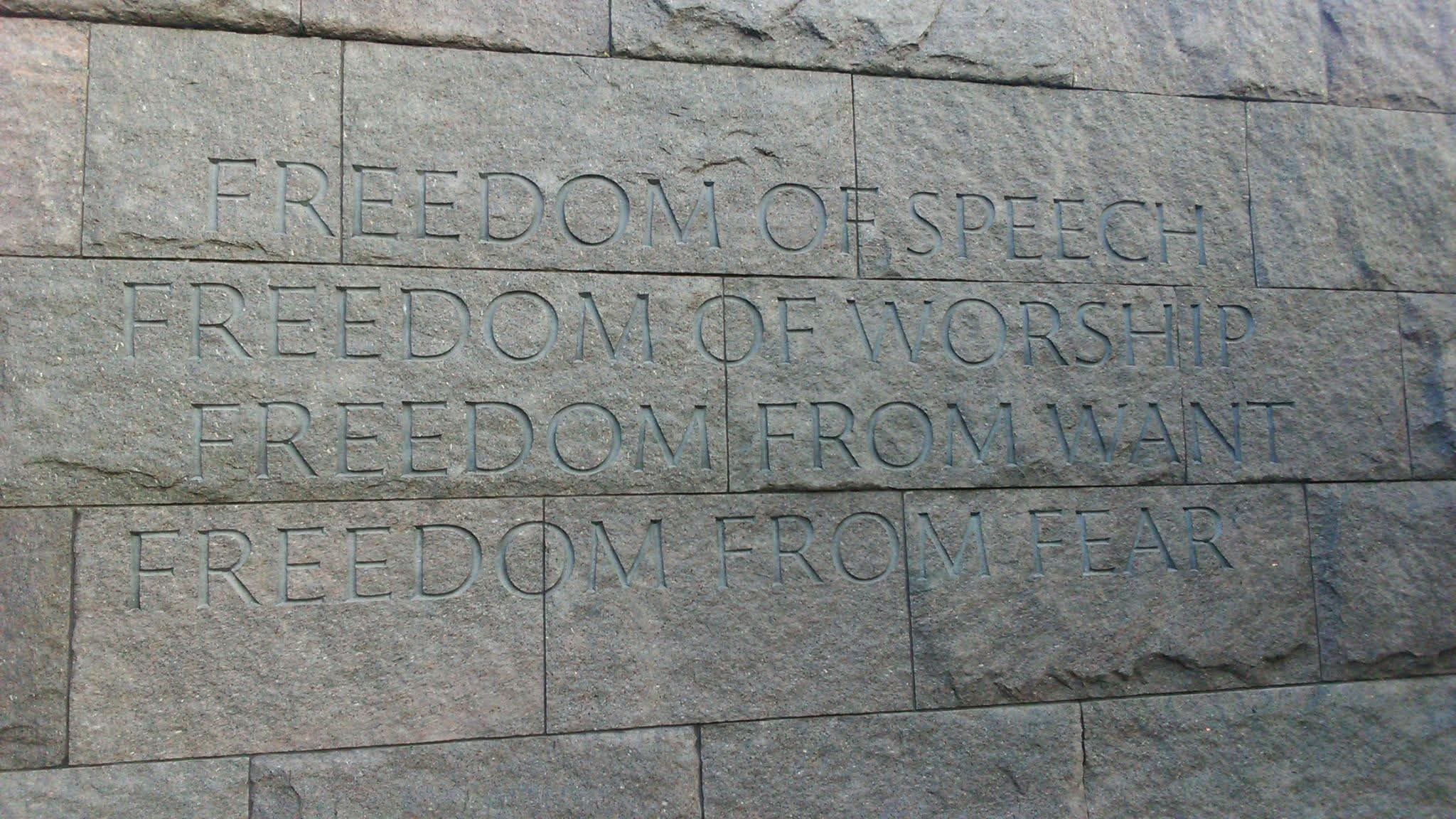
Fukuyama's idea was very attractive. He proclaims the victory of Western liberal democracy over authoritarian regimes (first of all, over communist dictatorships). Fukuyama was inspired by the fall of the Berlin Wall. Later, the collapse of the Soviet Union seems to prove that his predictions were right.
Samuel Huntington was more sceptical about our "bright future." He did not believe in the end of history as the end of all (ideological) conflicts. His concept described a world divided into different civilizations and, from his point of view, the clashes between them are inevitable.
Looking to the World today, we are all living merely in Huntington's galaxy rather than Fukuyama's. History has not ended, and clashes continue at high speed. The authoritarian regimes are not speeding to proclaim defeat, either.
Of course, Huntington's idea, as appropriate for theoretical conceptions, does not work 100 percent. Here is a quotation from his 1993 essay "The Clash of Civilizations?": "Common membership in a civilization reduces the probability of violence in situations where it might otherwise occur. In 1991 and 1992 many people were alarmed by the possibility of violent conflict between Russia and Ukraine over territory, particularly Crimea, the Black Sea fleet, nuclear weapons and economic issues. If civilization is what counts, however, the likelihood of violence between Ukrainians and Russians should be low. They are two Slavic, primarily Orthodox peoples who have had close relationships with each other for centuries. As of early 1993, despite all the reasons for conflict, the leaders of the two countries were effectively negotiating and defusing the issues between the two countries. While there has been serious fighting between Muslims and Christians elsewhere in the former Soviet Union and much tension and some fighting between Western and Orthodox Christians in the Baltic states, there has been virtually no violence between Russians and Ukrainians."
As we see, Huntington grouped Russia and Ukraine into a single civilization united by faith, ethnicity, and shared history. Today, the claim that conflict between Russia and Ukraine is unlikely looks ridiculous. Unfortunately, now we cannot ask Huntington what he thinks about it because he died in 2008.
I predict that today, most Ukrainians have the opposite idea that Ukraine belongs to one civilization with Russia. At the same time, Moscow acts in its own understanding of the logic of the clash of civilizations.
History has not ended, and clashes continue at high speed.
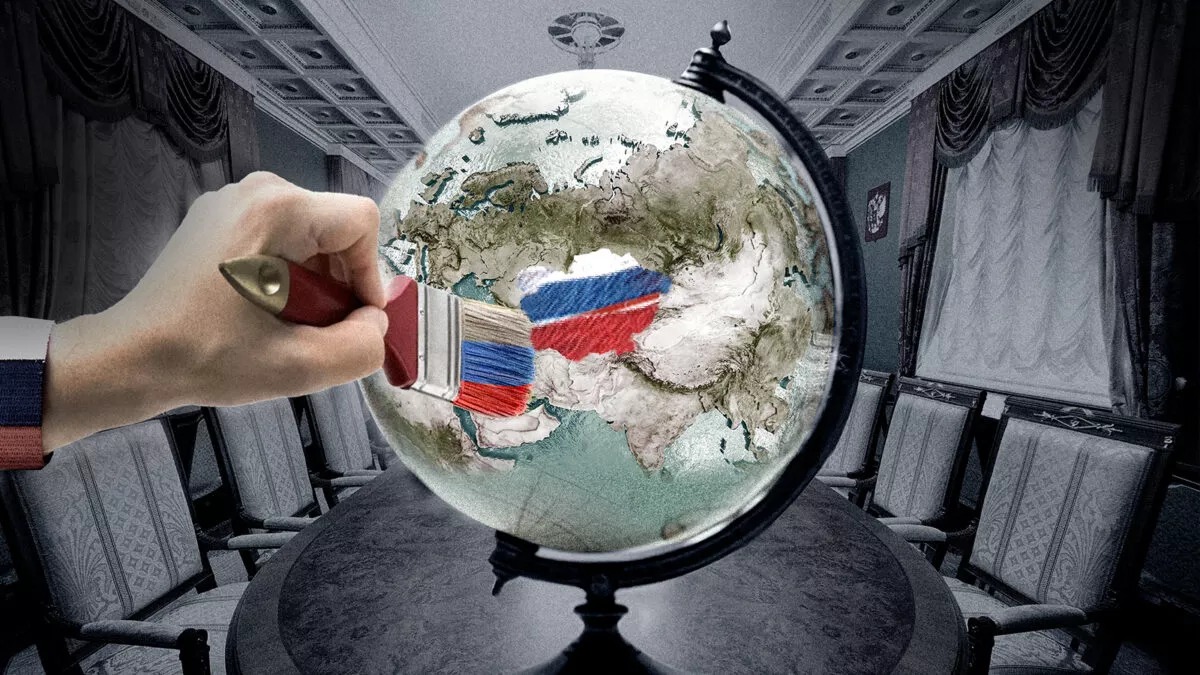
It is not possible to say that Vladimir Putin in the Kremlin thinks in Huntington's terms. On the other hand, Moscow's logic has some connections to the conception of the clash of civilizations. First of all, Russia seeks to assert itself as a specific civilization with a specific mission.
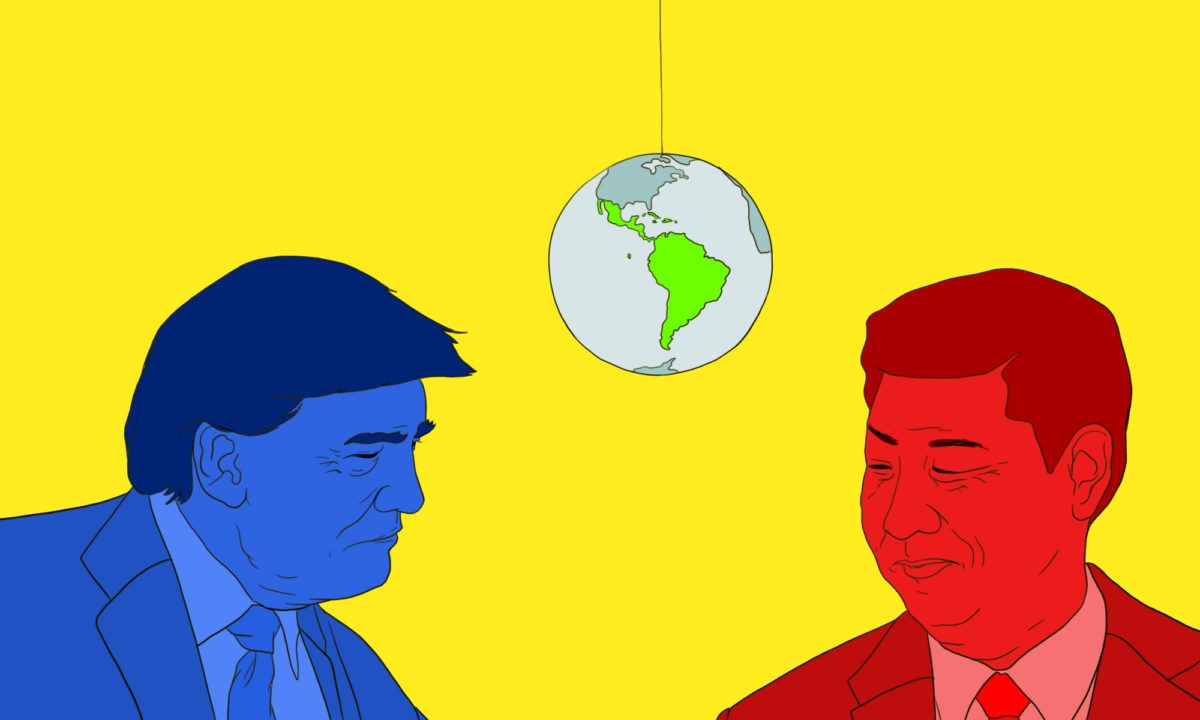
The Kremlin still believes in the great powers that divide the World into their own spheres of influence and interest. Of course, Russia sees itself as one of these powers. Moscow's rhetoric about a multipolar World and indignation over "U.S. domination" reflects this point of view. Russia wants to see itself as one of the masters of the World, alongside China, the U.S., and maybe other powers (e.g., India). In this vision, small countries have no right to choose; they should obey the will of the great powers. Even Ukraine, which has a large territory and more than 40 million people (at least, before the war), is a second-rate country and does not belong to the big powers, according to the Kremlin's beliefs.
Russia sees itself as a country with a specific mission. This also shows that Russia try on the role of a specific civilization (not only in Huntington's terms). The roots of this idea can be found in Russia's imperial past and in the works of some Russian philosophers of the 19th and 20th centuries.
The cornerstone of this vision is belief that Russia is a specific spiritual civilization (grounded on the Orthodox Church) and a saviour of real (traditional) values. In this position, Russia is an opponent to the purely rational and cynical Western World. The creators of this idea were some Russian philosophers from the 19th century, including Aleksey Khomyakov and Nikolay Danilevsky. Later, in the 20th century, one of the ideologues of this belief was the philosopher, Ivan Ilyin. An important fact is that Vladimir Putin often quotes Ilyin in his public speeches and mentions him among the authors whose books he has read. Timothy Snyder defined Ilyin as "Putin's philosopher of Russian Fascism."
Alongside "specific mission," Russia claims specific rights and privileges. For example, to dictate one's own will to other countries (first of all, the neighbourhood). This reflects the origins of Russia's war of aggression against Ukraine.
The narratives about "traditional values," spirituality, and specific mission are more than a political game for the Kremlin. In fact, this is a tool of justification for all Moscow's doubtful decisions.
Russia, in the best traditions of propaganda, tries to occupy the position that Moscow is always right. It automatically means that all opponents of Russia are wrong. Similarly, Moscow presents itself as the standard of justice and goodness. It means that all opponents represent evil. This formula can look very primitive. On the other hand, it is at the heart of the Kremlin's narrative system.
The Western World generally does not believe Russian propaganda, but the formula mentioned above is more useful for Russian society. People do not want to identify themselves with evil. It means that narratives about "special military operation in Ukraine" which was needed to fight against "Ukrainian Fascists" and the Western World, planned aggression against Russia, are calming the Russian audience. For them, it proves that the decision of the Kremlin was protective (not a war of aggression) and helps inhabitants of Russia identify themselves with their country without greater cognitive dissonance.
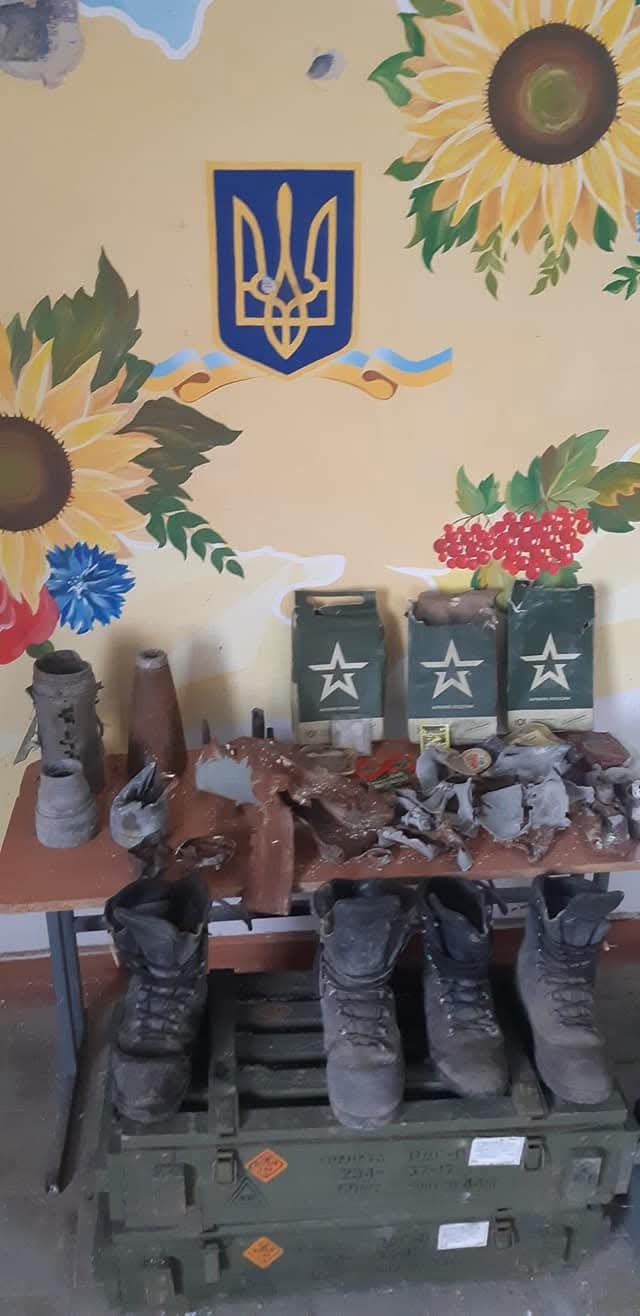
This is a trick that non-free countries know very well. In 2014, Russia, as justification for the annexation of Crimea, used "need to protect the Russian-speaking population from Maidan's Banderovtsy." Interesting that quite a similar argumentation was used by the Soviet Union in 1939 when, on September 17th, it attacked Poland, which was already at war with Nazi Germany. In the note of the Commissar of Foreign Affairs, Viacheslav Molotov, addressed to the Polish Ambassador in Moscow, it was mentioned that "consanguine Ukrainians and White Russians [Belarusians] living on the territory of Poland" needed to be protected in the face of war.
It is possible to find more examples. Nazi Germany explains the persecution of Jews people through the goal to save Germany and all of Europe. Its propaganda used narratives about "Jews' conspiracy," etc.
It should also be noted that if nowadays modern Russian narratives about "Fascism in Ukraine" do not work in Europe, they can sound quite assuredly in other geographical locations — Africa, Asia, Latin America. In the countries where the context of Russia's war of aggression against Ukraine is not well known, Moscow has a good chance to win the information war and entrench its own narratives.
The propaganda's position that "Russia is always right" unties the Kremlin's hands. Altogether, the vision of the Russian Federation as a special civilization, the justification of war against Ukraine, and the narrative of spiritual superiority over opponents allow the Kremlin to ask its own people for a "feat." In this context, it is important that even after the collapse of the Soviet Union, collectivism and a strong sense of community were presented as key strengths of Russia, in opposition to the "egoistic individualism" of the West. In the Kremlin's interpretation, the interests of the collective body (the country) should take precedence over the individual interests of citizens. Moscow is asking its own people for sacrifice for a higher purpose (i.e., the fight against the West in Ukraine to protect Russian civilization). Of course, propaganda does not work 100 percent, so Moscow needs to use money or other measures (amnesty for criminals who choose to fight in Donbas) for motivation, too.
The Russian Orthodox Church is also talking a lot about sacrifice. We can here remind readers that Huntington uses religion as one of the main markers for classifying different civilizations. In the case of Russia, it works quite well. The Russian Orthodox Church became one of the main pillars of support for the modern Kremlin regime (similar to its role in the Russian Empire).
Less than two weeks after the beginning of the war, on March 6, 2022, Patriarch Kiril in his sermon repeated some narratives of Kremlin propaganda, including an accusation of Ukraine for suppressing the Donbas region. He also talked about "metaphysic struggle" between goodness and evil in this context, where evil was presented by the tolerance for LGBT (a clear hint at liberal Europe).
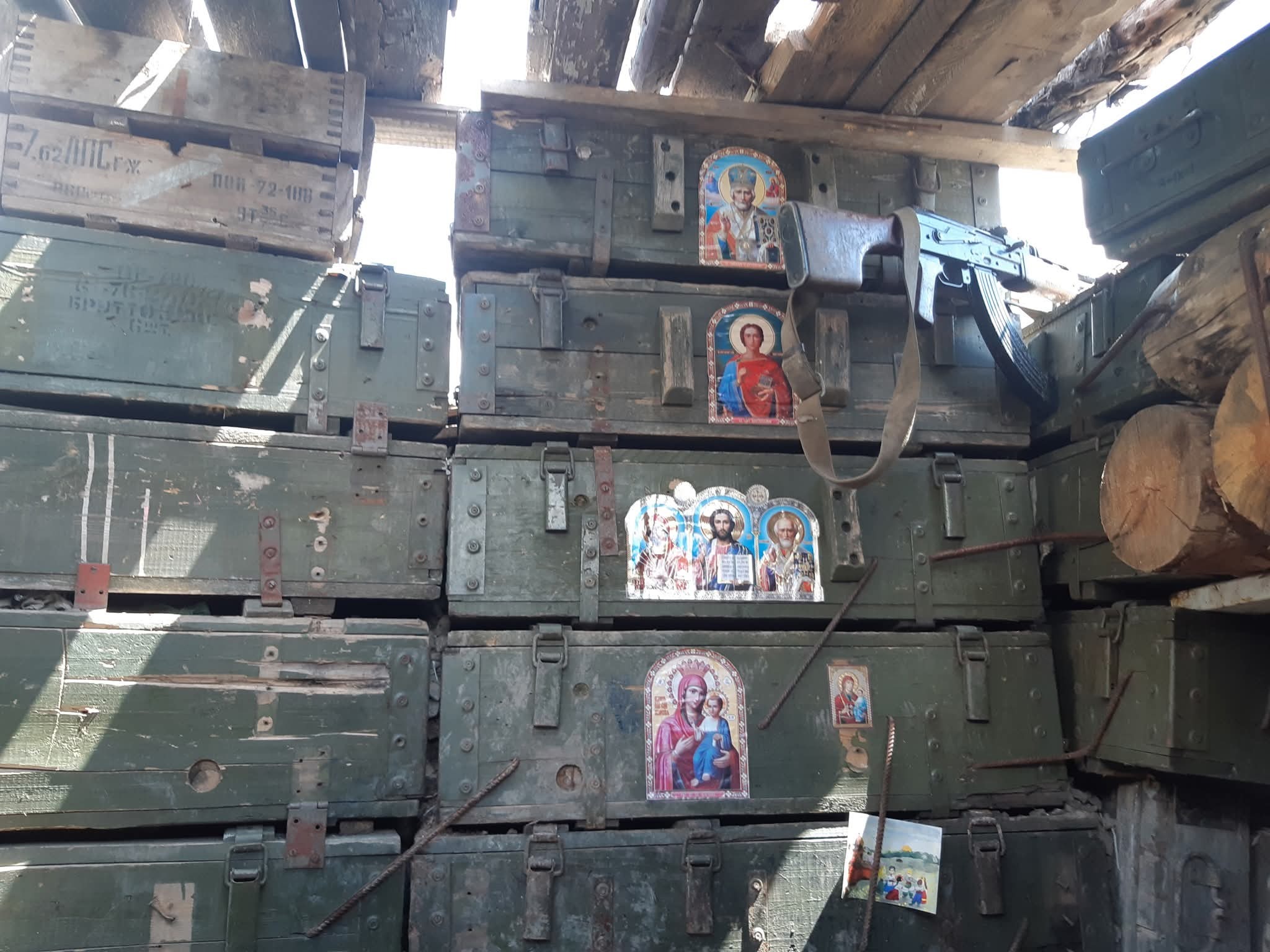
In 2024, the Russian Orthodox Church blessed Russia's ongoing war against Ukraine as "holy." On the one hand, it conforms to Russia's memories about the Great Patriotic War (part of WWII after Nazi Germany attacked the Soviet Union in 1941). For Russians, it is one of the most important historical events of the 20th century. The Victory in the Great Patriotic War is one of the core narratives of Kremlin propaganda today, too. On the other hand, Russia's war against Ukraine as "holy" was presented in the context of Russia's confrontation with the West as a sphere of evil. Respectively, Russia was presented as a saviour of (Christian) civilization.
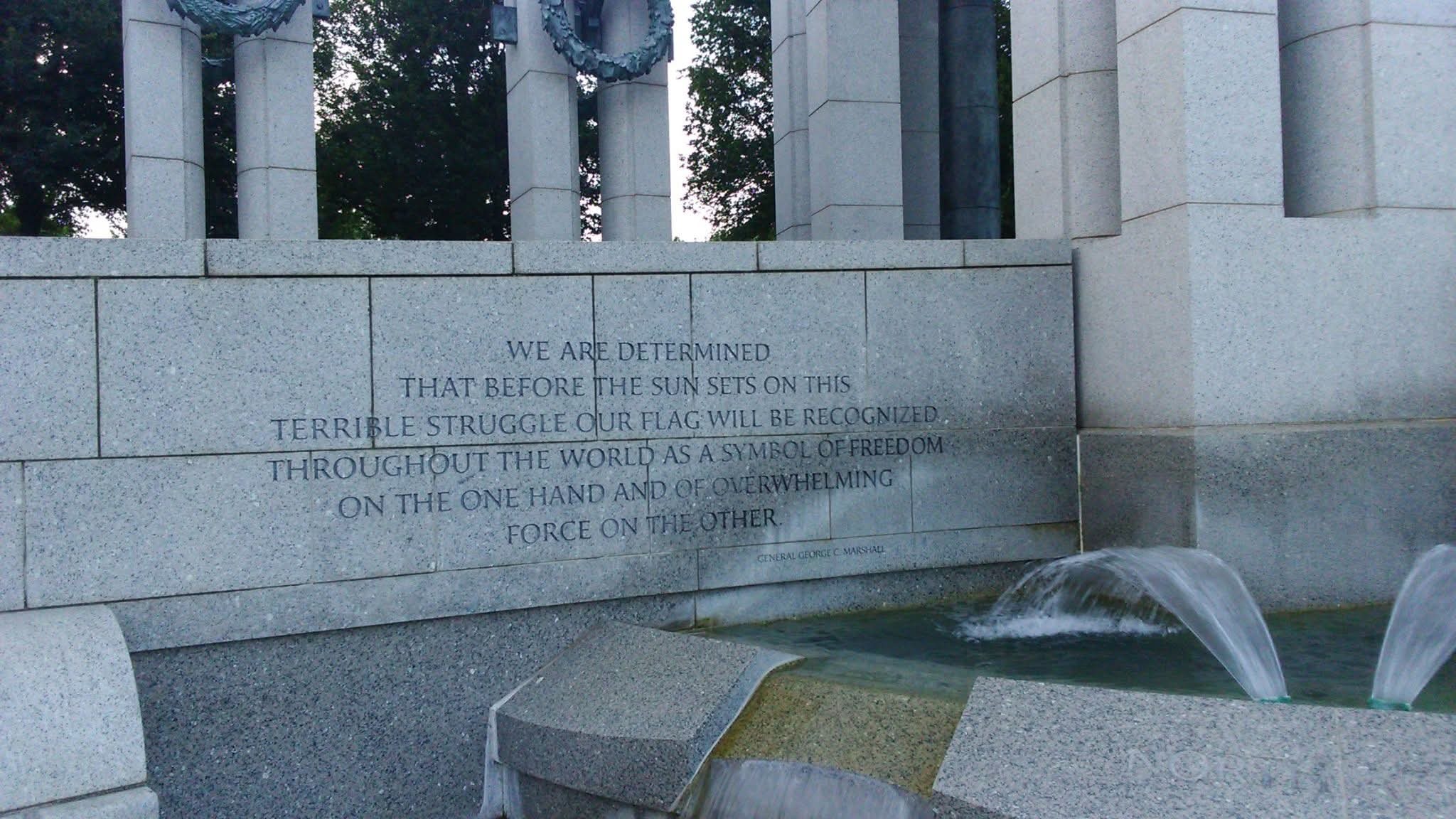
The analysis shows that the main problem of Russia and the factor that determines its aggressiveness is not just Vladimir Putin. The problem has a deeper root. It means that it is naive to hope that if one day Putin disappears, Russia will the next day become a free, liberal, and just country. A more realistic scenario is that the political groups that will keep power in their hands will continue to act within the paradigm of imagining "Russian civilization," with support for this vision from Russian society.
For Europe (and especially, Russia's neighbours), it means that cold confrontation with Moscow (including the risk of a hot one) is a long-term game. All possible ways to deter the Kremlin should be on the political agenda for decades to come. Unfortunately, we have already seen that a dream of the end of history does not work. Now the clash of civilizations is part of our reality.