Category

Skeleton article title placeholder text spanning two or three lines while the content loads from the CMS


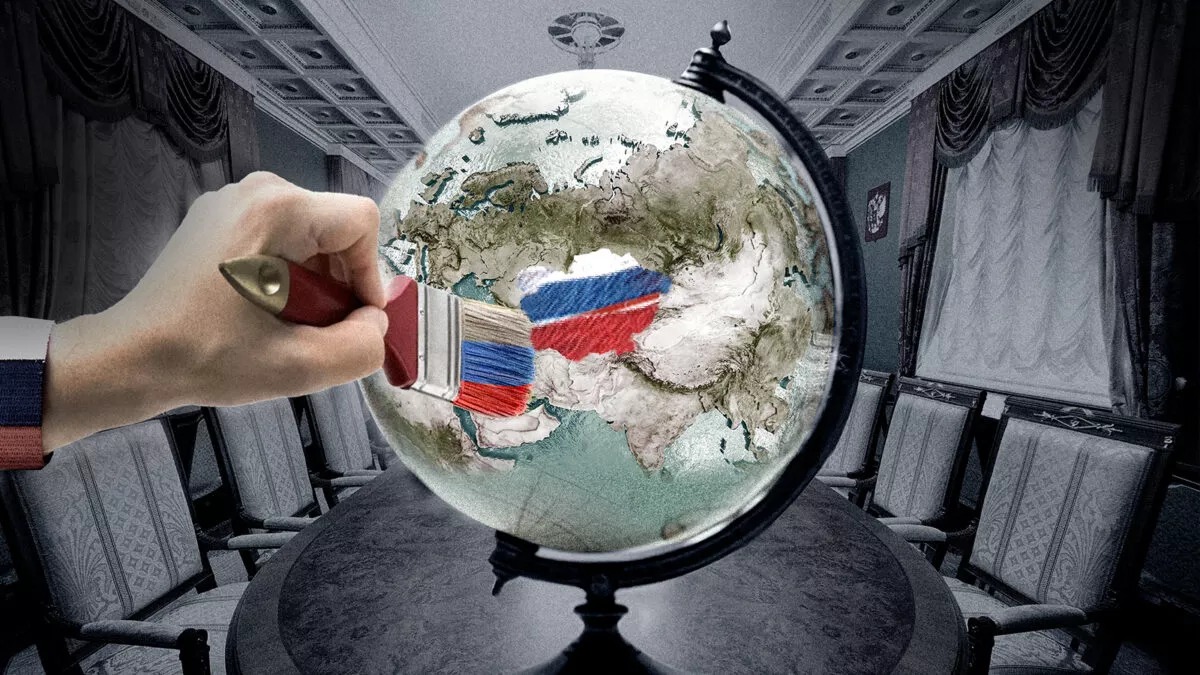
Foreign Information Manipulation and Interference (FIMI) is one of the topical issues for modern democracies. This challenge becomes increasingly visible. Today, we have many examples showing how FIMI affects different states around the World.
The FIMI phenomenon should be analysed within the paradigm of information warfare. We are talking about confrontation without "bombs and shots" but with a clear effect. FIMI actors affecting the target country's society. They are doing it with a mostly non-illegal pattern and behaviour. The goal is to affect values, procedures, and political processes negatively.
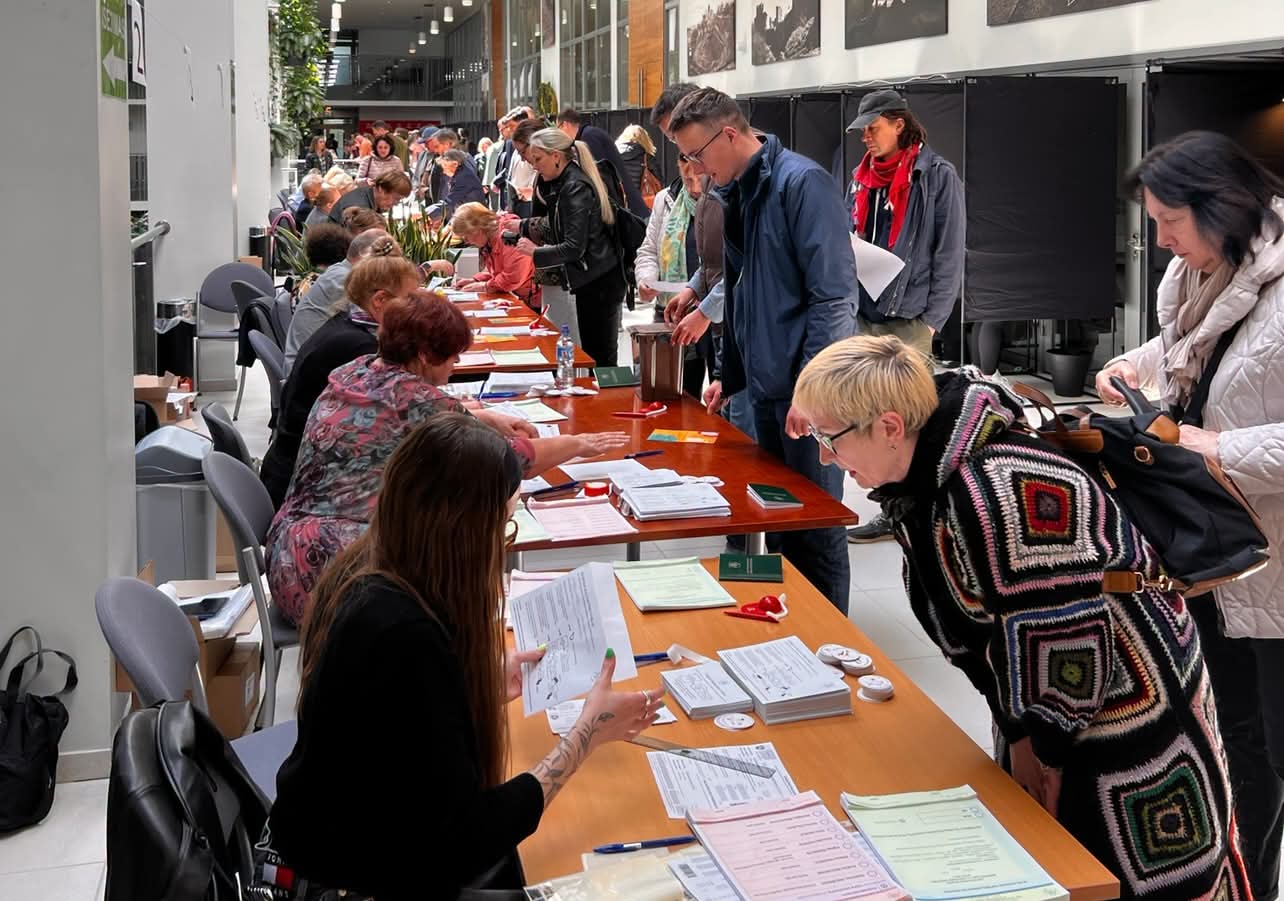
It is not by chance that FIMI activities are mostly linked to election periods in democratic countries (and in this text, this aspect will be the sole focus). The electoral process is core to democratic systems. Trust in democracy is based on the cornerstone that people freely and democratically elect their own representatives, who have a mandate to act (make political decisions that affect society). In general, democracy is about societal consensus that the process mentioned above is appropriate.
On the other hand, if you are affecting - moving - the cornerstone, you are destabilizing the entire system. For example, the characteristic of FIMI during elections could be information manipulation to support one candidate or another, to create artificial scandals and influence voters' choices, or to undermine trust in the electoral process itself.
Quite often, it is hard to say whether FIMI activities actually affected the election results. On the other hand, the effect on the election's results is not the primary goal of the FIMI. It is enough to cast doubt on the fairness of the elections. These doubts lead society to distrust the government and to question who is in power and who should be there. In general, it is a distrust of the state's entire democratic system. So, we can say that FIMI is a weapon of the authoritarian states against democratic ones. During elections, the target is democracy itself as the basis of free countries. That proves quite a lot of the real examples.
During elections, the target is democracy itself as the basis of free countries.
Metaphorically, we are facing a pandemic of FIMI during electoral periods. In general, the "patient zero" of this pandemic was the 2016 U.S. presidential election. The investigation showed that Russia tried to affect the electoral process. According to the official conclusions, this attempt did not affect the election results. On the other hand, during the 2016 presidential election in the U.S., Moscow opened the "electoral FIMI toolbox," which it has been using (and improving) to this day.
One of the most prominent FIMI cases was the 2024 presidential election in Romania. Then, in the first round of the election, the majority of votes unexpectedly went to the independent nationalist candidate, Calin Georgescu. The candidate's success was grounded in an aggressive TikTok electoral campaign. Officially, Georgescu declared that he had no funding for the campaign (his electoral campaign budget was declared as 0 lei). But it was obvious that such a campaign, which Georgescu launched on TikTok, should be costly.
The Romanian Constitutional Court decided to annul the results of the first round of the elections. The decision was based on information from the General Directorate for Internal Service of the Ministry of Interior of Romania and the Romanian Intelligence Service. It was recognized that voters during the electoral campaign "were misinformed through an electoral campaign in which one of the candidates was aggressively promoted, carried out by circumventing national electoral legislation and by abusing the algorithms of social media platforms."
In fact, it was the first time that a country directly reacted to FIMI activities, and it determined the annulment of the election results. At the same time, it shows that FIMI activities in this case were quite successful. They badly affected the electoral process. It should also be mentioned that the reaction to this decision of the Romanian Constitutional Court was ambiguous. The Court was criticized for basing its decision on non-transparent (classified) evidence. In other words, the decision to annul the results was deemed potentially harmful to trust in democracy and the electoral process.
At the same time as in Romania, the presidential election took place in Moldova. It also became a quite visible case of FIMI. The main attempt was directed against pro-European President Maia Sandu, who seeks re-election. She faced a strong and dirty disinformation campaign. Sandu was attacked personally: the narratives of disinformation questioned her adequacy and psychological health. The government of Moldova was accused of planning to falsify election results. Voters were also intimidated that if Sandu were re-elected, Moldova would be pushed to war with Russia.
Finally, Maia Sandu won the elections but only with a minimal advantage.
One more time, Moldova will become a target for Russian FIMI in 2025 during the parliamentary election. Traditionally, the purpose was to tarnish pro-European political powers. The narratives of disinformation stated that if political parties supporting the country's European integration would win, Moldova would lose sovereignty, become a puppet of the West, and be transformed into a military outpost against Russia, with all appropriate consequences.
The newest battlefield for FIMI at the moment was the elections in another Post-Soviet country, Armenia, in June 2026. The FIMI campaign used tools similar to those used in Moldova. For example, the prime minister of Armenia, Nikol Pashinyan, faced a list of very aggressive accusations of being a rapist and running brothels, purchasing luxury properties abroad, burning Christian crosses, etc. His wife was accused of stealing money from a children's cancer charity.
Of course, the election in Armenia, in the narratives of propaganda and disinformation, was presented as an existential geopolitical choice for the country between Russia and the West. The choice of Western integration, in this context, was portrayed as catastrophic for the economy's future and Armenia's security.
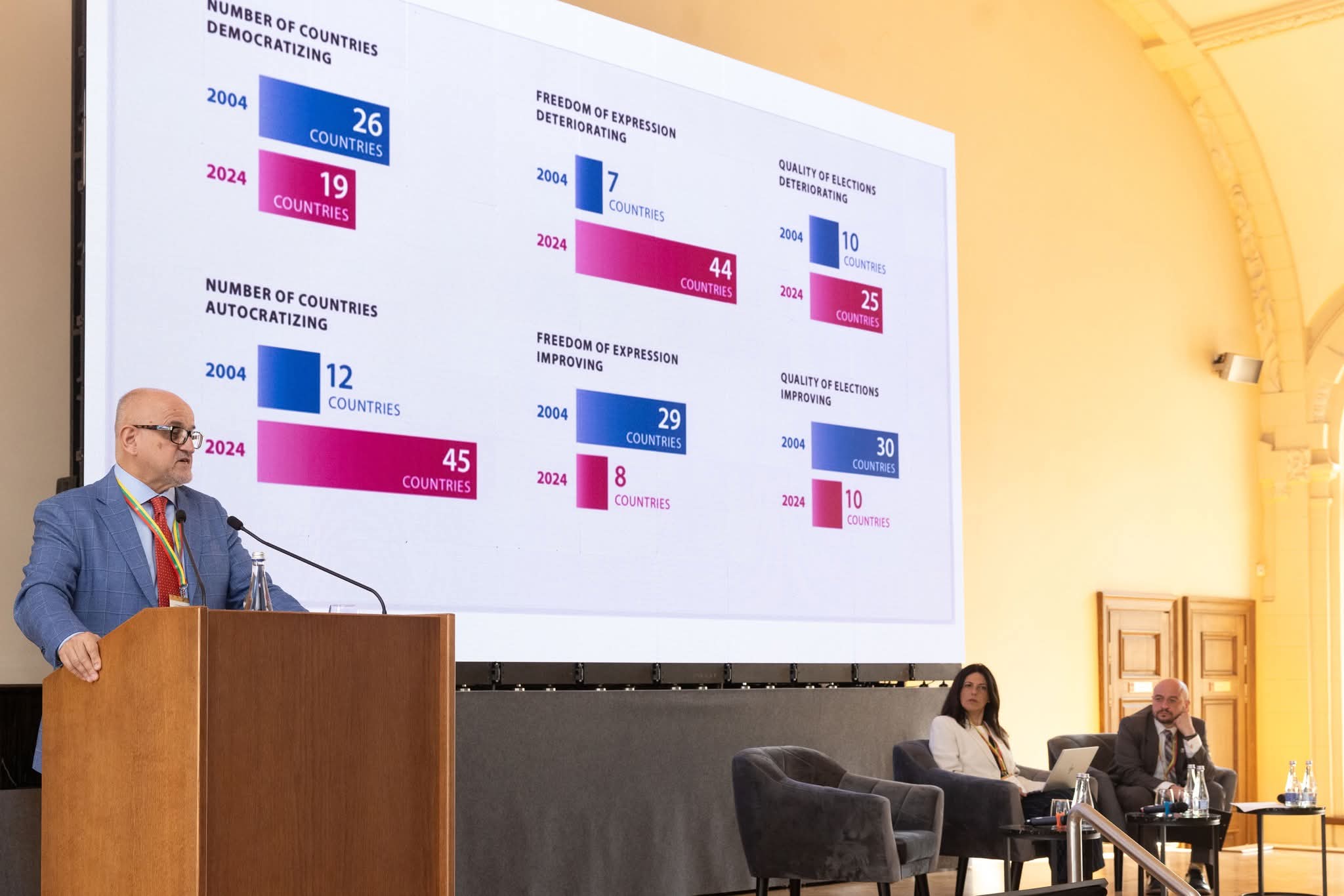
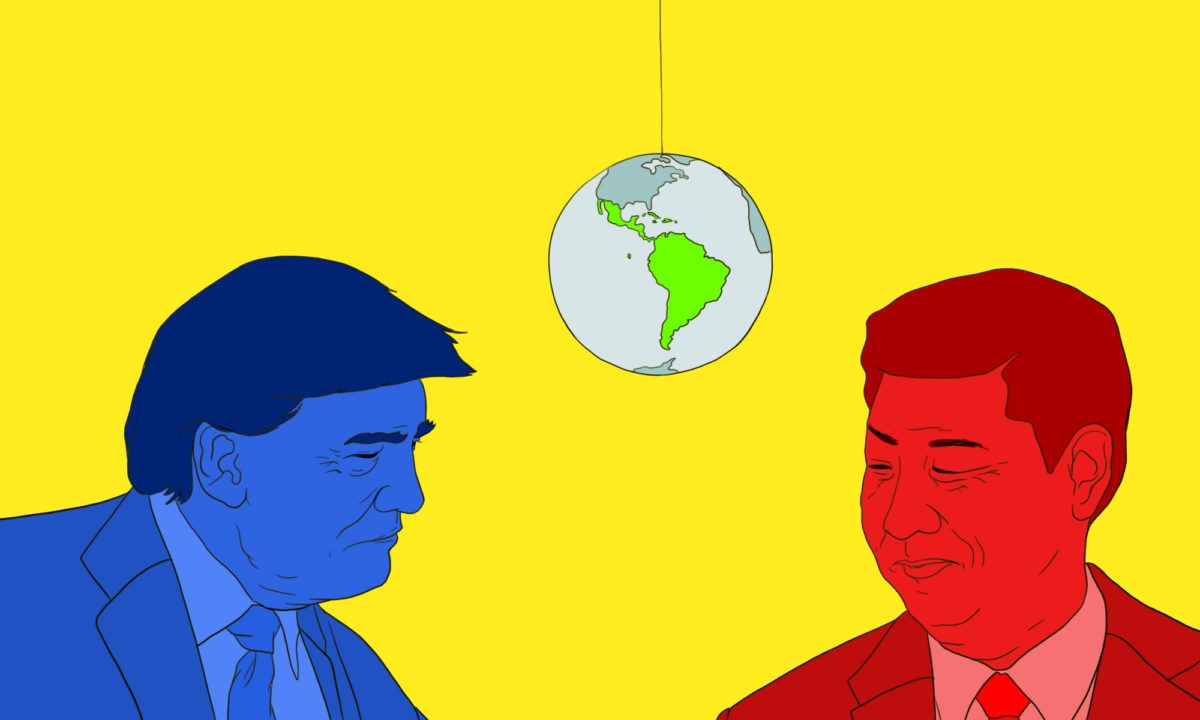
The roots of all FIMI activities mentioned above lie in Russia and its geopolitical interests. But not only Moscow uses principles of information manipulation and interference to achieve goals. For example, in one of the EU External Action reports, published in March 2026, 540 FIMI incidents from 2025 were analysed. 29 percent of these incidents were attributed to Russia, and 6 percent to China (and 65 percent left unattributed).
It may seem that Russia primarily seeks to influence neighbouring countries using FIMI tools, especially in the Post-Soviet space, but it is not totally true. Among Russian FIMI actions, activities in Côte d'Ivoire in 2025 are notable. During the campaign, anti-Western and especially anti-French narratives were spread.
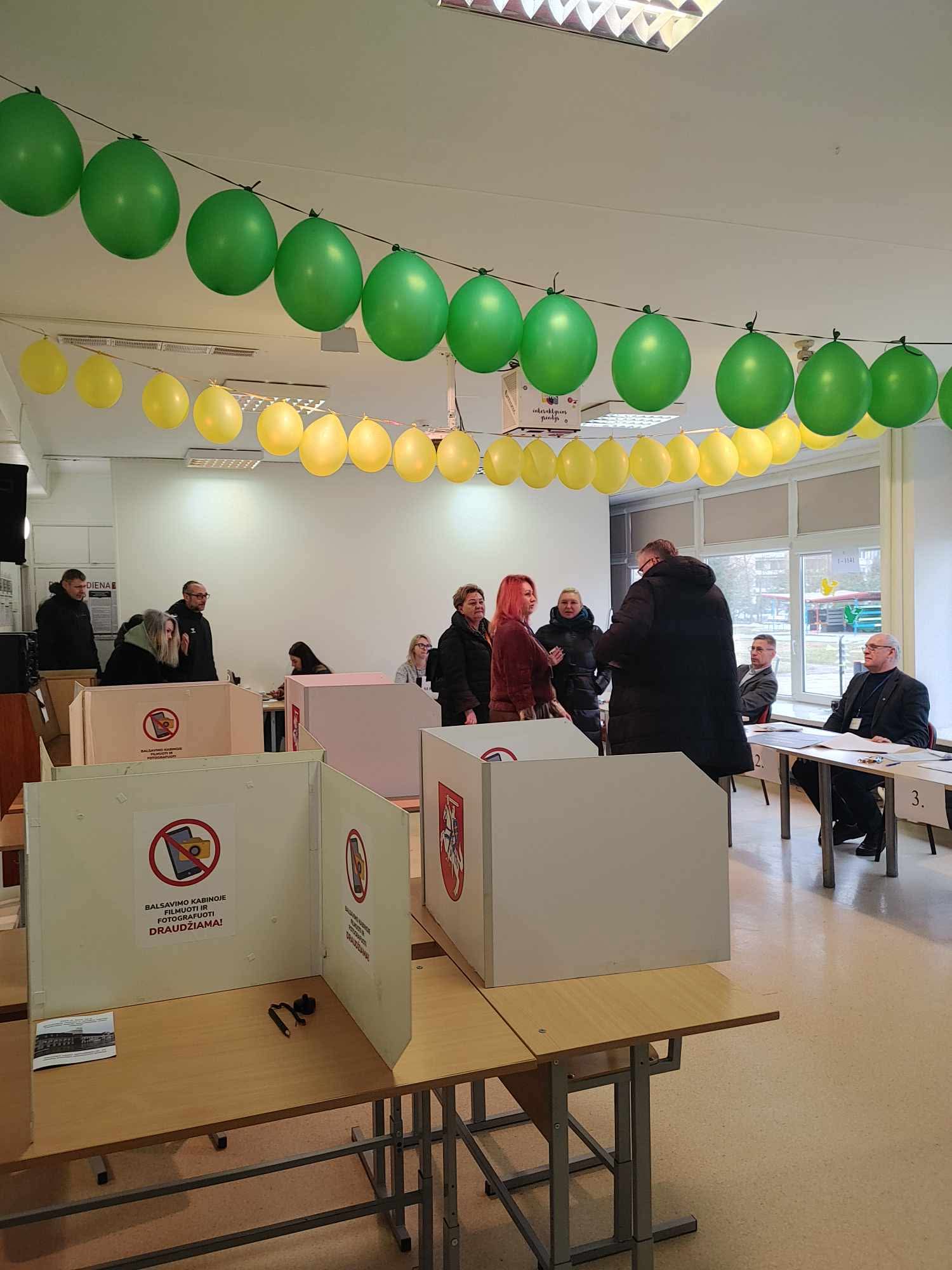
The Baltic States are quite often mentioned among countries that face special regard from Kremlin propaganda, disinformation, and other FIMI activities. At the same time, Lithuania, Latvia, and Estonia did not experience significant FIMI activities during elections. It can be seen as a kind of paradox.
The main prediction can be that Russia does not see the purpose of using its own sources for FIMI activities during elections in the Baltic States. There is no doubt about the vector of geopolitical integration in the societies of Lithuania, Latvia, and Estonia. The Baltic States have been members of the European Union and NATO since 2004. All three countries, in general, are eurooptimistic.
Plausible that Russia does not see any political power in the Baltic States that it can support. It does not mean that Lithuania, Latvia, and Estonia have no populist or radical parties. At the same time, a clear pro-Russian position is politically deadly for any political power in the Baltic States. Painful historical experience of relations with Moscow and a clear vision about the Russian war against Ukraine left no chances for the popularity of the narrative about "friendship with Russia".
Also, it should be kept in mind that the Baltic States are small countries. In general, Russia may view the roles of Lithuania, Latvia, and Estonia in European policy as insignificant. From this point of view, it is more purposeful to concentrate attempts and try to influence elections in the EU flagships (Germany, France) than in the Baltic States.
Russia (and other authoritarian countries) are looking to FIMI as a strategic source. They try to use it wisely and not waste it. It explains why not all Western and/or Post-Soviet countries are facing FIMI activities during elections (but can face it in another context).
The purpose of Foreign Information Manipulation and Interference during elections is to disbalance the whole democratic system. The goal is to raise doubts about whether the system works properly and whether the election results are fair.
At the same time, one reason for the growing "popularity" of FIMI activities during elections is the strengthening of populist and radical political forces in the Western World. Yesterday's political outsiders have become part of the political mainstream today. It is a challenge for democratic political systems, but you can do nothing here. People vote for such political powers, and democracy should respect this choice. On the other hand, Russia and other FIMI-lovers see an opportunity here. Strong populist and radical political powers transform the democratic political system into a more turbulent, polarised, and less predictable one.
There aren't many tools that can be used against FIMI during elections, but some main principles for defence should be mentioned: