Category

Skeleton article title placeholder text spanning two or three lines while the content loads from the CMS


Today, I am speaking with Pedro Antonio de Mendonca, a Venezuelan journalist who works in communications for María Corina Machado's democratic movement.
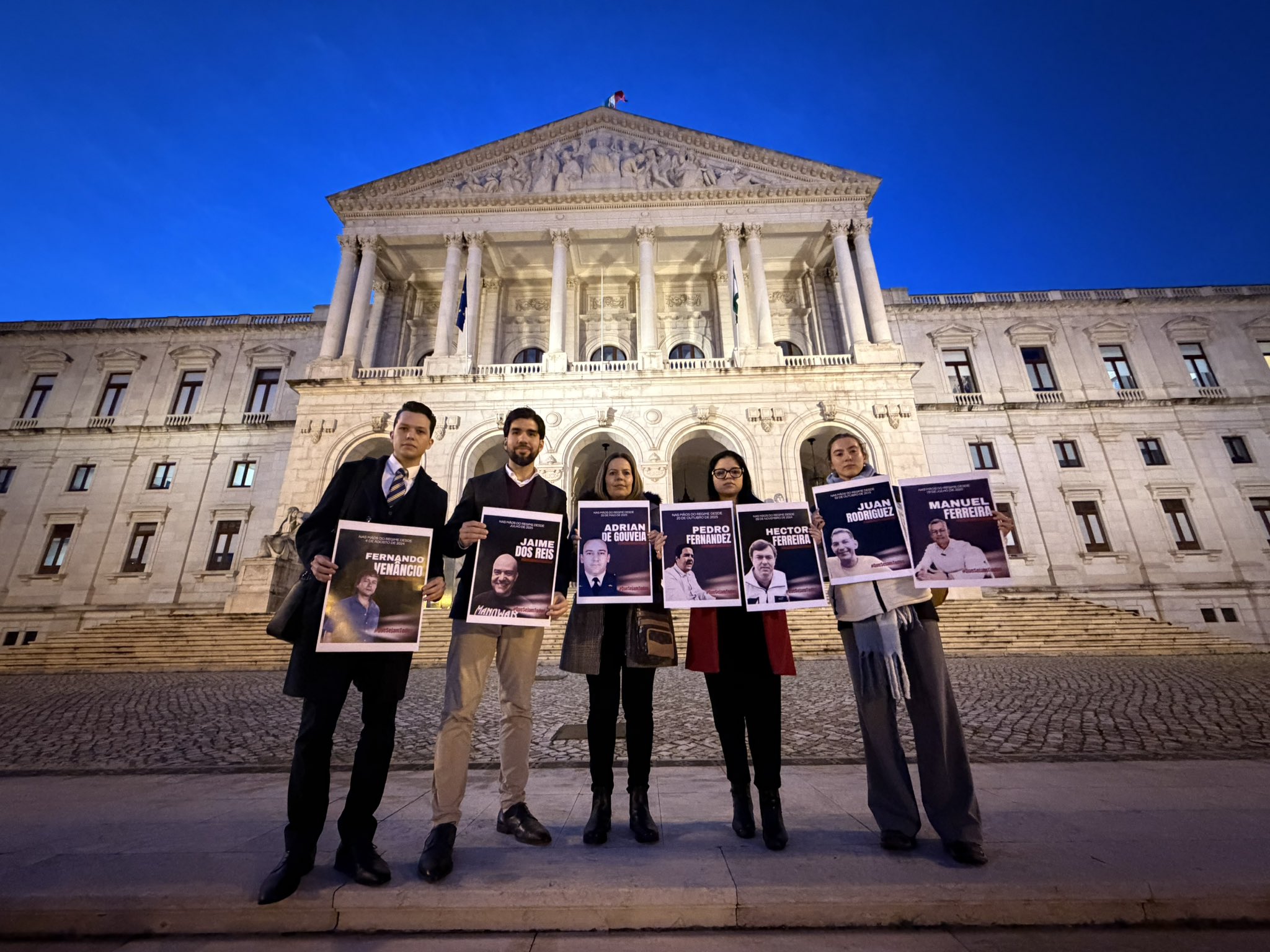
Last week, the Nobel Prizes were awarded once again. Last year, the Nobel Peace Prize went to María Corina Machado, leader of Venezuela's democratic opposition, in recognition of her efforts to build a peaceful movement aimed at restoring democracy in Venezuela.
Today, I am speaking with Pedro Antonio de Mendonca, a Venezuelan journalist who works in communications for this movement.
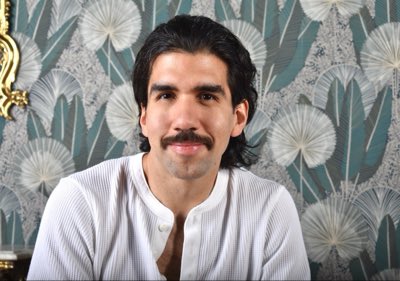
I have been part of this movement since November 2013. It all began when I joined María Corina Machado's media team as a journalist. I had always wanted to work in politics or at the intersection of politics and public life because I believed it was the best way to be close to meaningful change. I came to understand that the Venezuelan people's struggle for freedom was being led by this movement. I decided to join because my own values aligned with those of María Corina Machado.
In 2017, I began working as a political coordinator in my home state of Guárico. This state is particularly significant because, from the very beginning of Chavismo, it was considered one of the regime's strongholds, with a large proportion of the population supporting Chavismo.
Yet Guárico has also come to symbolise Venezuela's transformation. In the 2024 elections, the opposition won a mandate here for the first time in 27 years. This demonstrates that a region once regarded as one of the regime's strongholds is no longer a place where people can simply be compelled to obey and accept oppression, without the freedom to grow, develop and fulfil their potential.
Guárico is also a relatively remote state. The fact that our movement has reached people even here shows me that María Corina Machado's message and ideas are reaching every corner of Venezuela and resonating with people from all walks of life.
I believe the world was first struck by the brutality and aggression with which the Maduro regime sought to suppress our movement, despite the fact that our movement is entirely peaceful. We have always emphasised that commitment to non-violence.
The regime's objective has been to make Venezuelans hate and distrust one another. We have done the opposite: through peaceful means, we have brought the country together.
It is important to remember that we chose to confront this regime through elections, not through armed confrontation in the streets. We mobilised hundreds of thousands of volunteers who played a crucial role in safeguarding the electoral process. If I may put it this way, they functioned almost like an intelligence network, gathering and verifying information to help protect the integrity of the vote.
I believe this is precisely what the international community and the Nobel Committee recognised. We have always grounded our struggle for freedom in peace and in the principle that we must treat one another with dignity and love.
Today, I believe Venezuela can serve as an example to the world of what a struggle for freedom based entirely on peaceful principles can look like.
The fundamental principle, the very foundation of everything we do, is trust. We must trust our people.
The vast majority of Venezuelans — perhaps 90 per cent of the population — want change and are fighting for it. They need change simply to survive, because the regime has created a system in which even meeting basic needs has become a struggle. People are fighting not only for political freedom but also for the ability to live with dignity.
During the elections two years ago, our movement mobilised approximately 600,000 volunteers, both inside Venezuela and throughout the diaspora, which is arguably one of the largest diasporas in the world. The key to bringing together people from virtually every social background and profession is that we have given them something the regime seeks to deny them: trust and freedom.
We trust every Venezuelan and give each person the freedom to take responsibility — not only for themselves and their families, but ultimately for the future of their country. We are now working to ensure that a date for new, free elections is announced as soon as possible.
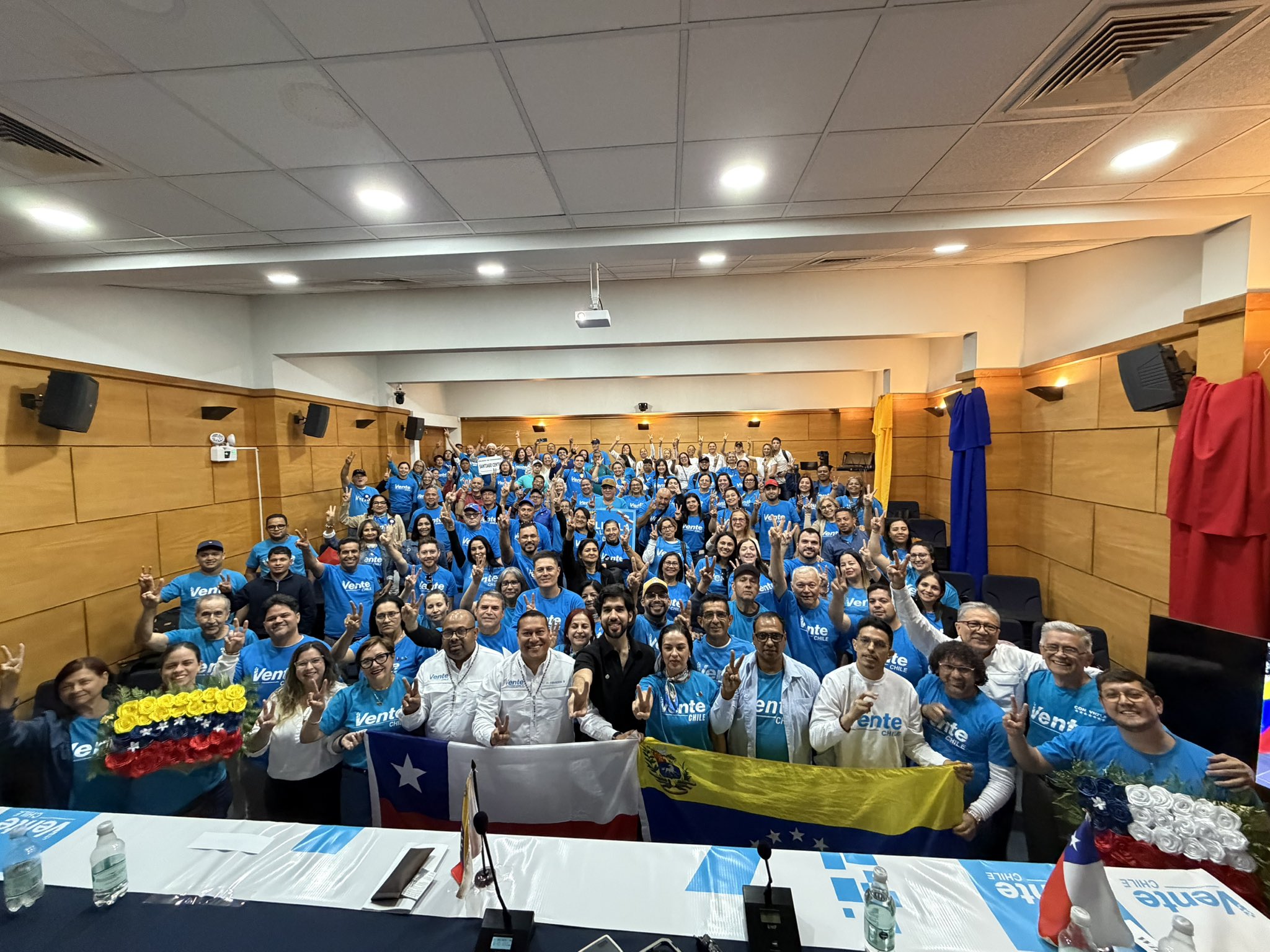
Every Venezuelan living abroad is one of our best ambassadors. They left because they suffered under the regime and experienced the reality of Chavismo firsthand. The unity of our people, whether they live inside Venezuela or abroad, is not about who they are as individuals. It is about the principles and values we share.
For example, I am a Catholic and a professional in my field, but I share the same principles and values as an elderly woman living in a remote part of the country. Our backgrounds may be different, but we want the same things: freedom and peace for Venezuela. That is precisely why I believe we are closer to freedom today than ever before.
When María Corina travelled across the country, she would ask people a simple question: "Who will defend your vote?" People might initially suggest that political parties or other institutions were responsible. But Venezuelans consistently answered that they themselves would defend — and continue to defend — their votes.This demonstrates the level of civic awareness among our people.
Of course, this requires education and preparation. That is why, two years ago, María Corina and her team organised educational meetings throughout the country, helping people understand the electoral process and prepare to participate effectively. People have been trained and are ready for new, free elections. However, no date has been announced yet. That announcement could come at any moment.
Any negotiations that leave the Venezuelan people out of the process will lack genuine legitimacy and will have neither the authority nor the sustainability needed to produce lasting results. I believe the United States understands this.
It is clear that the US administration has been pursuing its own interests. Equally, Delcy Rodríguez is pursuing her own interests. We are also pursuing our interests — but ours are fundamentally different because they concern the Venezuelan people and the future of our country.
Any agreements between the United States and Delcy Rodríguez that fail to advance democratic reforms in Venezuela will lack legitimacy. The interests of the Venezuelan people and those of the United States are, in fact, aligned. Both President Donald Trump and Secretary of State Marco Rubio understand this.
The interests of the Venezuelan people and those of the United States are, in fact, aligned.