

Does current US administration still pursue the plan to break or essentially alter the alliance of Russia and China? If such plan exists, it is unrealistic and impossible to implement and the US administration starts to realize it.
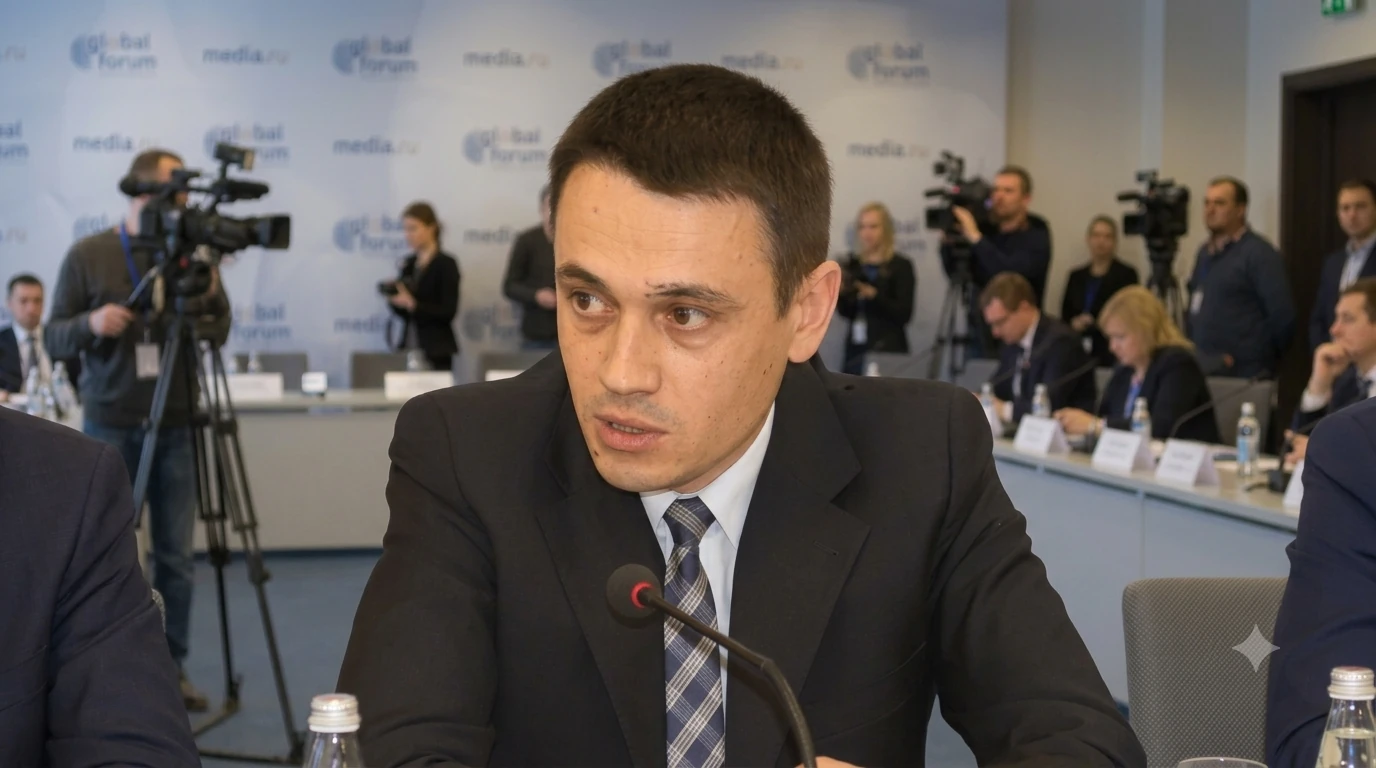
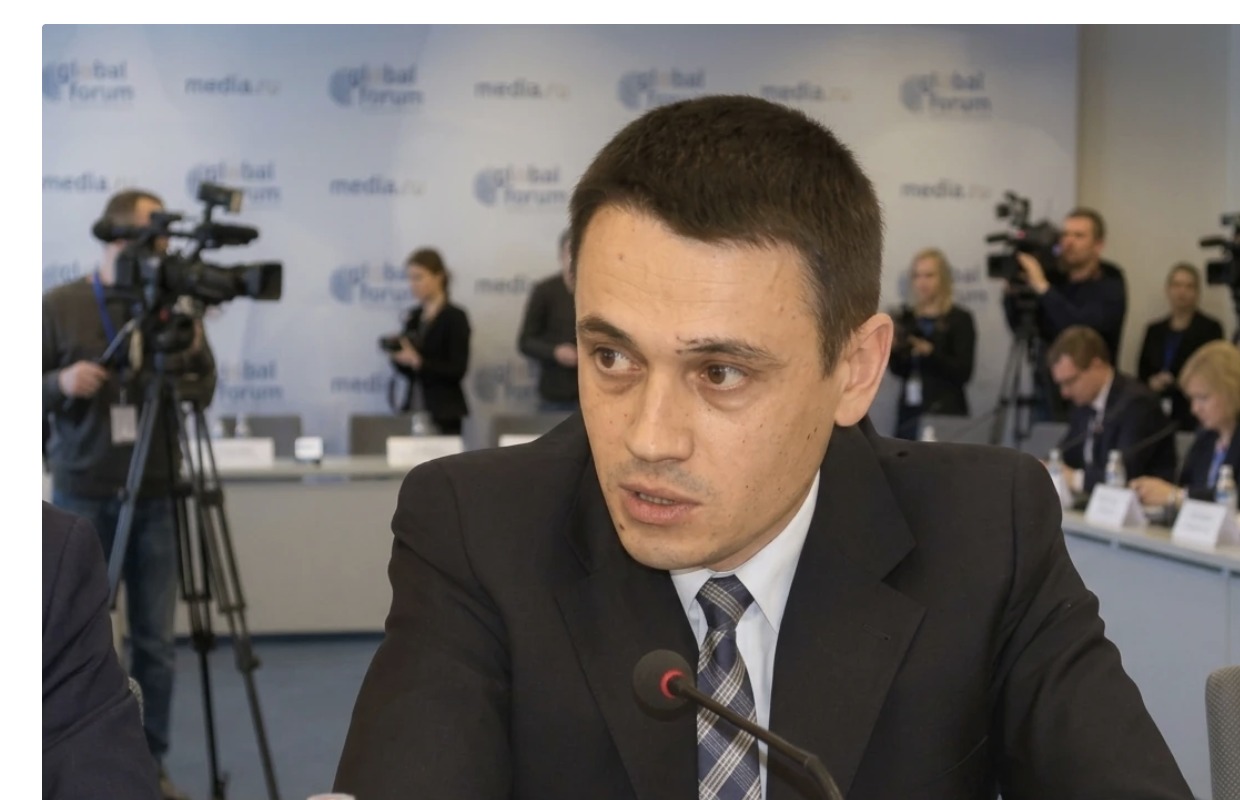
This is the take of Yurii Poita, head of Indo-Pacific section of the Center for Army, Conversion and Disarmament studies in Ukraine. The main argument of the expert – the alliance of two authoritarian regimes is strategic and existential for both, uniting them in the main quest – destruction of the West, as the main global geopolitical subject and its world order.
According Y.Poita, the ultimate way of reaching this goal and climax of this quest – simultaneous attack of the regimes on two fronts – against NATO in Europe and against Taiwan, backed by US.
In the interview to “Arch Frontline" Y.Poita also assesses current dynamics of US-China relations, the view of both have on each other, possibility of China full scale war with Taiwan, place of Russia in this balance of powers.
Both sides agreed to stabilize their relations at their current level and refrain from escalating tensions. The US will maintain its "tariff truce," while China will not introduce restrictions on exporting rare earth materials to the US.
The current objective for both sides is simply to buy time. China is working to ensure its own technological and industrial self-sufficiency, although Western technologies remain important to its progress. The US, for its part, is trying to reduce its dependence on Chinese rare earth metals.
Throughout this process, Beijing believes that time is on its side, operating under the philosophy that "the West is declining, and the East is rising" and that " changes unseen in a century are taking place." Consequently, China views this trade truce as a victory and proof that it is successfully managing US pressure. Furthermore, China's refusal to help unblock the Strait of Hormuz, combined with its continued technological and economic assistance to Russia, clearly signals its resilience against external pressure.
Yes, certain steps were taken. Trump spoke with great respect about Xi Jinping's leadership, and China promised to purchase more goods from the US. Additionally, through informal communication channels, China pledged not to exert military pressure on Taiwan, at least until Xi Jinping's planned visit to the US in the fall of 2026.
With that said, there were no significant structural changes. The US did not alter its policy toward Taiwan as Beijing had hoped, and China is not abandoning the industrial, export-oriented economic policy that drives a colossal trade imbalance in its favor. Beijing is simply continuing to draw the US into prolonged negotiations. While these talks sound positive and occasionally yield limited agreements designed to buy time, they effectively postpone the resolution of major structural problems.
Both countries clearly understand their leverage over one another. Washington can exploit China's dependence on the US market. At the same time, over the past decade, China has created and strengthened mirror instruments of influence. These include the massive US dependence on Chinese rare earth metals, China's ability to bypass sanctions, its increasing self-sufficiency, and its capacity to covertly export goods to the US through third countries.
Even the situation in the Strait of Hormuz did not disrupt China's economy because Beijing has built up significant energy reserves and diversified its energy mix by increasing the share of green energy. These measures reduced China's vulnerability to Middle Eastern crises and limited Washington's leverage.
Nevertheless, despite the current "truce," both sides view each other as rivals and potential military adversaries. Therefore, both countries are preparing for a long-term confrontation, which includes a potential military conflict over Taiwan.
No, that is not the case. Granted, some observers view Trump's statements condemning Taiwan's independence, asserting that the US does not need a conflict over the island, and reviewing arms supplies as signs of a course correction.
At the same time, analyzing the US legislative framework, official statements, and the dynamics of weapons deliveries reveals that the US legislature has not altered its approach to Taiwan and China. The Taiwan Relations Act, the "Six Assurances", and other foundational documents remain firmly in force. There have been historical delays in weapons deliveries, usually corresponding with temporary thaws in US-China relations.
Currently, the US remains virtually the only military-technical partner for Taiwan. Although Europe states its support rhetorically, it is hesitant to send weapons to the island. Regarding the condemnation of Taiwan's independence, that is nothing something new; the US has always opposed it. The concept of "Strategic Ambiguity," in place since 1979, is built precisely on warning China against an invasion while deterring Taiwan from declaring independence.
The core issue is that defending Taiwan has been a purely political decision since 1979. Whether the strategic calculations of the US have fundamentally changed is currently unknown. Ultimately, the final decision will be made based on the immediate circumstances prior to a potential invasion. For now, that moment has not arrived.
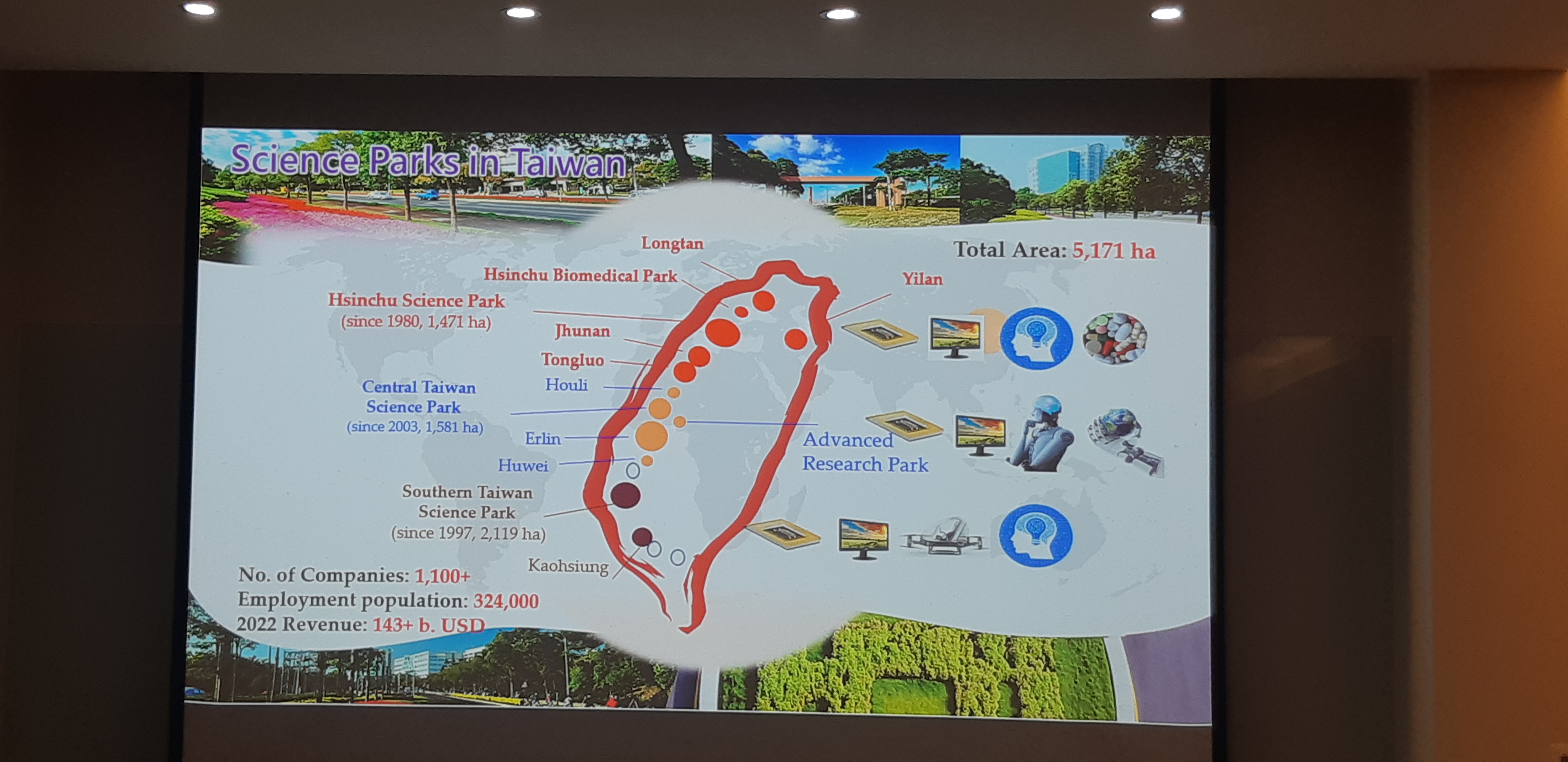
Military experts currently assess that China lacks the capability to conduct a successful joint operation against Taiwan due to technical and operational constraints. These include an insufficient number of warships, untrained personnel, and, most importantly, the inability of the People's Liberation Army (PLA) to operate cohesively across sea, air, and land simultaneously. This capacity for joint operations is something China has not yet mastered.
Another serious current problem is the "decapitation" of China's top military leadership due to ongoing purges in the armed forces. As a result, dozens of generals and admirals are currently under investigation or have already been convicted.
Not exactly, because the PLA is actively preparing and practicing all options. This includes a blockade, cutting off external reinforcing forces, missile and air strikes, and amphibious landing operations. At the moment, they already possess regional advantages over US forces in specific areas, such as the sheer number of deployed ships, missiles, and aircraft, alongside superior local logistics and manufacturing capabilities.
Various timelines are cited for the PLA achieving full readiness, ranging from 2027 to the 2030s, though it is very likely the necessary capabilities will be established by 2030. However, Beijing's decision to launch an operation will depend not only on military readiness but also on external political factors, such as the political situation inside Taiwan itself. If a Kuomintang representative comes to power and begins integration with the mainland, a military scenario would become completely unnecessary.
At the moment, no significant progress regarding the implementation of the "Nixon 2.0 Model" is being observed. China and Russia have not weakened their cooperation, and the Trump administration's efforts in this direction have yielded no results.
There are a number of reasons for this, the main one being the long-term and strategic nature of the Russian-Chinese partnership. Its intensification began well before Trump came to power, and it is aimed at changing the world order and undermining Western dominance under the pretext of "forming a fair multipolar world." Many signs point to such ambitions from both states, and the talking points that "the West is declining, and the East is rising" and "China, together with Russia, are driving world changes unseen in a century" are articulated at the highest political level.
Washington has now realized that it will impossible to completely break this relationship apart. However, the current administration's position is that even if it is impossible to drive a wedge between them, it can at least try to slightly weaken the connection. For example, if China begins an operation against Taiwan, it would be a significant achievement for the US if Russia takes a neutral stance instead of providing military assistance to China. It is impossible to predict whether this can be achieved, but the US—by making certain concessions to Russia—is trying to create conditions for such "Russian neutrality in a Taiwan crisis" in the future.
The issue is that for of a Chinese operation against Taiwan to be successful, Beijing needs to cut off the intervention of "third forces"—namely, Western countries. This can be achieved by destabilizing the security situation in other regions of the world, thereby distracting and stretching the military, economic, industrial, and human resources of the West.
This role of specifically creating a military threat to Europe can be fulfilled by Russia. And currently, it is clear that China is investing in Russian military capabilities and its defense-industrial complex, which in the future could achieve the capacity to attack NATO countries. This concept is called the "Theory of the Interconnectedness of Two Theaters—the European and the Indo-Pacific," and it is currently being actively discussed in the political circles of Europe, the US, and China.